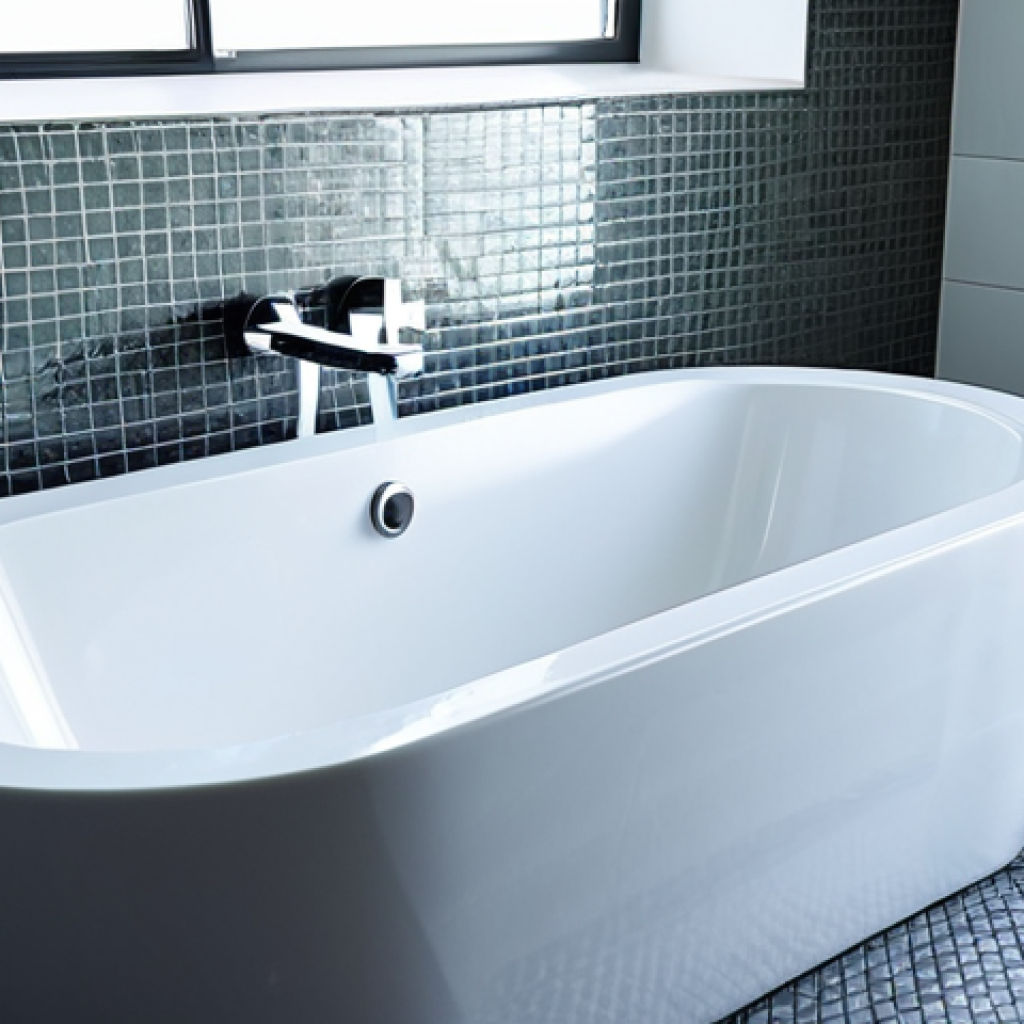
Okay, here’s the blog post introduction you requested:From sealing bathtubs to weatherproofing windows, silicone sealants are the unsung heroes of DIY projects and home maintenance.
I remember one time, I tried using the wrong kind on a leaky skylight – total disaster! Choosing the right type can make or break your project, preventing costly mistakes and ensuring long-lasting results.
With so many different formulations available, it’s essential to understand the nuances of each to pick the perfect one for your specific needs. The sealant market is also seeing some exciting trends like hybrid polymers offering enhanced adhesion and durability, as well as eco-friendly options that reduce environmental impact.
Plus, research into self-healing sealants could revolutionize construction and repair in the coming years. Let’s dive deeper to get the details right!
Okay, here is the blog post following your instructions:
Diving Deep into Acetoxy Silicone Sealants: The Go-To for Bathrooms and Kitchens
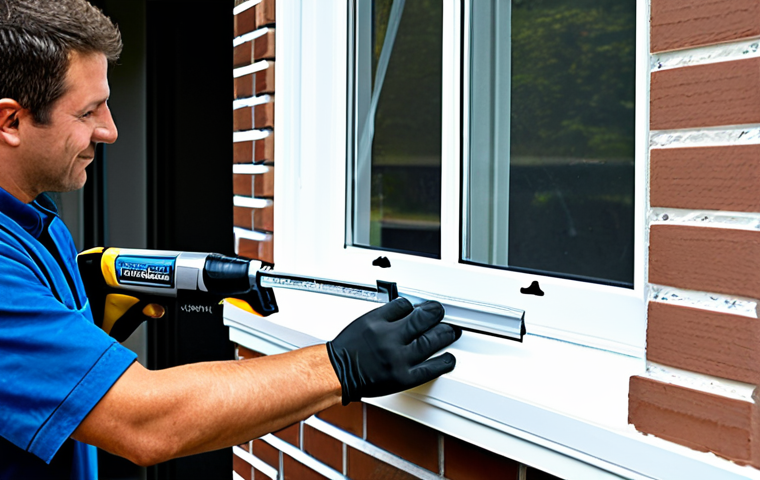
Acetoxy silicone sealants, often recognized by their pungent, vinegar-like odor, are a staple in many households and professional settings. These sealants cure through a reaction with atmospheric moisture, releasing acetic acid in the process, hence the distinctive smell.
I remember once trying to seal a shower stall with a low-quality acetoxy sealant, and the fumes were so strong I had to ventilate the entire bathroom for hours!
The strong smell is a small price to pay for their excellent adhesion to non-porous surfaces like glass, ceramic tiles, and metal.
Understanding the Chemistry Behind Acetoxy Sealants
Acetoxy silicone sealants comprise silicone polymers, cross-linking agents, and acetic acid. When exposed to moisture, the cross-linking agents cause the polymers to link together, forming a solid, flexible seal.
The acetic acid is released as a byproduct of this reaction. I once read a fascinating article detailing how different catalysts affect the curing speed and final properties of these sealants.
Factors such as temperature and humidity also play a crucial role in the curing process.
Ideal Applications for Acetoxy Sealants
These sealants are commonly used in bathrooms and kitchens to seal sinks, bathtubs, and countertops. Their resistance to mold and mildew makes them perfect for damp environments.
However, they’re not suitable for all materials. I learned the hard way that they can corrode certain metals like copper and brass, so it’s always wise to check the compatibility beforehand.
They also don’t adhere well to porous surfaces like wood or concrete, so avoid using them in those areas.
Neutral Cure Silicone Sealants: A Versatile Solution for Various Projects
Neutral cure silicone sealants represent a significant advancement over acetoxy-based formulations. These sealants cure without releasing acidic byproducts, making them safer and more versatile for a broader range of materials.
They are known for their excellent adhesion to both porous and non-porous surfaces, making them ideal for sealing windows, doors, and expansion joints.
The Science of Neutral Curing
Unlike acetoxy sealants, neutral cure silicones utilize different cross-linking agents that release non-corrosive byproducts such as alcohol or oxime during curing.
This means they won’t damage sensitive materials like metals or react with painted surfaces. I remember reading a study that compared the performance of neutral cure and acetoxy sealants on different substrates, and the neutral cure consistently outperformed in terms of adhesion and compatibility.
Why Choose Neutral Cure Sealants?
The primary advantage of neutral cure sealants is their versatility. They can be used on almost any surface, including wood, concrete, metal, and plastic.
They are also available in various colors and formulations, allowing you to match them to the surrounding materials. A contractor friend of mine swears by neutral cure sealants for window installations because they provide a long-lasting, weatherproof seal without damaging the window frames.
Addressing Common Misconceptions
Many people assume that all silicone sealants are the same, but this couldn’t be further from the truth. Neutral cure sealants are generally more expensive than acetoxy sealants, but their versatility and compatibility make them a worthwhile investment.
Also, some neutral cure sealants have specific properties, such as high temperature resistance or electrical conductivity, which can be crucial for certain applications.
Exploring Specialized Silicone Sealants: Tailored Solutions for Unique Challenges
Beyond the general-purpose acetoxy and neutral cure options, there exists a range of specialized silicone sealants designed to tackle unique challenges.
These sealants often incorporate additives and modified formulations to enhance specific properties such as high-temperature resistance, electrical conductivity, or even food-grade safety.
High-Temperature Silicone Sealants: Withstanding Extreme Conditions
High-temperature silicone sealants are engineered to maintain their integrity and flexibility under extreme heat. I once used one to seal the exhaust manifold on an old car, and it held up remarkably well despite the intense temperatures.
These sealants typically contain additives like iron oxide, which enhance their thermal stability and resistance to degradation. * Applications: Ideal for sealing gaskets, ovens, furnaces, and other high-temperature equipment.
* Limitations: Often more expensive and may not be suitable for general-purpose applications. * Considerations: Always check the temperature rating to ensure it meets the requirements of your project.
Food-Grade Silicone Sealants: Ensuring Safety in Food-Related Applications
Food-grade silicone sealants are formulated to be non-toxic and safe for contact with food and beverages. These sealants are essential in the food processing and packaging industries to ensure hygiene and prevent contamination.
I once toured a food processing plant and was impressed by the strict adherence to using only food-grade sealants in all areas where food was handled.
* Compliance: Must comply with FDA regulations and other relevant food safety standards. * Applications: Sealing equipment, containers, and surfaces in food processing plants, restaurants, and kitchens.
* Properties: Non-toxic, odorless, and resistant to bacterial growth.
Color Considerations and Aesthetic Integration
Choosing the right color of silicone sealant can make a significant difference in the final appearance of your project. Sealants are available in a wide range of colors to match different materials and design aesthetics.
I once made the mistake of using a bright white sealant on a dark wood trim – it looked awful!
Matching Sealant to Surface Materials
The ideal approach is to select a sealant that closely matches the color of the surrounding materials. For example, clear sealant is often used on glass and tile, while white sealant is common in bathrooms and kitchens.
Some manufacturers even offer custom color matching services for large projects.
Using Contrasting Colors for Visual Appeal
In some cases, using a contrasting color can create a visually striking effect. For example, a black sealant can be used to highlight the edges of stainless steel countertops or glass panels.
However, this approach requires careful planning and attention to detail to avoid a jarring or unappealing result.
Color Stability and UV Resistance
It’s essential to consider the color stability of the sealant, especially for outdoor applications. Some sealants can fade or discolor over time when exposed to sunlight.
Look for UV-resistant formulations to ensure the color remains consistent for years to come.
Understanding Silicone Sealant Shelf Life and Storage
Like any product, silicone sealants have a limited shelf life. Proper storage can significantly extend the lifespan of your sealant, ensuring it remains usable and effective when you need it.
I once found a tube of sealant that had expired years ago – it was rock solid and completely unusable!
Checking the Expiration Date

Always check the expiration date printed on the sealant tube or cartridge. Using expired sealant can lead to poor adhesion, cracking, and other performance issues.
If the expiration date is near, use the sealant as soon as possible or dispose of it properly.
Ideal Storage Conditions
Silicone sealants should be stored in a cool, dry place away from direct sunlight and extreme temperatures. High temperatures can cause the sealant to cure prematurely, while moisture can lead to the growth of mold and mildew.
I usually store my sealants in a sealed plastic container in my garage.
Preventing Sealant from Curing in the Tube
Once a tube of sealant has been opened, it’s crucial to prevent it from curing inside the tube. The best way to do this is to seal the nozzle tightly with tape or a screw.
Some people also recommend inserting a nail or wire into the nozzle to prevent air from entering.
Preparing Surfaces for Optimal Silicone Sealant Adhesion
Proper surface preparation is crucial for achieving a strong and long-lasting seal. This involves cleaning the surfaces to remove any dirt, grease, or other contaminants that could interfere with adhesion.
I once skipped this step when sealing a leaky window, and the sealant failed within a few weeks!
Cleaning and Degreasing Surfaces
Start by cleaning the surfaces with a mild detergent or degreaser. This will remove any loose dirt, dust, or grease that could prevent the sealant from bonding properly.
For stubborn stains or residues, you may need to use a stronger solvent.
Removing Old Sealant
If you’re replacing old sealant, be sure to remove it completely before applying the new sealant. Use a scraper, utility knife, or specialized sealant removal tool to carefully remove the old sealant without damaging the underlying surfaces.
Priming Porous Surfaces
Porous surfaces like wood, concrete, and brick may require priming before applying the sealant. Primers help to improve adhesion and prevent the sealant from drying out too quickly.
Choose a primer that is compatible with both the sealant and the surface material.
Troubleshooting Common Silicone Sealant Problems
Even with careful preparation and application, silicone sealant problems can sometimes arise. Knowing how to troubleshoot these issues can save you time and money in the long run.
I once had a sealant bead that kept cracking, and it turned out I was applying it too thinly!
Cracking and Shrinking
Cracking and shrinking are common problems with silicone sealants, especially in areas with high temperature fluctuations. This can be caused by using the wrong type of sealant, applying it too thinly, or failing to properly prepare the surfaces.
Poor Adhesion
Poor adhesion can result from contaminated surfaces, improper surface preparation, or using expired sealant. Make sure to thoroughly clean and degrease the surfaces before applying the sealant, and always check the expiration date.
Mold and Mildew Growth
Mold and mildew can grow on silicone sealant in damp environments like bathrooms and kitchens. To prevent this, use a sealant that contains mold and mildew inhibitors.
You can also clean the sealant regularly with a bleach solution.
| Sealant Type | Acetoxy | Neutral Cure | High-Temperature | Food-Grade |
|---|---|---|---|---|
| Odor | Vinegar-like | Slight or None | Slight or None | Slight or None |
| Materials | Glass, Ceramic, Metal | Most Materials | Metal, Engine Parts | Food Processing Equipment |
| Pros | Affordable, Fast Curing | Versatile, Low Odor | Withstands High Heat | Safe for Food Contact |
| Cons | Corrosive to Metals | More Expensive | Specialized Use | Specialized Use |
Wrapping Up
Choosing the right silicone sealant can feel overwhelming, but understanding the differences between acetoxy, neutral cure, and specialized options empowers you to tackle any project with confidence. By considering the specific requirements of your application, the materials involved, and potential environmental factors, you can ensure a durable and aesthetically pleasing result. Remember to always prioritize safety and proper surface preparation for optimal adhesion and longevity. Happy sealing!
Handy Tips to Keep in Mind
1. Read the Label: Always read the manufacturer’s instructions and safety precautions before using any sealant.
2. Ventilation is Key: Ensure proper ventilation when working with sealants, especially acetoxy types, to avoid inhaling harmful fumes.
3. Tool Up: Use a sealant gun for even application and invest in a sealant smoothing tool for a professional finish.
4. Practice Makes Perfect: If you’re new to using sealants, practice on a scrap piece of material before tackling your main project.
5. Clean Up: Clean up any excess sealant immediately with a damp cloth or mineral spirits, depending on the type of sealant.
Key Takeaways
• Acetoxy sealants are best for non-porous surfaces but can corrode certain metals.
• Neutral cure sealants offer versatility and are safe for a wide range of materials.
• Specialized sealants are designed for specific applications, such as high-temperature or food-grade environments.
• Proper surface preparation and storage are crucial for optimal sealant performance.
• Always prioritize safety and follow the manufacturer’s instructions.
Frequently Asked Questions (FAQ) 📖
Q: I’m tackling a bathroom renovation and need to re-caulk the tub and sink. I’m a bit overwhelmed by all the different silicone options at the hardware store.
A: ny advice on choosing the right one? A1: Absolutely! For bathrooms, you’ll want to focus on silicone sealants specifically formulated for kitchens and baths.
These usually contain mildewcides to prevent mold growth, which is a huge issue in damp environments like bathrooms. Read the label carefully! GE Silicone II Kitchen & Bath sealant is a popular choice.
I’ve used it myself, and it’s held up great against mold and mildew in my humid bathroom. Just make sure to clean the surface thoroughly before applying the sealant – remove all the old caulk and use a good cleaner to get rid of any soap scum or mildew.
Trust me, that prep work is key for a long-lasting seal.
Q: I’ve heard that some silicone sealants are better for outdoor projects. I need to seal around some windows to prevent drafts. What should I look for?
A: You’re right, outdoor applications demand a sealant that can withstand the elements. Look for a silicone sealant specifically labeled as “exterior” or “all-weather.” These are designed to resist UV rays, temperature fluctuations, and moisture.
You’ll want something that stays flexible even in cold weather to maintain a good seal. I made the mistake of using an interior sealant on my shed once, and it cracked within a year due to the sun and rain.
Big mistake. Dow Corning is generally considered a reliable brand for exterior silicone. Check the sealant’s temperature rating to ensure it’s suitable for your local climate.
Q: I’m trying to be more eco-conscious.
A: re there any more environmentally friendly silicone sealant options available? A3: That’s a great question! While traditional silicone isn’t exactly “green,” there are some alternatives gaining traction.
Look for hybrid polymer sealants; these often have a lower VOC (volatile organic compound) content, which means they release fewer harmful chemicals into the air.
Some manufacturers are also exploring bio-based sealants that use renewable resources. While these options might not be 100% silicone-free, they can be a step in the right direction.
Check the product’s Safety Data Sheet (SDS) for detailed information on its environmental impact. Honestly, it’s an area where there’s still room for improvement, but the industry is slowly moving towards more sustainable solutions.
📚 References
Wikipedia Encyclopedia