When it comes to choosing between stainless steel and aluminum, understanding their unique properties can make all the difference. Stainless steel is known for its strength and corrosion resistance, while aluminum stands out for being lightweight and highly versatile.

These metals serve distinct purposes across industries—from construction to cookware—impacting durability and performance. Whether you’re deciding on materials for a project or just curious about their differences, knowing the key factors is essential.
Let’s dive deeper and uncover what truly sets stainless steel and aluminum apart!
Material Strength and Longevity in Everyday Use
Understanding the Durability Factor
When it comes to choosing between metals for long-term use, strength and durability often top the list. Stainless steel really shines here with its impressive tensile strength and resistance to wear and tear.
It’s no wonder you’ll find it in everything from skyscraper frameworks to surgical instruments. Aluminum, while lighter, doesn’t pack the same punch in sheer strength, but it makes up for this with its flexibility and resilience in less demanding environments.
From my experience working on home renovation projects, stainless steel fixtures tend to last much longer without showing signs of stress or damage, especially in high-traffic areas.
Corrosion Resistance and Maintenance
One of the biggest selling points of stainless steel is its corrosion resistance. This metal contains chromium, which forms a passive layer on the surface, protecting it from rust and stains.
This makes stainless steel a favorite in kitchens and outdoor applications where moisture is common. Aluminum also resists corrosion, but it does so by forming a protective oxide layer, which can be more easily scratched or worn away under harsh conditions.
In practical terms, I’ve noticed that aluminum outdoor furniture requires more frequent upkeep to maintain its appearance, while stainless steel options stay looking pristine with minimal effort.
Impact of Environmental Conditions
Environmental exposure plays a huge role in how these metals perform. Stainless steel can handle extreme temperatures and acidic or saline environments without degrading, making it ideal for marine or chemical industry uses.
Aluminum, though less robust against chemical exposure, is excellent in hot climates due to its ability to dissipate heat quickly. During a summer camping trip, I found my aluminum cookware heated up and cooled down much faster than stainless steel, which was a handy trait when cooking outdoors.
Weight and Handling: Practical Implications
Why Weight Matters in Design
One of aluminum’s standout features is its lightweight nature. Weighing about one-third as much as stainless steel, aluminum offers significant advantages where mobility and ease of handling are concerned.
This is why it’s the go-to metal for aerospace and automotive industries, where every pound counts toward fuel efficiency and performance. In everyday life, I’ve personally appreciated aluminum’s lightness when assembling camping gear or carrying tools, as it reduces fatigue noticeably.
Balancing Strength with Lightness
While aluminum is light, it doesn’t mean you have to sacrifice strength entirely. Advances in alloy technology have made aluminum stronger than ever before, often used in structural components where weight savings are critical but some strength must be retained.
However, stainless steel still outperforms aluminum when it comes to resistance against deformation and bending under heavy loads. When I built a backyard pergola, using stainless steel brackets gave me peace of mind knowing they wouldn’t warp or fail over time, even though they added a bit more weight.
Handling and Fabrication Differences
From a fabrication standpoint, aluminum is easier to cut, shape, and weld, making it a favorite for custom projects and DIY enthusiasts. Stainless steel, on the other hand, often requires specialized tools and techniques due to its hardness.
I recall spending hours on a project with stainless steel tubing, needing special blades and patience, whereas working with aluminum was noticeably smoother and faster.
This difference can impact project timelines and budgets significantly.
Thermal Conductivity and Its Effects
Heat Distribution in Cooking and Industry
Thermal conductivity is a game-changer in applications involving heat transfer, like cookware or heat exchangers. Aluminum boasts excellent thermal conductivity, meaning it heats up quickly and distributes heat evenly, which is why it’s favored for pots and pans.
Stainless steel, by contrast, has much lower conductivity, often requiring layered construction with aluminum or copper cores to improve performance. From my kitchen experiments, I noticed that aluminum pans offer more consistent cooking temperatures, reducing hotspots and burnt food.
Energy Efficiency and Cooling
The ability to conduct heat efficiently also affects energy consumption. Aluminum’s quick heat transfer can lead to faster cooking times or more efficient cooling systems in electronics and HVAC units.
Stainless steel, while not as conductive, excels in insulation properties, helping maintain temperature stability in certain environments. When I upgraded my computer cooling system, aluminum fins helped dissipate heat rapidly, keeping components cooler under load compared to stainless steel options.
Limitations in High-Heat Applications
Despite aluminum’s heat advantages, it has a lower melting point than stainless steel, which limits its use in extremely high-temperature environments.
Stainless steel’s higher melting point and resistance to thermal expansion make it better suited for industrial furnaces or engine parts. In a welding workshop I visited, stainless steel was the metal of choice for components exposed to intense heat, ensuring structural integrity and safety.
Cost Considerations and Economic Impact
Initial Investment vs. Long-Term Value
At first glance, aluminum often appears more affordable than stainless steel, especially in bulk. However, this upfront saving can be misleading when you factor in lifespan and maintenance costs.
Stainless steel’s durability often translates into fewer replacements and repairs, which can offset its higher price tag. From my experience managing home repairs, investing in stainless steel appliances has saved money over time by avoiding corrosion-related failures.
Market Price Fluctuations and Availability
Both metals are subject to price swings due to market demand, raw material sourcing, and geopolitical factors. Stainless steel prices tend to be more stable, supported by steady demand in construction and medical fields.
Aluminum prices, on the other hand, can be more volatile, influenced by energy costs and recycling rates. Tracking these trends can help businesses and hobbyists time their purchases more strategically.
Recycling and Environmental Costs
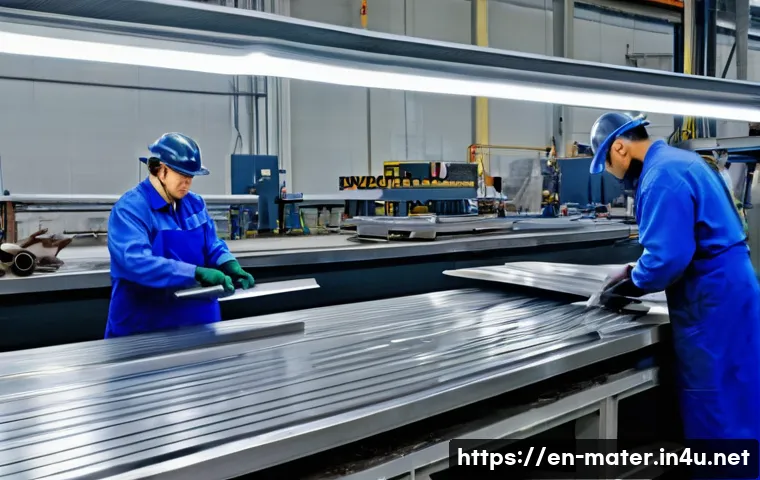
Recycling plays a significant role in cost and sustainability for both metals. Aluminum is highly recyclable and requires less energy to recycle than producing new metal, making it environmentally and economically attractive.
Stainless steel is also recyclable, but its recycling process is more energy-intensive. In my eco-conscious projects, I prefer aluminum for applications where weight and environmental impact are priorities, but stainless steel when durability and hygiene matter most.
Visual Appeal and Design Flexibility
Aesthetic Qualities and Finishes
Stainless steel’s sleek, shiny appearance is often associated with modern, high-end design. It resists fingerprints and stains, which helps maintain its polished look in kitchens and public spaces.
Aluminum, while less lustrous, can be anodized or painted in a variety of colors, offering more versatility in design options. I’ve used anodized aluminum panels in outdoor furniture to achieve vibrant colors that resist fading, something stainless steel can’t match naturally.
Customization and Surface Treatments
Both metals respond well to surface treatments but in different ways. Stainless steel can be brushed, polished, or passivated to enhance corrosion resistance and aesthetics.
Aluminum’s surface can be easily textured, coated, or anodized, allowing for a wide range of tactile and visual effects. For a recent art installation, I chose aluminum because its malleability allowed intricate shapes and colorful finishes that would have been costly to achieve with stainless steel.
Practical Design Trade-offs
Designers often balance appearance with function. Stainless steel’s weight and hardness can limit its use in intricate or lightweight structures, while aluminum’s softness can make it prone to dents or scratches if not treated properly.
When designing a lightweight backpack frame, for example, aluminum was the clear choice, but for a durable kitchen sink, stainless steel provided the perfect blend of beauty and toughness.
Comparing Core Properties at a Glance
| Property | Stainless Steel | Aluminum |
|---|---|---|
| Density | 7.75 – 8.05 g/cm³ | 2.70 g/cm³ |
| Tensile Strength | 400 – 750 MPa | 70 – 700 MPa (varies by alloy) |
| Corrosion Resistance | Excellent | Good (oxidizes naturally) |
| Thermal Conductivity | ~16 W/m·K | ~205 W/m·K |
| Melting Point | 1400 – 1450°C | 660°C |
| Typical Applications | Medical, construction, cookware | Aerospace, automotive, lightweight structures |
| Cost | Higher initial cost | Lower initial cost |
Choosing the Right Metal for Your Project
Evaluating Project Requirements
The best metal choice hinges on what your project needs most—whether that’s strength, weight, cost, or corrosion resistance. For heavy-duty applications exposed to harsh environments, stainless steel is often the safer bet.
If your project demands mobility or cost-efficiency without sacrificing too much durability, aluminum might be the smarter pick. I’ve found that clearly listing project priorities upfront helps avoid costly material mistakes later on.
Considering Long-Term Use and Maintenance
Think about how the metal will perform over years or decades. Stainless steel’s low maintenance is a huge plus for installations where upkeep is difficult or expensive.
Aluminum may require more frequent inspections and protective coatings to maintain performance and appearance, which can add hidden costs. In my experience, investing a bit more initially in stainless steel pays off in less hassle down the road.
Consulting with Experts and Testing
Whenever possible, get professional advice or test samples before committing to a material. Fabricators, engineers, or product designers can offer insights based on their experience with different alloys and treatments.
I once worked with a metals supplier who provided test pieces to evaluate, which helped me choose the right aluminum alloy for a lightweight frame that still needed to carry substantial weight safely.
Hands-on testing can reveal subtle performance differences that specs alone don’t show.
글을 마치며
Choosing between stainless steel and aluminum depends heavily on your project’s specific needs. Both metals offer unique advantages, whether it’s stainless steel’s unmatched durability or aluminum’s lightweight versatility. By understanding their properties and real-world performance, you can make a well-informed decision that balances cost, longevity, and function. Remember, the right material choice can save time, money, and effort in the long run.
알아두면 쓸모 있는 정보
1. Stainless steel’s chromium content creates a protective layer that naturally resists rust, making it ideal for moist or outdoor environments.
2. Aluminum is significantly lighter than stainless steel, which enhances portability and reduces fatigue in handheld or mobile applications.
3. Thermal conductivity varies greatly: aluminum heats up and cools down faster, perfect for cookware, while stainless steel retains heat longer for stability.
4. Although aluminum’s upfront cost is lower, its maintenance and potential for quicker wear can increase lifetime expenses compared to stainless steel.
5. When fabricating, aluminum is easier and faster to work with, but stainless steel requires special tools and patience due to its hardness.
핵심 포인트 요약
Durability and corrosion resistance make stainless steel a top choice for demanding applications requiring long-term reliability. Aluminum excels where weight savings and thermal performance are priorities, especially in portable or heat-sensitive uses. Cost considerations should include both initial purchase and maintenance over time. Finally, consulting with experts and testing materials can prevent costly mistakes and ensure your project’s success by matching metal properties to real-world demands.
Frequently Asked Questions (FAQ) 📖
Q: Which metal is better for outdoor use, stainless steel or aluminum?
A: When it comes to outdoor applications, stainless steel generally outperforms aluminum due to its superior corrosion resistance, especially in harsh environments like coastal areas where salt exposure is common.
Aluminum is lightweight and resists rust, but it can corrode over time when exposed to moisture and certain chemicals. From my experience, stainless steel items like outdoor furniture or fixtures last longer and maintain their appearance better under tough weather conditions.
Q: Is aluminum or stainless steel more cost-effective for everyday products?
A: Aluminum tends to be more cost-effective for everyday use because it’s lighter and easier to work with, which lowers manufacturing costs. For instance, I’ve noticed aluminum cookware or household items are usually priced lower than their stainless steel counterparts.
However, stainless steel might save you money in the long run due to its durability and resistance to wear and tear, so the best choice depends on how you plan to use the product.
Q: How do the weights of stainless steel and aluminum affect their applications?
A: Aluminum is significantly lighter than stainless steel, which makes it ideal for applications where weight matters, like in aerospace, automotive parts, or portable tools.
I once switched from stainless steel to aluminum components in a DIY project, and the reduced weight made handling much easier without sacrificing too much strength.
Stainless steel, while heavier, offers greater structural integrity, so it’s preferred in construction and heavy-duty uses where strength is critical.