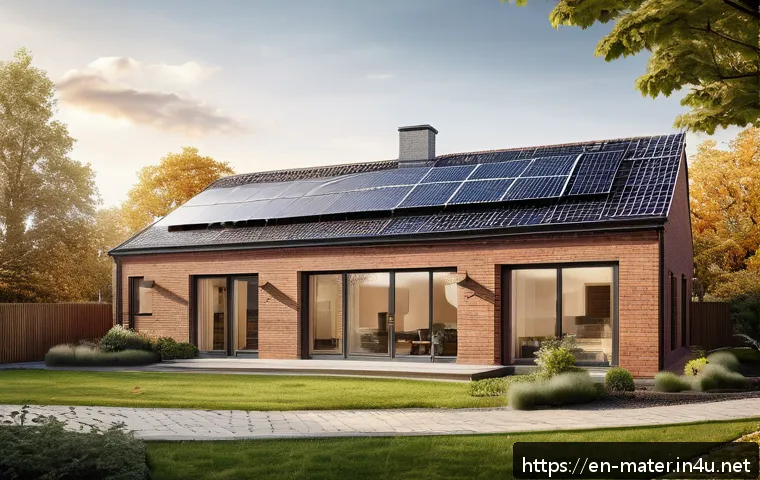
With the rising costs of home maintenance and an increased focus on energy efficiency, choosing the right roofing material has never been more crucial.
Whether you’re building a new home or upgrading an existing one, finding a balance between durability, style, and value can feel overwhelming. In today’s guide, I’ll walk you through the top roofing options that stand up to harsh weather while enhancing your home’s curb appeal.
Having tested several materials myself, I know how important it is to invest wisely in a roof that lasts. Stick around to discover expert tips and real-life insights that will help you make a confident choice for your home’s most essential shield.
Understanding Different Roofing Materials and Their Lifespan
Asphalt Shingles: The Popular Choice
Asphalt shingles dominate the residential roofing market, and for good reasons. They’re relatively affordable, easy to install, and come in a variety of colors and styles that suit most home aesthetics.
What I’ve noticed after replacing my own roof twice is that standard asphalt shingles generally last around 20 to 30 years, depending heavily on climate and maintenance.
They handle moderate weather well but may show wear sooner if you live in areas with extreme heat or heavy storms. One thing I appreciated is how accessible repairs are, which can save you a lot of hassle and money over time.
Metal Roofs: Durability Meets Modern Design
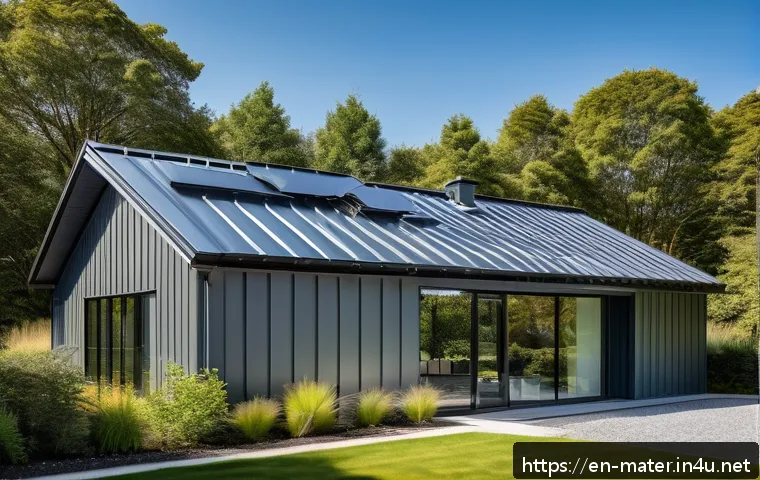
Metal roofing has surged in popularity, especially among homeowners looking for longevity and energy efficiency. From my experience working on a friend’s metal-roofed house, these roofs can easily last 40 to 70 years.
They reflect solar radiant heat, which helps reduce cooling costs during scorching summers. Plus, metal roofs are lightweight yet incredibly strong against high winds and heavy rain.
A drawback I encountered is the upfront cost, which is higher than asphalt but pays off when you consider how infrequently you’ll need to replace it.
Clay and Concrete Tiles: Timeless and Sturdy
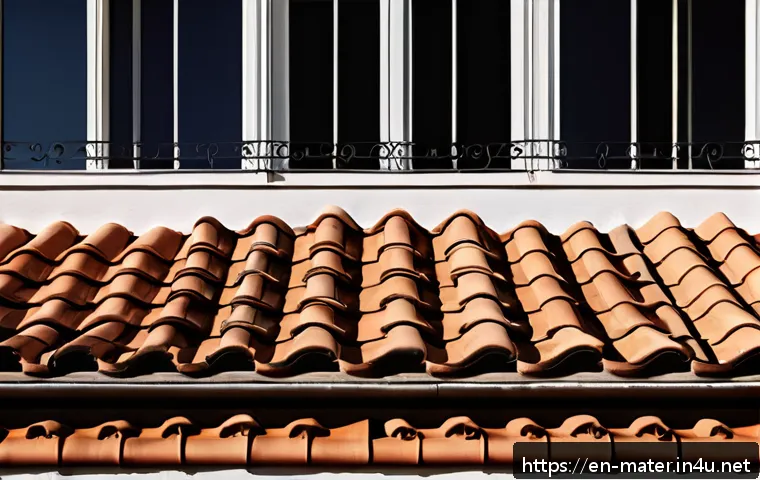
If you’re going for a classic, Mediterranean or Southwestern style, clay or concrete tiles are a fantastic option. I’ve seen neighbors’ tile roofs endure decades of weather without much fading or damage.
These materials are fire-resistant and offer excellent insulation. However, their weight means your roof structure must be able to support them, and installation is more complex and costly.
But if longevity and aesthetics are your priorities, tiles deliver unmatched curb appeal and durability.
Energy Efficiency and Environmental Impact of Roofing Options
Cool Roofs and Reflective Coatings
One of the most overlooked benefits of roofing materials is their impact on your home’s energy consumption. I once helped a family switch to a cool roof coating, which significantly lowered their air conditioning bills by reflecting more sunlight.
These coatings can be applied to various roofing materials and are especially beneficial in hot climates. Beyond saving money, they contribute to reducing urban heat islands, which is a growing environmental concern.
Sustainable Roofing Materials
As a homeowner conscious about the environment, I’ve explored options like recycled metal and composite shingles made from recycled plastics and wood fibers.
These materials minimize landfill waste and often have certifications for sustainability. While sometimes pricier upfront, they offer peace of mind knowing you’re reducing your carbon footprint.
Plus, many of these materials come with great warranties, so you’re not sacrificing durability for eco-friendliness.
Insulation and Ventilation Synergy
Choosing the right roofing material is only part of the equation. Proper insulation and ventilation underneath your roof significantly affect energy efficiency and the lifespan of the roofing material itself.
In my own home, improving attic ventilation helped prevent moisture buildup and extended the life of my shingles. It’s worth consulting with a professional to ensure your roofing system includes these critical components.
Maintenance Considerations and Cost Over Time
Routine Inspection and Repairs
No matter which roofing material you choose, regular maintenance is crucial. I’ve found that scheduling inspections at least twice a year helps catch minor issues like loose shingles or small leaks before they escalate into costly repairs.
Asphalt shingles may require more frequent attention, whereas metal or tile roofs often need less frequent upkeep but require specialized contractors when repairs are necessary.
Cost Analysis: Installation vs. Long-Term Expenses
At first glance, asphalt shingles seem like the cheapest option, but when you factor in lifespan and maintenance costs, the picture changes. Metal roofs, while expensive initially, often save money over decades due to their durability and energy efficiency.
Tile roofs fall somewhere in between with high installation costs but low maintenance. From personal experience balancing budget and quality, it’s smart to think long-term rather than just upfront costs.
DIY vs. Professional Installation
Although some roofing materials like asphalt shingles can be installed by skilled DIYers, I strongly advise hiring professionals for metal, tile, or composite roofs.
Improper installation can void warranties and lead to expensive damage. I learned this the hard way when a DIY project on my roof caused water infiltration that required professional repair.
Investing in expert installation can save you stress and money down the road.
Styling Your Roof to Complement Your Home’s Architecture
Matching Roofing Colors and Textures
Your roof is a major visual element, so selecting a color and texture that harmonizes with your home’s exterior is key. For instance, dark asphalt shingles work well with traditional homes, while metal roofs in matte or standing seam finishes suit modern designs.
When I helped a friend choose roofing, we tested color samples against their siding and landscaping to ensure the best match. This small step can boost your home’s curb appeal dramatically.
Architectural Shingles and Custom Options
For those wanting a more sophisticated look without the tile price, architectural shingles offer a textured, dimensional appearance that mimics wood or slate.
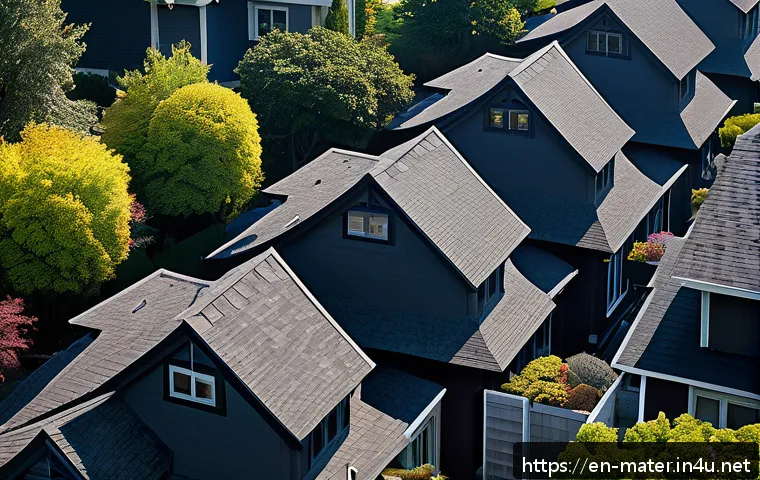
They’re a step up from basic three-tab shingles and can elevate the overall aesthetic. I’ve noticed these shingles also tend to have better warranties and resistance to wind uplift, making them a practical yet stylish choice.
Roofline and Shape Influence
The complexity of your roofline affects not only style but also cost and material suitability. Steep or multi-faceted roofs might benefit more from lightweight metal or tile to avoid structural issues.
Conversely, flat or low-slope roofs often require special materials like rubber or modified bitumen. When evaluating options, consider how your roof’s shape impacts installation complexity and long-term maintenance.
Comparing Roofing Materials: Key Features at a Glance
| Material | Average Lifespan | Cost per Square Foot | Maintenance Needs | Energy Efficiency | Installation Complexity |
|---|---|---|---|---|---|
| Asphalt Shingles | 20-30 years | $3 – $5 | Moderate | Low to Moderate | Low |
| Metal Roofing | 40-70 years | $7 – $12 | Low | High (reflective) | Moderate to High |
| Clay/Concrete Tiles | 50+ years | $10 – $18 | Low | Moderate | High |
| Composite Shingles | 30-50 years | $5 – $7 | Low to Moderate | Moderate | Moderate |
| Rubber Roofing (for flat roofs) | 20-30 years | $6 – $9 | Low | Moderate | Moderate |
Weather Resistance and Regional Suitability
Handling Extreme Heat and Sun Exposure
In areas with intense sunlight, roofs must withstand UV damage and heat expansion. Metal roofs excel here, as I’ve seen firsthand in desert climates where they keep homes cooler and avoid warping.
Asphalt shingles, if not properly ventilated, tend to crack and fade faster under strong sun exposure. Cool roof coatings or lighter colors can mitigate heat absorption, which is something to consider depending on your location.
Snow and Ice Load Considerations
For those in colder regions, snow and ice accumulation pose risks like ice dams and excess weight. Metal roofs are great because snow slides off easily, preventing buildup.
Tile roofs can handle snow loads but require strong support structures. Asphalt shingles might need additional underlayment and maintenance to prevent leaks caused by ice dams.
I’ve had experience with metal roofs in snowy climates, and the reduced maintenance was a huge relief during winter.
Wind and Storm Resistance
If you live in hurricane or tornado-prone areas, wind resistance is a top priority. Architectural shingles and metal roofs typically offer better wind resistance compared to standard asphalt.
Tiles can be vulnerable if not installed properly, but they hold up well against hail. Consulting local building codes and getting materials rated for your region’s wind speeds is crucial.
I remember a client whose metal roof survived a severe storm with barely a scratch, saving them a ton in repairs.
Financial Incentives and Warranty Insights
Tax Credits and Rebates for Energy-Efficient Roofs
One hidden advantage of certain roofing materials is eligibility for tax credits or local rebates, especially for energy-efficient or solar-reflective roofs.
I helped a family navigate their state’s incentives for installing a metal roof with a reflective coating, which covered a significant chunk of the cost.
It’s worth researching what programs are available in your area before making a decision.
Understanding Warranty Coverage
Warranties vary widely among roofing materials and manufacturers. From personal experience, it’s important to read the fine print: some warranties cover materials only, while others include labor and damage from specific weather events.
Metal and tile roofs often come with longer warranties, sometimes up to 50 years, reflecting their durability. I’ve found that registering your roof with the manufacturer immediately after installation ensures you’re fully protected.
Insurance Implications
Your roofing choice can affect your homeowner’s insurance premiums. Some insurers offer discounts for impact-resistant materials like metal or tile, especially in hurricane-prone zones.
When shopping for insurance or roofing, ask your provider about how different materials influence your rates. I once switched to a metal roof partly because of the insurance savings, which made the investment easier to justify.
In Conclusion
Choosing the right roofing material is a balance between aesthetics, durability, cost, and energy efficiency. From personal experience, investing in quality materials and professional installation pays off over time. Understanding your regional climate and maintenance needs will help you make an informed decision. Ultimately, a well-chosen roof not only protects your home but also enhances its value and curb appeal.
Helpful Tips to Remember
1. Always consider the lifespan of the roofing material in relation to your long-term plans for the home.
2. Factor in local weather conditions to choose a roof that will withstand your environment effectively.
3. Don’t underestimate the importance of proper insulation and ventilation beneath your roof.
4. Explore energy-efficient options like cool roof coatings to save on utility bills and help the environment.
5. Always verify warranty details and insurance implications before finalizing your roofing choice.
Key Takeaways
Selecting roofing materials involves more than just upfront cost—it requires evaluating durability, maintenance, and energy savings. Professional installation is critical to protect your investment and warranty coverage. Matching your roof style to your home’s architecture can significantly boost curb appeal. Additionally, considering environmental impact and potential financial incentives can make your roofing decision smarter and more sustainable.
Frequently Asked Questions (FAQ) 📖
Q: uestionsQ1: What roofing material offers the best balance between durability and energy efficiency?
A: From my experience, metal roofing stands out as a top choice. It’s incredibly durable, often lasting 40-70 years, and reflects solar radiant heat, which helps keep your home cooler and reduces energy bills.
While the upfront cost can be higher than asphalt shingles, the long-term savings on energy and maintenance make it a smart investment. Plus, modern metal roofs come in various styles and colors, so you don’t have to sacrifice curb appeal.
Q: How do I decide if I should replace my entire roof or just repair certain sections?
A: I’ve faced this dilemma myself, and generally, if your roof is over 20 years old or you’re dealing with multiple leaks and damaged shingles, a full replacement is usually more cost-effective in the long run.
Repairs might be tempting for smaller issues, but patching repeatedly can add up and won’t address underlying problems like weakened decking or poor insulation.
Getting a professional inspection can give you a clearer picture, but if your roof looks worn out and energy costs are rising, replacing it with an energy-efficient material might save you headaches down the road.
Q: Are there roofing options that can enhance my home’s resale value?
A: Absolutely. Investing in high-quality, visually appealing roofing materials like architectural asphalt shingles, slate, or tile can significantly boost your home’s market appeal.
I noticed that homes with well-maintained roofs and modern materials often attract more buyers and fetch better prices. Additionally, eco-friendly options such as solar shingles or cool roofs are increasingly popular and can set your property apart in a competitive market.
Remember, the roof is a major factor in curb appeal and structural health, so choosing wisely can pay off when it’s time to sell.