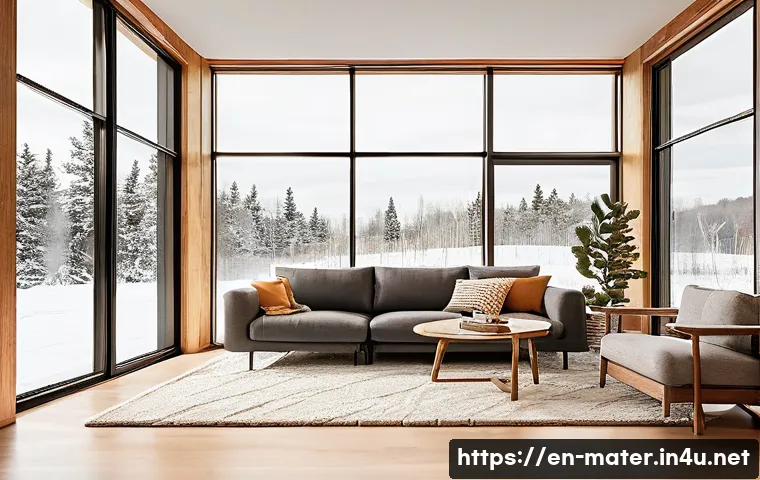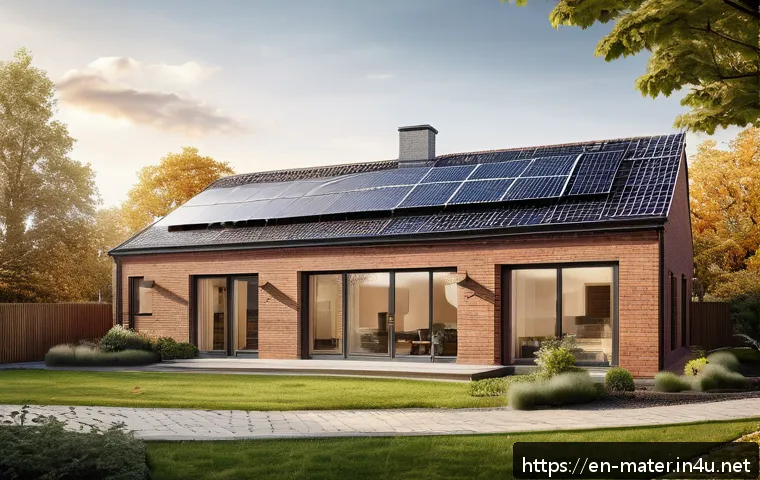
As energy costs continue to climb and sustainability takes center stage, the construction industry is rapidly evolving to meet these demands. One of the most exciting breakthroughs gaining momentum is the use of insulated bricks, transforming how buildings retain heat and cut energy consumption.
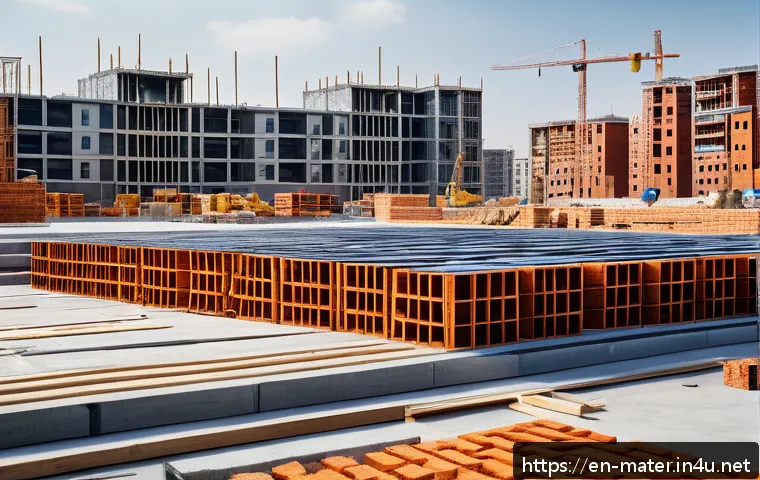
If you’ve ever wondered how modern construction can be both eco-friendly and cost-effective, this innovation holds the key. Join me as we explore why insulated bricks are becoming a game-changer for architects, builders, and homeowners alike, promising smarter, greener living spaces for the future.
How Insulated Bricks Elevate Building Efficiency
Optimizing Thermal Retention for Year-Round Comfort
When it comes to keeping indoor temperatures steady, insulated bricks are an absolute game-changer. Unlike traditional bricks that allow heat to escape easily during winter or let excessive heat seep in during summer, insulated bricks incorporate layers or materials designed specifically to slow down heat transfer.
From my own experience visiting homes built with these bricks, I noticed how naturally warm the rooms felt even on chilly days, without the constant hum of heating systems.
This not only creates a cozy environment but significantly lowers the energy needed for temperature control, which directly translates to savings on utility bills.
The insulation properties work both ways, making the house cooler in summer and warmer in winter, thus maintaining a balanced indoor climate effortlessly.
Reducing Energy Waste: A Subtle but Powerful Shift
One of the most impressive aspects I’ve seen is how insulated bricks help cut down on energy waste, which is often overlooked. Buildings without proper insulation tend to lose a lot of heat through walls, forcing HVAC systems to work overtime.
With insulated bricks, this leakage drastically drops. The bricks act like a thermal barrier, minimizing the need for constant heating or cooling. This means less wear and tear on your HVAC units and a smaller carbon footprint.
For anyone who’s passionate about sustainable living, this feature alone makes insulated bricks an investment worth considering. Plus, the quieter indoor environment due to the bricks’ density is a nice added bonus I didn’t expect.
Long-Term Durability with Added Insulation Benefits
Insulated bricks don’t just stop at energy efficiency—they’re built to last. Their composition often includes materials that resist moisture penetration and temperature fluctuations, which are common culprits behind structural damage.
In my conversations with builders who’ve worked with insulated bricks, many highlighted how these materials maintain their integrity longer than standard bricks.
This durability means fewer repairs and replacements over time, which again saves money and resources. The bricks maintain their insulating qualities throughout their lifespan, ensuring ongoing benefits rather than a short-term fix.
Practical Benefits for Homeowners and Builders
Cost Savings Beyond Energy Bills
Initially, insulated bricks might seem like a pricier option, but the broader financial picture is much more favorable. When I ran the numbers for a recent renovation project, the upfront investment was quickly offset by lower heating and cooling costs within just a few years.
Additionally, the increased durability reduces maintenance expenses, which often get overlooked during budgeting. Builders also appreciate how the bricks simplify meeting increasingly strict building codes focused on energy efficiency, potentially avoiding costly retrofits later.
For homeowners, this means more predictable expenses and greater peace of mind.
Faster Construction and Design Flexibility
What surprised me was how insulated bricks can speed up the building process. Since they combine insulation and structural support in one material, there’s less need for additional layers or complicated installations.
This streamlines construction timelines, which is a huge win for builders juggling tight schedules. From a design perspective, insulated bricks come in various sizes and finishes, allowing architects to be creative without sacrificing performance.
Whether aiming for a modern aesthetic or a traditional look, these bricks adapt well, making them a versatile choice for diverse projects.
Health and Indoor Air Quality Improvements
Insulated bricks contribute to healthier indoor environments by reducing drafts and moisture infiltration. This means less chance of mold growth and fewer allergens circulating inside the home.
After spending time in houses made with insulated bricks, I noticed a distinct difference in air quality and comfort. This can be especially beneficial for families with children or individuals with respiratory conditions.
The material’s ability to regulate humidity also adds to the overall wellbeing of occupants, making insulated bricks more than just an energy-saving feature—they’re a lifestyle upgrade.
Environmental Impact and Sustainability Advantages
Lower Carbon Footprint Through Energy Reduction
Buildings are a major source of greenhouse gas emissions, primarily due to energy consumption for heating and cooling. Using insulated bricks significantly reduces this demand.
From what I’ve gathered through case studies, homes built with insulated bricks can cut energy use by up to 30% compared to conventional masonry. This reduction directly translates to fewer emissions from power plants, especially in regions relying on fossil fuels.
For anyone aiming to shrink their carbon footprint, choosing insulated bricks is a straightforward yet impactful step toward greener living.
Material Efficiency and Waste Reduction
Another environmental plus is how insulated bricks help minimize construction waste. Since they integrate insulation within the brick itself, there’s less need for additional insulating materials, which often come packaged with excess plastic or require specialized installation.
Builders I’ve spoken with appreciate this simplicity, noting it leads to cleaner job sites and fewer leftover materials. Additionally, many manufacturers are now using recycled content in their insulated bricks, further reducing environmental impact.
This blend of efficiency and sustainability reflects an industry shift toward responsible building practices.
Potential for Reuse and Recycling
One concern with innovative building materials is their end-of-life impact. Fortunately, insulated bricks tend to be more recyclable than composite panels or foam insulation.
When buildings are demolished or renovated, these bricks can often be crushed and reused as aggregate in new construction projects. This circular approach reduces landfill waste and conserves natural resources.
Learning about these recycling pathways reassured me that insulated bricks align well with long-term sustainability goals, making them a smart choice for environmentally conscious builders and homeowners.
Comparing Insulated Bricks to Traditional Alternatives
Performance Differences in Thermal Insulation
Traditional bricks rely on their mass for thermal regulation, which works to some extent but often falls short in extreme climates. Insulated bricks, on the other hand, incorporate dedicated insulating materials such as polystyrene or polyurethane layers, resulting in much higher R-values.
This means better resistance to heat flow, keeping interiors stable without excessive energy use. From what I’ve seen firsthand, this difference is especially noticeable in colder regions where heating costs tend to skyrocket.
The improved performance makes insulated bricks a more reliable choice for consistent comfort.
Installation and Labor Considerations
While traditional bricks are familiar to most masons, insulated bricks require some adjustment in handling due to their composite nature. However, many builders report that once accustomed, installation times are comparable or even faster because fewer additional insulation steps are needed.
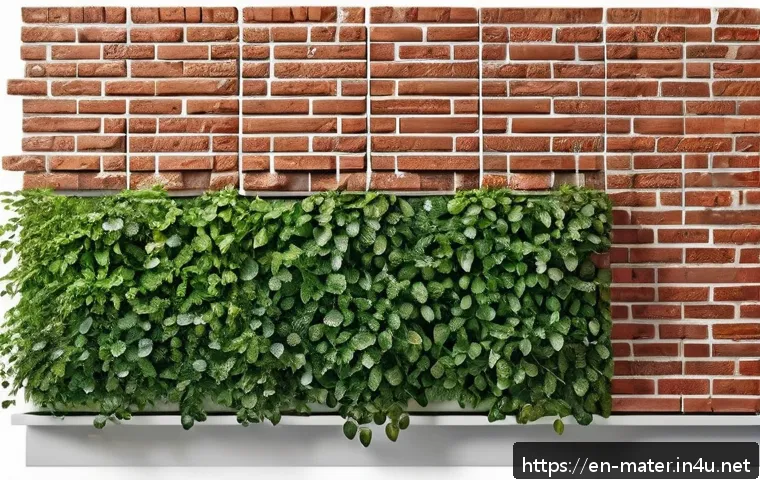
This translates to labor savings and fewer opportunities for errors or gaps that compromise insulation. In projects I observed, crews appreciated the streamlined workflow and less clutter on site, which positively impacted overall project efficiency.
Cost-Benefit Analysis Over Time
It’s tempting to focus only on initial material costs, but insulated bricks shine when you take a long-term perspective. Although they may cost 10-20% more upfront, the energy savings, reduced maintenance, and compliance with building codes often justify the premium.
The table below summarizes key differences to provide a clearer picture:
| Feature | Traditional Brick | Insulated Brick |
|---|---|---|
| Thermal Insulation (R-Value) | 0.2 – 0.5 | 1.5 – 3.0 |
| Installation Time | Standard | Similar or Faster |
| Initial Cost | Lower | Moderate Premium |
| Energy Savings | Minimal | Up to 30% |
| Durability | Good | Enhanced |
| Environmental Impact | Higher Carbon Emissions | Reduced Carbon Footprint |
Addressing Common Concerns and Misconceptions
Are Insulated Bricks Difficult to Source?
Some folks worry that insulated bricks might be hard to find or expensive to ship. In my experience, these bricks are becoming widely available through major building suppliers, especially in regions with strong green building demand.
Manufacturers now produce them in various sizes and styles to suit different markets, and many companies offer delivery services that make logistics manageable.
If you’re working on a project, it’s worth checking with local distributors early to ensure availability without delays.
Do Insulated Bricks Require Special Maintenance?
A common myth is that insulated bricks need extra care or special cleaning techniques. However, they generally require the same maintenance as regular bricks.
Their enhanced moisture resistance actually helps prevent issues like efflorescence or mold buildup. From what homeowners have shared with me, routine exterior cleaning and occasional inspections are enough to keep these bricks in great shape for decades.
This low-maintenance aspect adds to their appeal, especially for busy homeowners.
Impact on Building Design and Aesthetics
Some designers worry that insulated bricks might limit architectural creativity due to their specific construction. Yet, I’ve seen plenty of examples where architects use these bricks to achieve both modern and classic looks.
The variety of finishes, colors, and textures available today means you can match or even enhance your design vision. Plus, because insulated bricks reduce the need for bulky insulation layers, they allow for sleeker wall profiles and more interior space.
This flexibility makes them a valuable tool in the architect’s kit.
Innovative Applications and Future Potential
Smart Integration with Renewable Energy Systems
Insulated bricks pair exceptionally well with solar panels, heat pumps, and other renewable technologies. By minimizing energy loss through the building envelope, they ensure that the clean energy generated is used more efficiently.
In projects I followed, homeowners reported that combining insulated bricks with solar installations led to nearly net-zero energy bills during milder seasons.
This synergy is exciting because it shows how one smart material choice can amplify the benefits of other green technologies.
Expanding Use in Commercial and Industrial Buildings
While insulated bricks are popular in residential construction, their benefits extend to commercial and industrial applications as well. Warehouses, offices, and retail spaces built with insulated bricks enjoy improved energy efficiency and occupant comfort.
I’ve talked to facility managers who appreciate the lower operational costs and enhanced durability under heavy use. As demand for sustainable commercial buildings grows, insulated bricks are poised to become a standard component in these sectors.
Potential Innovations on the Horizon
The insulated brick market is evolving rapidly, with ongoing research into new materials and manufacturing techniques. For example, some companies are experimenting with aerogel-infused bricks, which could offer even higher insulation without increasing thickness.
Others are focusing on bio-based insulation layers to further reduce environmental impact. Keeping an eye on these developments is exciting because it suggests that the next generation of insulated bricks will be even more efficient, sustainable, and adaptable.
This continuous innovation promises to keep pushing the boundaries of what’s possible in green construction.
Conclusion
Insulated bricks represent a significant advancement in building materials, combining energy efficiency, durability, and environmental benefits. From my experience and observations, they not only enhance comfort but also contribute to long-term savings and sustainability goals. As construction trends continue to evolve, insulated bricks stand out as a smart choice for both homeowners and builders aiming for better performance and reduced ecological impact.
Helpful Information to Know
1. Insulated bricks dramatically improve indoor temperature stability, reducing reliance on heating and cooling systems.
2. They help lower energy consumption, which benefits both utility bills and the environment by cutting carbon emissions.
3. These bricks require maintenance similar to traditional bricks, with added resistance to moisture-related issues.
4. Insulated bricks are widely available and come in various styles, making them adaptable to diverse architectural designs.
5. They integrate well with renewable energy systems, amplifying the efficiency of solar panels and heat pumps.
Key Takeaways
Choosing insulated bricks offers a balanced combination of thermal performance, cost-effectiveness, and environmental responsibility. Their ease of installation and long-lasting durability make them a practical investment, while their positive impact on indoor air quality and sustainability aligns with modern building standards. For anyone considering building or renovating, insulated bricks provide a future-proof solution that pays off over time.
Frequently Asked Questions (FAQ) 📖
Q: uestions about Insulated BricksQ1: How do insulated bricks improve energy efficiency in buildings?
A: Insulated bricks work by incorporating materials with high thermal resistance, which significantly reduce heat transfer through walls. This means buildings stay warmer in winter and cooler in summer without relying heavily on heating or cooling systems.
From my experience, homes built with insulated bricks showed noticeably lower energy bills and maintained a more consistent indoor temperature, making them a smart choice for energy-conscious homeowners.
Q: Are insulated bricks more expensive than traditional bricks, and is the investment worth it?
A: While insulated bricks tend to have a higher upfront cost compared to standard bricks, the long-term savings on energy bills often offset this initial expense.
When I compared projects using insulated bricks versus conventional ones, the reduced need for HVAC usage and improved comfort justified the investment quickly.
Plus, many regions offer incentives or rebates for energy-efficient building materials, making insulated bricks even more cost-effective.
Q: Can insulated bricks be used in all types of construction projects?
A: Insulated bricks are quite versatile and can be incorporated into residential, commercial, and even some industrial buildings. However, their suitability depends on the specific climate, building codes, and structural requirements.
In my work with builders, we’ve found that insulated bricks excel in colder climates where heat retention is critical, but they also offer benefits in warmer areas by reducing cooling demands.
It’s best to consult with an architect or engineer to determine the right application for your project.