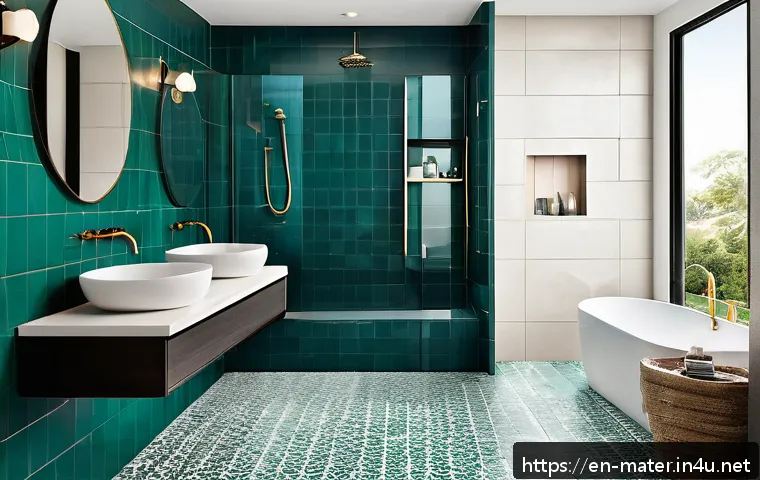
With bathroom renovations trending higher than ever, choosing the right tile has become a game-changer in creating both style and functionality. Whether you’re aiming for a sleek modern look or a cozy, timeless vibe, the type of tile you pick can dramatically transform your space.
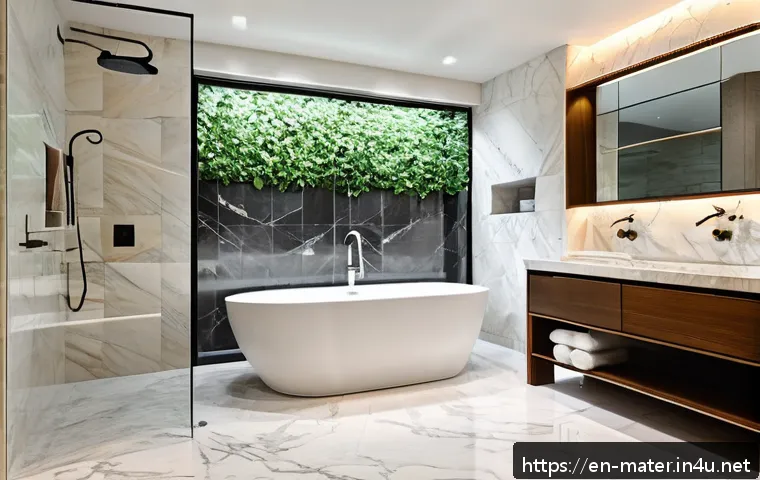
I’ve spent countless hours experimenting with different materials, textures, and finishes, and I’m excited to share what truly works. In this guide, we’ll explore how to navigate the overwhelming options and find the perfect tile that fits your lifestyle and design goals.
Stick around—this could be the inspiration your bathroom makeover has been waiting for!
Understanding the Impact of Tile Material on Bathroom Ambiance
Porcelain vs. Ceramic: Balancing Durability and Style
Choosing between porcelain and ceramic tiles often stumps many renovators, but knowing their core differences helps a lot. Porcelain tiles are denser and less porous, which means they resist moisture and stains better — a crucial factor in a bathroom setting.
From my experience, porcelain’s durability makes it perfect for high-traffic bathrooms or homes with kids, where wear and tear are inevitable. On the other hand, ceramic tiles are generally more affordable and come in a wider variety of colors and designs, which can be a game-changer if you want to inject personality without breaking the bank.
However, ceramic tends to be more porous, so sealing is necessary to prevent water damage over time. I’ve found that mixing these two types strategically—porcelain on the floor for resilience and ceramic on walls for style—creates both functional and aesthetic harmony.
Natural Stone Tiles: Luxury Meets Maintenance
Natural stone, like marble, slate, or travertine, instantly elevates any bathroom with its unique veining and textures. When I installed marble tiles in my own bathroom, the space felt like a spa retreat overnight.
But it’s not all glamour—natural stone requires regular sealing and more care to prevent staining and etching, especially in humid environments. This means if you’re not ready to commit to ongoing maintenance, it might not be the best choice.
That said, the tactile warmth and timeless elegance these stones bring are unmatched, and if you’re willing to invest the effort, the payoff is a truly bespoke look.
Glass Tiles: Adding Depth and Light
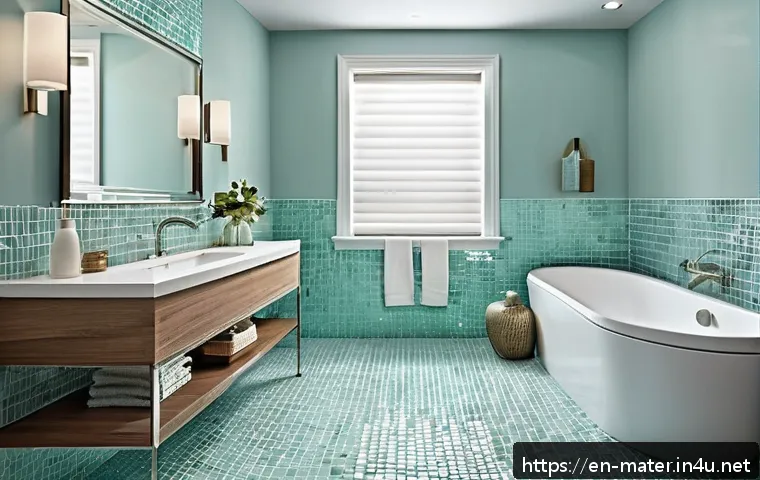
Glass tiles are a favorite for creating a sense of openness, especially in smaller bathrooms. Their reflective surface bounces light around, making the space feel brighter and larger.
I once used glass mosaic tiles as a backsplash, and it transformed the area from dull to dazzling, catching the eye with every angle. However, glass can be slippery when used on floors and tends to show water spots and fingerprints more easily, so I recommend it mostly for walls or accent areas.
Installation can be a bit trickier too, requiring a skilled hand to avoid chipping, but the visual impact is worth the extra care.
Choosing Tile Size and Layout for Maximum Visual Appeal
Large Format Tiles: Creating Seamless Flow
Large tiles, such as 12×24 inches or bigger, are trending for their ability to make a bathroom feel more expansive. When I swapped out small tiles for large-format porcelain in my powder room, the space instantly felt less cluttered and more streamlined.
Fewer grout lines mean less cleaning and a smoother look overall, which is great for minimalist or modern designs. But keep in mind, large tiles require a very flat subfloor to avoid lippage (uneven edges), so prep work is critical.
Patterned and Mosaic Tiles: Making a Statement
For those who want their bathroom to reflect personality and flair, patterned or mosaic tiles are a fantastic option. Whether it’s a geometric pattern on the floor or a colorful mosaic backsplash, these details add character and charm.
I’ve personally experimented with Moroccan-inspired mosaics, and it gave my bathroom an artistic touch that guests always comment on. The key is to balance bold patterns with neutral surroundings to avoid overwhelming the space.
Subway Tiles: Timeless and Versatile
Subway tiles have been a staple for decades, and their classic rectangular shape fits almost any style. Installing white subway tiles with dark grout in my shower created a crisp, clean look that’s both retro and modern at the same time.
They’re incredibly versatile—stacked, staggered, or even vertically aligned—and affordable too. Plus, their glossy finish helps reflect light, brightening up the room without needing extra fixtures.
Color and Finish Choices That Set the Mood
Matte vs. Glossy Finishes: Practicality Meets Aesthetic
The finish you select affects both the look and function of your bathroom tiles. Glossy finishes reflect light and make colors pop, which is fantastic for smaller bathrooms that need a bit of brightness.
However, they also show smudges and water spots more easily, so they might require more upkeep. Matte finishes, on the other hand, offer a subdued, sophisticated vibe and better slip resistance, which is a big plus for bathroom floors.
When I switched to matte tiles in my master bath, the space felt calmer and more grounded—perfect for winding down after a long day.
Neutral Shades vs. Bold Colors: Matching Your Lifestyle
Neutral tones like whites, grays, and beiges are popular for their timeless appeal and ability to blend with various décor styles. I tend to lean toward neutrals because they offer flexibility for future updates without a full remodel.
Bold colors, like deep blues or emerald greens, create a dramatic statement and can turn your bathroom into a true design showcase. The trick I learned is to incorporate bold hues as accents rather than the main tile color to avoid overwhelming the senses.
Practical Considerations: Maintenance and Longevity
Grout Selection and Care
Grout is often overlooked, but it significantly impacts the bathroom’s overall durability and appearance. Darker grout colors hide stains and mildew better, which is helpful in busy households.
I use an epoxy grout for my bathrooms because it’s less porous and resists cracking, though it’s a bit pricier than traditional cement grout. Regular sealing and cleaning routines keep grout lines looking fresh and prevent long-term damage.
Slip Resistance and Safety
Slip resistance is a critical factor, especially if you have kids or elderly family members at home. Textured tiles or those rated for wet areas can reduce the risk of slips and falls.
From experience, tiles with a slightly rough surface or matte finish provide better traction. I always recommend testing a tile’s slip rating (often denoted as COF – coefficient of friction) before committing, as safety is just as important as style.
Comparing Popular Bathroom Tile Options
| Tile Type | Durability | Maintenance | Style Versatility | Cost Range | Best Use |
|---|---|---|---|---|---|
| Porcelain | High | Low (requires minimal sealing) | Wide (modern to traditional) | $$$ | Floor & Wall |
| Ceramic | Moderate | Medium (needs sealing) | Very Wide (colors & patterns) | $$ | Wall & Light Floor |
| Natural Stone | High | High (frequent sealing) | Elegant & Unique | $$$$ | Floor & Feature Walls |
| Glass | Moderate | Medium (prone to water spots) | Bright & Reflective | $$$ | Backsplash & Accent |
| Vinyl (Luxury Vinyl Tile) | Moderate | Low (easy cleaning) | Wide (imitates stone/wood) | $ | Floor (budget-friendly) |
Tips for Mixing and Matching Tiles Without Overdoing It
Using Accent Tiles to Highlight Features
Accent tiles can beautifully frame mirrors, bathtubs, or niches. I found that using a complementary mosaic strip or a contrasting color can create focal points without overwhelming the senses.
For example, a neutral subway tile wall paired with a bold mosaic band adds depth and interest, making the bathroom feel thoughtfully designed.
Balancing Patterns and Solids
Combining patterned tiles with solid colors is an art in itself. When I tackled this in my own bathroom, I used patterned floor tiles with plain walls, which prevented visual chaos.
The key is to keep the color palette consistent across patterns and solids so everything feels cohesive and balanced.
Transitioning Between Different Tile Types
When moving from one tile type or size to another, smooth transitions avoid a jarring look. Using border strips or bullnose tiles helps blend different textures or colors seamlessly.
I recommend planning these transitions early in the design process to avoid costly fixes later.
Environmental and Budget Factors in Tile Selection
Eco-Friendly Tile Options
Sustainability matters more than ever. Tiles made from recycled materials, like glass or porcelain with post-industrial content, reduce environmental impact.
I’ve chosen eco-friendly tiles in a few projects, and they don’t compromise on quality or style. Plus, many manufacturers now provide transparent sourcing, which helps make informed choices.
Budgeting for Tile and Installation Costs
Tile cost is just one part of the budget; installation can sometimes double the expense. I’ve learned that investing in professional installation pays off in the long run, especially for complex layouts or large tiles.
Always get multiple quotes and ask installers about their experience with your tile type to avoid surprises.
Long-Term Value and Resale Considerations
Choosing timeless tile designs can boost your home’s resale value. Neutral colors and classic formats appeal to a broader audience, while overly trendy choices might date quickly.
When I renovated my bathroom, I balanced trendy accents with classic base tiles, which later proved popular with buyers during appraisal. This approach protects your investment and keeps your space stylish for years to come.
Wrapping Up
Choosing the right tile material and design can transform your bathroom into a functional and beautiful space. Whether you prioritize durability, style, or maintenance, understanding your options helps you make informed decisions. Personal experience shows that combining different tile types and finishes thoughtfully enhances both ambiance and practicality. With careful planning, your bathroom can be a lasting reflection of your taste and lifestyle.
Helpful Tips to Keep in Mind
1. Always consider moisture resistance when selecting tiles for bathrooms to ensure longevity and prevent damage.
2. Mixing tile materials, such as porcelain floors with ceramic walls, balances durability and aesthetic appeal effectively.
3. Large-format tiles reduce grout lines and create a seamless, modern look but require precise subfloor preparation.
4. Incorporate accent tiles thoughtfully to add personality without overwhelming the space.
5. Prioritize slip resistance, especially for households with children or elderly members, by choosing textured or matte finishes.
Key Takeaways for Your Bathroom Tile Choice
Durability, maintenance, and style versatility are the pillars of selecting bathroom tiles. Porcelain stands out for its toughness and low upkeep, making it ideal for floors and walls alike. Natural stones bring luxury but demand more care, while glass tiles brighten spaces but are better suited for accents. Balancing tile size, color, and finish ensures your bathroom looks cohesive and inviting. Lastly, investing in professional installation and considering long-term value will protect your investment and enhance your daily comfort.
Frequently Asked Questions (FAQ) 📖
Q: What type of tile is best for a bathroom floor that is both stylish and slip-resistant?
A: From my experience, porcelain tiles are an excellent choice for bathroom floors. They offer a sleek, modern look and are highly durable. More importantly, many porcelain tiles come with textured finishes that significantly reduce slipperiness when wet, making them safer for everyday use.
I tried a few options, and those with a matte or slightly rough surface gave me the best grip without compromising style. Avoid overly glossy tiles on the floor since they can become hazardous.
Q: How do I choose the right tile color and pattern to match a small bathroom without making it feel cramped?
A: When working with small bathrooms, lighter colors like soft whites, pale grays, or pastel blues can open up the space visually. I found that using larger tiles with minimal patterns creates a cleaner, more expansive feel.
If you want some personality, subtle patterns or a single accent wall with decorative tiles can add charm without overwhelming the room. Staying away from very dark or busy patterns helps prevent the space from feeling closed in.
Q: Are natural stone tiles worth the investment for bathroom renovations?
A: Natural stone tiles like marble or travertine definitely add a luxurious and timeless appeal. I used marble in my own bathroom renovation, and the unique veining made the space feel elegant and custom.
However, they do require more maintenance—sealing regularly to prevent stains and being cautious with harsh cleaners. If you’re willing to invest time and care, natural stone can be a stunning feature, but for a low-maintenance option, porcelain or ceramic tiles might be better suited.