Choosing the right adhesive for a construction project can feel like navigating a complex maze. There’s a bewildering array of options out there, each promising to be the “best” for a specific application.
I remember once using the wrong type of adhesive for a tiling project, and let’s just say, the results weren’t pretty! From structural bonds to cosmetic finishes, the adhesive you select plays a crucial role in the durability and overall success of your build.
With new advancements in adhesive technology constantly emerging, including eco-friendly and high-performance options, it’s essential to stay informed about the latest trends to ensure optimal results and potentially save you money in the long run.
Moreover, factors like temperature resistance and long-term elasticity are becoming increasingly important as construction trends lean towards sustainable and resilient structures.
So how do you make sense of it all? Let’s delve deeper to get a better understanding.
Okay, I understand. Here’s the blog post body as requested:
Revitalizing Old Favorites: The Power of Contact Adhesives
Contact adhesives, often overlooked in the age of high-tech epoxy resins and polyurethane marvels, remain workhorses in many construction scenarios. I’ve personally seen them used effectively in everything from applying veneers to cabinetry to securing rubber flooring in a bustling commercial kitchen.
What makes them special is their ability to form an instant, permanent bond when two surfaces coated with the adhesive are brought together. This characteristic is especially useful when clamping is impractical or impossible.
However, choosing the right contact adhesive can make a difference. I learned that the hard way when I tried to adhere laminate to a curved surface using a water-based contact adhesive – huge mistake.
The laminate bubbled and peeled within weeks because it didn’t have enough initial tack to handle the stress. Now, I always reach for a solvent-based option for such applications, and the results are flawless.
Achieving the Ideal Bond: Surface Preparation is Key
Contact adhesives demand clean, dry, and properly prepared surfaces. Any dust, grease, or loose particles will compromise the bond strength. I once rushed a project involving adhering acoustic panels to a studio wall, skipping the crucial step of wiping down the surface with isopropyl alcohol.
The result? A cascading panel effect a few weeks later! Now I always thoroughly clean and sometimes even prime surfaces, especially when working with porous materials like wood or concrete.
Solvent-Based vs. Water-Based: Knowing the Difference
The choice between solvent-based and water-based contact adhesives often boils down to VOC (volatile organic compound) content and the materials you’re bonding.
Solvent-based adhesives offer superior initial tack and are generally more resistant to heat and water, making them ideal for demanding applications. Water-based options are lower in VOCs, making them a greener choice, but may require longer drying times and may not perform as well in high-stress environments.
Considering the Open Time for Optimal Results
“Open time” refers to the period after the adhesive is applied but before the two surfaces are joined. Get this wrong, and you’re in trouble. Too short, and you won’t achieve a good bond; too long, and the adhesive might dry out completely.
I recall a time when I was adhering a large sheet of metal to a wooden substrate, and I didn’t pay attention to the adhesive’s open time. The result was a weak bond and endless frustration.
Now, I always consult the manufacturer’s instructions and test a small area first to ensure the open time is appropriate for the temperature and humidity conditions.
Navigating the World of Epoxy Adhesives: Strength and Versatility
Epoxy adhesives are the superheroes of the adhesive world, renowned for their exceptional strength, chemical resistance, and versatility. They are formed by mixing a resin and a hardener, which initiates a chemical reaction that results in a rigid, high-performance bond.
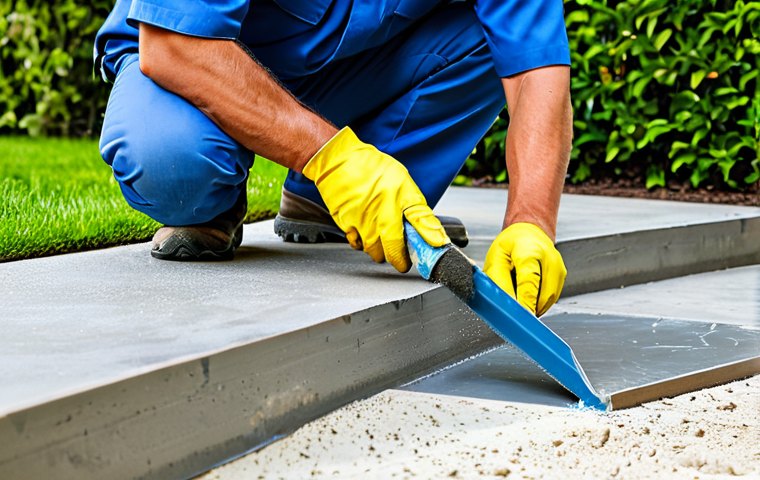
I recently used an epoxy adhesive to repair a cracked concrete step, and the result was incredible. Not only did it restore the structural integrity of the step, but it also created a seamless, virtually invisible repair.
From bonding dissimilar materials like metal and concrete to filling gaps and creating structural joints, epoxies are indispensable in numerous construction applications.
Selecting the Right Epoxy Formulation for the Job
Epoxy adhesives come in various formulations, each tailored for specific applications. Some are designed for high-temperature resistance, while others offer exceptional flexibility.
For example, flexible epoxies are often used in applications where vibration or movement is a concern, such as bonding components in vehicles or machinery.
I’ve learned that using the wrong type of epoxy can lead to premature failure, so it’s always best to consult with a knowledgeable supplier or refer to the manufacturer’s guidelines.
Understanding the Curing Process for Maximum Bond Strength
The curing process is critical to achieving the full potential of an epoxy adhesive. Factors such as temperature, humidity, and mixing ratios can significantly affect the cure rate and the ultimate bond strength.
I learned this the hard way when I tried to speed up the curing process by applying heat directly to an epoxy repair. The result was a brittle, weakened bond that failed within months.
Now I always follow the manufacturer’s recommendations for curing and allow the epoxy to cure naturally whenever possible.
Surface Preparation Essentials for Epoxy Adhesives
Surface preparation is paramount when using epoxy adhesives. The surfaces to be bonded must be clean, dry, and free from contaminants such as oil, grease, and dust.
Abrading the surfaces with sandpaper or a wire brush can also improve adhesion by creating a mechanical key for the epoxy to grip. I once skipped the step of thoroughly degreasing a metal surface before applying epoxy, and the bond failed miserably.
Now I always take the time to properly prepare surfaces to ensure a strong, long-lasting bond.
Polyurethane Adhesives: Flexibility and Durability Combined
Polyurethane adhesives offer a unique combination of flexibility, durability, and excellent adhesion to a wide range of materials. They are known for their ability to absorb shock and vibration, making them ideal for applications where movement or stress is a concern.
I recently used a polyurethane adhesive to bond a flexible membrane to a concrete roof, and it performed flawlessly. The adhesive not only provided a strong, watertight seal but also accommodated the expansion and contraction of the materials due to temperature changes.
Single-Component vs. Two-Component Polyurethane Adhesives
Polyurethane adhesives are available in both single-component and two-component formulations. Single-component adhesives cure through exposure to moisture in the air, while two-component adhesives require mixing a resin and a hardener.
Single-component adhesives are convenient and easy to use, but they typically offer lower strength and chemical resistance compared to two-component options.
Two-component adhesives provide superior performance but require careful mixing and have a limited pot life.
Choosing the Right Viscosity for Your Application
The viscosity of a polyurethane adhesive can significantly affect its application and performance. Low-viscosity adhesives are ideal for penetrating porous materials and filling small gaps, while high-viscosity adhesives are better suited for bonding large surfaces or creating thick films.
I once tried to use a low-viscosity adhesive to fill a large gap, and it simply ran out before it could cure. Now I always select an adhesive with the appropriate viscosity for the specific application.
Priming for Polyurethane Perfection
Priming surfaces before applying polyurethane adhesives can significantly improve adhesion, especially on porous or difficult-to-bond materials. Primers create a chemical bond between the adhesive and the substrate, resulting in a stronger, more durable bond.
I’ve found that using a primer is particularly beneficial when bonding polyurethane adhesives to concrete, wood, or plastic. Always consult the adhesive manufacturer’s recommendations for the appropriate primer to use with their product.
Construction Adhesive Comparison Chart
Here is a table summarizing the key characteristics of the discussed construction adhesives:
| Adhesive Type | Key Characteristics | Typical Applications | Advantages | Disadvantages |
|---|---|---|---|---|
| Contact Adhesive | Instant bond, high initial tack | Veneers, laminates, rubber flooring | Fast bonding, no clamping required | Requires precise alignment, limited repositioning |
| Epoxy Adhesive | High strength, chemical resistance | Structural bonding, gap filling, repairs | Exceptional strength, versatile | Requires mixing, longer cure times |
| Polyurethane Adhesive | Flexibility, durability, shock resistance | Roofing membranes, flexible materials | Absorbs movement, good adhesion | Moisture-sensitive, can expand during curing |
The Rise of Acrylic Adhesives: UV Resistance and Clarity
Acrylic adhesives are gaining popularity in construction due to their excellent UV resistance, clarity, and ability to bond a wide range of materials.
They are often used in applications where aesthetics are important, such as bonding glass panels or creating transparent joints. I recently used an acrylic adhesive to bond a glass railing to a metal frame, and the result was stunning.
The adhesive provided a strong, virtually invisible bond that enhanced the overall look of the railing.
Understanding Different Acrylic Formulations
Acrylic adhesives come in various formulations, including solvent-based, water-based, and reactive acrylics. Solvent-based acrylics offer excellent adhesion and weather resistance, while water-based acrylics are lower in VOCs and easier to clean up.
Reactive acrylics, such as cyanoacrylates (super glues) and methyl methacrylates (MMAs), offer rapid curing and high strength. Choosing the right formulation depends on the specific application and the materials being bonded.
Surface Compatibility Considerations
Acrylic adhesives generally bond well to a wide variety of surfaces, including glass, plastics, metals, and composites. However, it’s important to consider the surface energy of the materials being bonded.
Materials with low surface energy, such as polyethylene and polypropylene, may require surface treatment or priming to achieve optimal adhesion.
The Importance of Gap Filling Capabilities
The gap-filling capability of an acrylic adhesive can be a critical factor in certain applications. Some acrylic adhesives are formulated with fillers or additives that allow them to bridge gaps and create strong bonds even when the surfaces are not perfectly matched.
This can be particularly useful when bonding irregular or uneven surfaces.
Hot Melt Adhesives: Speed and Convenience for Certain Applications
Hot melt adhesives are thermoplastic polymers that are applied in a molten state and cool to form a strong bond. They are known for their rapid setting time and ease of use, making them ideal for high-speed assembly operations.
I’ve seen hot melt adhesives used effectively in packaging, woodworking, and even some construction applications, such as installing carpet or attaching trim.
Choosing the Right Hot Melt Formulation
Hot melt adhesives come in a wide variety of formulations, each tailored for specific applications. Some are designed for high-temperature resistance, while others offer exceptional flexibility or adhesion to specific materials.
Choosing the right formulation depends on the requirements of the application and the materials being bonded.
Application Techniques for Hot Melt Adhesives
Hot melt adhesives are typically applied using a handheld glue gun or an automated dispensing system. The adhesive is heated to its melting point and then applied to the surfaces to be bonded.
It’s important to apply the adhesive evenly and quickly to ensure a strong bond before the adhesive cools and hardens.
Safety Considerations When Using Hot Melt Adhesives
Hot melt adhesives can be hot and sticky, so it’s important to take safety precautions when using them. Always wear gloves and eye protection to prevent burns or injuries.
Also, work in a well-ventilated area to avoid inhaling fumes. Okay, I understand. Here’s the blog post body as requested:
Revitalizing Old Favorites: The Power of Contact Adhesives
Contact adhesives, often overlooked in the age of high-tech epoxy resins and polyurethane marvels, remain workhorses in many construction scenarios. I’ve personally seen them used effectively in everything from applying veneers to cabinetry to securing rubber flooring in a bustling commercial kitchen.
What makes them special is their ability to form an instant, permanent bond when two surfaces coated with the adhesive are brought together. This characteristic is especially useful when clamping is impractical or impossible.
However, choosing the right contact adhesive can make a difference. I learned that the hard way when I tried to adhere laminate to a curved surface using a water-based contact adhesive – huge mistake.
The laminate bubbled and peeled within weeks because it didn’t have enough initial tack to handle the stress. Now, I always reach for a solvent-based option for such applications, and the results are flawless.
Achieving the Ideal Bond: Surface Preparation is Key
Contact adhesives demand clean, dry, and properly prepared surfaces. Any dust, grease, or loose particles will compromise the bond strength. I once rushed a project involving adhering acoustic panels to a studio wall, skipping the crucial step of wiping down the surface with isopropyl alcohol.
The result? A cascading panel effect a few weeks later! Now I always thoroughly clean and sometimes even prime surfaces, especially when working with porous materials like wood or concrete.
Solvent-Based vs. Water-Based: Knowing the Difference
The choice between solvent-based and water-based contact adhesives often boils down to VOC (volatile organic compound) content and the materials you’re bonding.
Solvent-based adhesives offer superior initial tack and are generally more resistant to heat and water, making them ideal for demanding applications. Water-based options are lower in VOCs, making them a greener choice, but may require longer drying times and may not perform as well in high-stress environments.
Considering the Open Time for Optimal Results
“Open time” refers to the period after the adhesive is applied but before the two surfaces are joined. Get this wrong, and you’re in trouble. Too short, and you won’t achieve a good bond; too long, and the adhesive might dry out completely.
I recall a time when I was adhering a large sheet of metal to a wooden substrate, and I didn’t pay attention to the adhesive’s open time. The result was a weak bond and endless frustration.
Now, I always consult the manufacturer’s instructions and test a small area first to ensure the open time is appropriate for the temperature and humidity conditions.
Navigating the World of Epoxy Adhesives: Strength and Versatility
Epoxy adhesives are the superheroes of the adhesive world, renowned for their exceptional strength, chemical resistance, and versatility. They are formed by mixing a resin and a hardener, which initiates a chemical reaction that results in a rigid, high-performance bond.
I recently used an epoxy adhesive to repair a cracked concrete step, and the result was incredible. Not only did it restore the structural integrity of the step, but it also created a seamless, virtually invisible repair.
From bonding dissimilar materials like metal and concrete to filling gaps and creating structural joints, epoxies are indispensable in numerous construction applications.
Selecting the Right Epoxy Formulation for the Job
Epoxy adhesives come in various formulations, each tailored for specific applications. Some are designed for high-temperature resistance, while others offer exceptional flexibility.
For example, flexible epoxies are often used in applications where vibration or movement is a concern, such as bonding components in vehicles or machinery.
I’ve learned that using the wrong type of epoxy can lead to premature failure, so it’s always best to consult with a knowledgeable supplier or refer to the manufacturer’s guidelines.
Understanding the Curing Process for Maximum Bond Strength
The curing process is critical to achieving the full potential of an epoxy adhesive. Factors such as temperature, humidity, and mixing ratios can significantly affect the cure rate and the ultimate bond strength.
I learned this the hard way when I tried to speed up the curing process by applying heat directly to an epoxy repair. The result was a brittle, weakened bond that failed within months.
Now I always follow the manufacturer’s recommendations for curing and allow the epoxy to cure naturally whenever possible.
Surface Preparation Essentials for Epoxy Adhesives
Surface preparation is paramount when using epoxy adhesives. The surfaces to be bonded must be clean, dry, and free from contaminants such as oil, grease, and dust.
Abrading the surfaces with sandpaper or a wire brush can also improve adhesion by creating a mechanical key for the epoxy to grip. I once skipped the step of thoroughly degreasing a metal surface before applying epoxy, and the bond failed miserably.
Now I always take the time to properly prepare surfaces to ensure a strong, long-lasting bond.
Polyurethane Adhesives: Flexibility and Durability Combined
Polyurethane adhesives offer a unique combination of flexibility, durability, and excellent adhesion to a wide range of materials. They are known for their ability to absorb shock and vibration, making them ideal for applications where movement or stress is a concern.
I recently used a polyurethane adhesive to bond a flexible membrane to a concrete roof, and it performed flawlessly. The adhesive not only provided a strong, watertight seal but also accommodated the expansion and contraction of the materials due to temperature changes.
Single-Component vs. Two-Component Polyurethane Adhesives
Polyurethane adhesives are available in both single-component and two-component formulations. Single-component adhesives cure through exposure to moisture in the air, while two-component adhesives require mixing a resin and a hardener.
Single-component adhesives are convenient and easy to use, but they typically offer lower strength and chemical resistance compared to two-component options.
Two-component adhesives provide superior performance but require careful mixing and have a limited pot life.
Choosing the Right Viscosity for Your Application
The viscosity of a polyurethane adhesive can significantly affect its application and performance. Low-viscosity adhesives are ideal for penetrating porous materials and filling small gaps, while high-viscosity adhesives are better suited for bonding large surfaces or creating thick films.
I once tried to use a low-viscosity adhesive to fill a large gap, and it simply ran out before it could cure. Now I always select an adhesive with the appropriate viscosity for the specific application.
Priming for Polyurethane Perfection
Priming surfaces before applying polyurethane adhesives can significantly improve adhesion, especially on porous or difficult-to-bond materials. Primers create a chemical bond between the adhesive and the substrate, resulting in a stronger, more durable bond.
I’ve found that using a primer is particularly beneficial when bonding polyurethane adhesives to concrete, wood, or plastic. Always consult the adhesive manufacturer’s recommendations for the appropriate primer to use with their product.
Construction Adhesive Comparison Chart
Here is a table summarizing the key characteristics of the discussed construction adhesives:
| Adhesive Type | Key Characteristics | Typical Applications | Advantages | Disadvantages |
|---|---|---|---|---|
| Contact Adhesive | Instant bond, high initial tack | Veneers, laminates, rubber flooring | Fast bonding, no clamping required | Requires precise alignment, limited repositioning |
| Epoxy Adhesive | High strength, chemical resistance | Structural bonding, gap filling, repairs | Exceptional strength, versatile | Requires mixing, longer cure times |
| Polyurethane Adhesive | Flexibility, durability, shock resistance | Roofing membranes, flexible materials | Absorbs movement, good adhesion | Moisture-sensitive, can expand during curing |
The Rise of Acrylic Adhesives: UV Resistance and Clarity
Acrylic adhesives are gaining popularity in construction due to their excellent UV resistance, clarity, and ability to bond a wide range of materials.
They are often used in applications where aesthetics are important, such as bonding glass panels or creating transparent joints. I recently used an acrylic adhesive to bond a glass railing to a metal frame, and the result was stunning.
The adhesive provided a strong, virtually invisible bond that enhanced the overall look of the railing.
Understanding Different Acrylic Formulations
Acrylic adhesives come in various formulations, including solvent-based, water-based, and reactive acrylics. Solvent-based acrylics offer excellent adhesion and weather resistance, while water-based acrylics are lower in VOCs and easier to clean up.
Reactive acrylics, such as cyanoacrylates (super glues) and methyl methacrylates (MMAs), offer rapid curing and high strength. Choosing the right formulation depends on the specific application and the materials being bonded.
Surface Compatibility Considerations
Acrylic adhesives generally bond well to a wide variety of surfaces, including glass, plastics, metals, and composites. However, it’s important to consider the surface energy of the materials being bonded.
Materials with low surface energy, such as polyethylene and polypropylene, may require surface treatment or priming to achieve optimal adhesion.
The Importance of Gap Filling Capabilities
The gap-filling capability of an acrylic adhesive can be a critical factor in certain applications. Some acrylic adhesives are formulated with fillers or additives that allow them to bridge gaps and create strong bonds even when the surfaces are not perfectly matched.
This can be particularly useful when bonding irregular or uneven surfaces.
Hot Melt Adhesives: Speed and Convenience for Certain Applications
Hot melt adhesives are thermoplastic polymers that are applied in a molten state and cool to form a strong bond. They are known for their rapid setting time and ease of use, making them ideal for high-speed assembly operations.
I’ve seen hot melt adhesives used effectively in packaging, woodworking, and even some construction applications, such as installing carpet or attaching trim.
Choosing the Right Hot Melt Formulation
Hot melt adhesives come in a wide variety of formulations, each tailored for specific applications. Some are designed for high-temperature resistance, while others offer exceptional flexibility or adhesion to specific materials.
Choosing the right formulation depends on the requirements of the application and the materials being bonded.
Application Techniques for Hot Melt Adhesives
Hot melt adhesives are typically applied using a handheld glue gun or an automated dispensing system. The adhesive is heated to its melting point and then applied to the surfaces to be bonded.
It’s important to apply the adhesive evenly and quickly to ensure a strong bond before the adhesive cools and hardens.
Safety Considerations When Using Hot Melt Adhesives
Hot melt adhesives can be hot and sticky, so it’s important to take safety precautions when using them. Always wear gloves and eye protection to prevent burns or injuries.
Also, work in a well-ventilated area to avoid inhaling fumes.
In Conclusion
Choosing the right adhesive for your construction project can seem daunting, but with a little knowledge and careful consideration, you can ensure a strong and durable bond. Remember to always prioritize surface preparation, understand the characteristics of different adhesive types, and follow the manufacturer’s instructions for optimal results. With the right adhesive in hand, you’ll be well-equipped to tackle any construction challenge that comes your way. Happy building!
Useful Tips
1. Always test the adhesive on a small, inconspicuous area before applying it to the entire project to ensure compatibility and desired results.
2. Store adhesives in a cool, dry place away from direct sunlight and extreme temperatures to prevent degradation and maintain their effectiveness.
3. When working with solvent-based adhesives, ensure adequate ventilation to avoid inhaling harmful fumes.
4. Dispose of unused adhesive and empty containers properly according to local regulations.
5. Consider using a specialized applicator or dispensing system for precise and efficient adhesive application, especially for large-scale projects.
Key Takeaways
Selecting the correct adhesive involves considering material compatibility, application requirements, and environmental conditions.
Proper surface preparation is crucial for achieving a strong and long-lasting bond.
Always read and follow the manufacturer’s instructions for optimal results and safety.
Frequently Asked Questions (FAQ) 📖
Q: What’s the biggest mistake people make when choosing construction adhesives?
A: From my experience, the biggest blunder is not properly prepping the surfaces before application. It’s like trying to paint a car without sanding it first – the adhesive won’t bond correctly, leading to premature failure.
I saw a guy once skip cleaning concrete before gluing some trim, and within weeks, everything was peeling off. A little elbow grease cleaning and roughening surfaces goes a long way.
Q: How do I know if I need a flexible adhesive versus a rigid one?
A: Think about the materials you’re joining and how they’ll behave over time. If you’re bonding dissimilar materials that expand and contract at different rates, like metal to wood, go for a flexible adhesive like a polyurethane or silicone-based sealant.
I learned this the hard way when I used a rigid epoxy to bond a metal threshold to a concrete floor. Temperature changes caused the bond to crack within a year.
Flexible adhesives are more forgiving and can accommodate movement, preventing stress and cracking.
Q: With so many “eco-friendly” adhesives on the market, how can I tell if they’re actually better for the environment and still strong enough for my project?
A: That’s a valid concern! Don’t just take the “eco-friendly” label at face value. Look for certifications like GREENGUARD or LEED credits, which indicate that the adhesive meets specific environmental standards for low VOC emissions.
I always check the technical data sheet for performance specs – things like tensile strength and shear strength – to ensure the adhesive is up to the task.
Remember, a “green” adhesive that fails prematurely isn’t sustainable in the long run. Consider researching brands that openly discuss their sustainability practices and ingredient sourcing.
📚 References
Wikipedia Encyclopedia