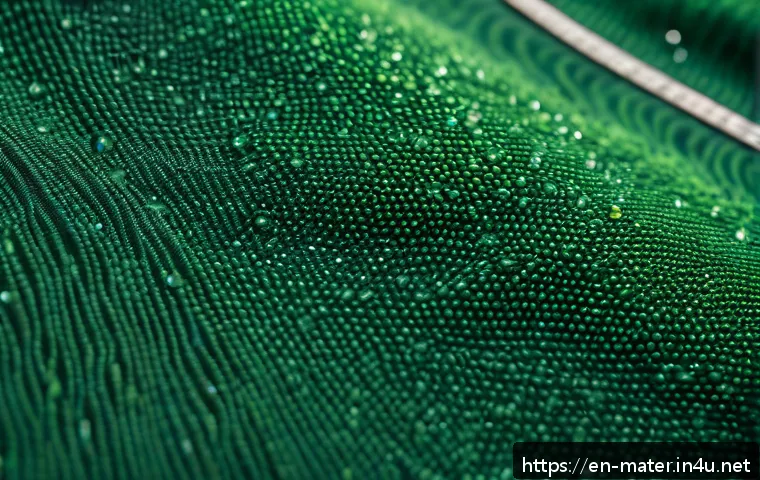
Have you ever wondered how your favorite gadgets, outdoor gear, or even your smartphone stay protected from water damage? With the rising demand for durable and efficient water-repellent coatings, understanding the science behind these invisible shields has never been more relevant.
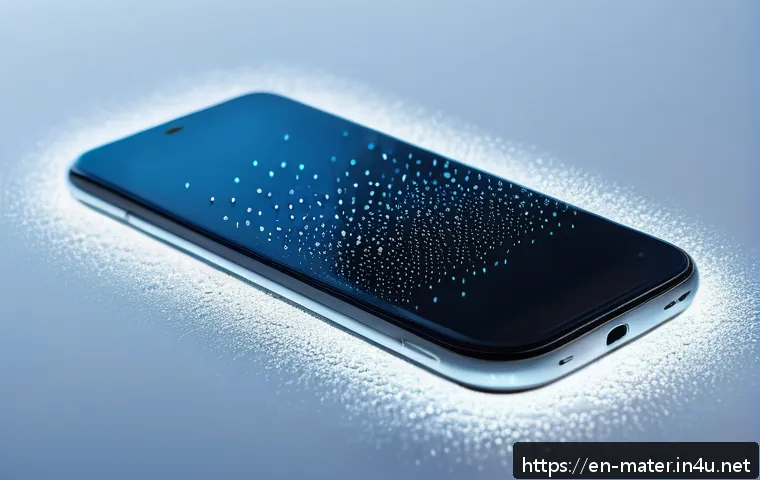
As technology advances, these coatings are evolving to offer smarter, longer-lasting protection that adapts to various surfaces and conditions. Today, let’s dive into how these coatings work, why they matter in everyday life, and what future innovations might bring.
Whether you’re a tech enthusiast or simply curious, this exploration will reveal the fascinating world behind water-repellent technology. Stick around—you might just discover the secret to keeping your belongings dry and pristine!
How Water-Repellent Coatings Create a Protective Barrier
The Science Behind the Shield
Water-repellent coatings work by altering the surface energy of materials, effectively creating a barrier that water molecules can’t easily penetrate.
When applied, these coatings form a thin, invisible layer that causes water to bead up and roll off rather than soak in. This happens due to the hydrophobic nature of the coating materials, which repel water at a molecular level.
Imagine tiny invisible spikes on the surface that prevent water from sticking—this is often achieved through nanotechnology, where microscopic structures enhance water resistance dramatically.
The fascinating part is that these coatings don’t just sit on top; they chemically bond with the surface, ensuring durability even after repeated exposure to water, wear, and cleaning.
Types of Water-Repellent Coatings
There are several different types of water-repellent coatings used across industries, each tailored to specific needs. Silicone-based coatings are popular for their flexibility and resistance to UV light, making them ideal for outdoor gear and fabrics.
Fluoropolymer coatings provide exceptional resistance and are often used in high-end electronics and smartphone screens because of their durability and transparency.
Recently, eco-friendly options like plant-based or biodegradable coatings have started gaining traction, offering water resistance without environmental harm.
Each type balances performance and sustainability differently, so choosing the right one depends on what you want to protect and how you’ll use it.
Real-World Applications That Impress
From hiking boots to smartwatches, water-repellent coatings are everywhere. Outdoor enthusiasts swear by treated jackets and tents that stay dry even in heavy rain, while smartphone users benefit from screens that resist smudges and accidental splashes.
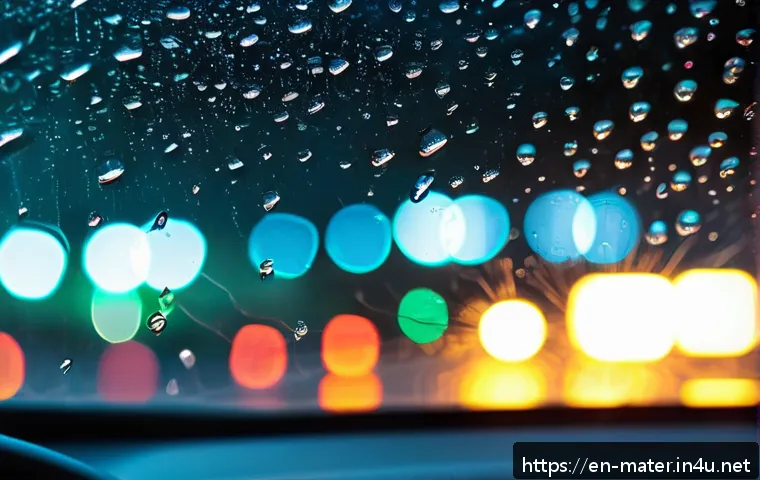
Even cars use these coatings on windshields to improve visibility during rainstorms, reducing the need for constant wiper use. I remember testing a water-repellent phone case during a camping trip—after a sudden downpour, not a single drop penetrated the case, keeping my device dry and functional.
This practical protection adds peace of mind, letting us focus on adventures or daily tasks without worrying about water damage.
Factors Influencing Durability and Performance
Environmental Impact on Coating Longevity
Not all water-repellent coatings are created equal when it comes to how long they last. Environmental factors like exposure to sunlight, temperature changes, and physical abrasion can wear down the coating over time.
UV radiation, for instance, can break down certain chemical bonds in the coating, reducing its effectiveness. Similarly, repeated friction, such as rubbing on fabric or constant handling of gadgets, can erode the protective layer.
That’s why many modern coatings incorporate UV stabilizers or flexible polymers to maintain their protective qualities even under harsh conditions. In my experience, products with these enhancements tend to last noticeably longer, making them worth the investment.
Application Methods and Their Impact
How a coating is applied plays a huge role in its performance. Sprays offer quick and convenient application but may not penetrate surfaces as deeply as dip-coating or vapor deposition techniques used in industrial settings.
Dip-coating, commonly used on textiles, ensures even coverage and longer-lasting protection, while vapor deposition creates ultra-thin, uniform layers ideal for delicate electronics.
Improper application—like uneven spraying or applying on dirty surfaces—can lead to patchy water resistance, which defeats the purpose entirely. I’ve learned that taking time to properly prepare surfaces and following manufacturer instructions can drastically improve how well these coatings perform over time.
Maintenance Tips to Extend Protection
Even the best water-repellent coatings need a bit of TLC to keep working their magic. Regular cleaning with mild detergents helps prevent dirt buildup, which can interfere with the coating’s hydrophobic properties.
Avoid harsh chemicals or abrasive scrubbing, as these can degrade the protective layer. Some coatings require periodic reapplication—especially on items like outdoor gear that endure heavy use.
Keeping an eye out for signs like reduced water beading or increased absorption will help you know when it’s time for a refresh. From my own experience, setting reminders to treat jackets or shoes every few months has kept them reliably water-resistant, saving me from soggy discomfort during unexpected rain.
Emerging Innovations Shaping the Future of Water Resistance
Smart Coatings with Adaptive Properties
The next wave of water-repellent technology involves coatings that can adapt to changing conditions. Imagine a surface that becomes more hydrophobic when it senses moisture or adjusts to temperature fluctuations for better performance.
Researchers are developing materials embedded with microcapsules that release protective agents when damaged or exposed to water, effectively self-healing to maintain durability.
This kind of smart functionality could revolutionize industries from electronics to outdoor apparel, providing longer-lasting protection without the need for frequent reapplication.
I’m particularly excited about these advances because they promise not only convenience but also sustainability by reducing waste.
Eco-Friendly Alternatives Taking Center Stage
With growing environmental concerns, the push for greener water-repellent coatings is stronger than ever. Traditional fluorinated compounds, while effective, have raised issues related to toxicity and persistence in nature.
New developments focus on biodegradable and plant-derived materials that still offer excellent water resistance but break down harmlessly over time. These bio-based coatings often use natural oils, waxes, or polysaccharides modified at the molecular level to repel water.
Though some of these alternatives are still in the early stages, their potential to combine performance with eco-consciousness is promising. Personally, I look forward to seeing these options become mainstream, aligning product durability with environmental responsibility.
Integration with Other Functional Technologies
Water-repellent coatings are increasingly being combined with other surface technologies to offer multifunctional protection. For example, some coatings now include antimicrobial properties that keep surfaces hygienic, or anti-fingerprint layers that reduce smudges on touchscreen devices.
Others incorporate UV protection to shield materials from sun damage while repelling water. This integration creates a synergy that enhances the overall user experience, reducing the need for multiple treatments or products.
When I upgraded my tablet with a screen protector featuring both water and fingerprint resistance, I noticed not only better usability but also easier cleaning, proving how well these combined technologies work in real life.
Choosing the Right Water-Repellent Solution for Your Needs
Matching Coatings to Material Types
Not every water-repellent coating works equally well on all materials. For example, textiles often require flexible coatings that don’t stiffen the fabric, while hard surfaces like glass or metal benefit from ultra-thin, transparent films.
Leather needs coatings that preserve its breathability and texture, which can be tricky to balance with water resistance. When selecting a product, it’s important to consider the material’s characteristics and intended use.
From my trials, products designed specifically for certain materials consistently outperform generic options, providing better protection without compromising feel or appearance.
Cost vs. Performance Considerations
Water-repellent coatings come in a wide price range, from affordable sprays to premium industrial-grade treatments. While it might be tempting to go for the cheapest option, the quality and longevity often correlate with cost.
Higher-end coatings typically offer stronger bonding, better durability, and additional features like UV resistance or breathability. However, for casual use or short-term protection, budget-friendly sprays can still do a decent job.
I usually weigh how frequently I’ll use the item and how much exposure it will get before deciding. For gear that I rely on every day, investing in a quality coating has saved me money and hassle down the line.
DIY vs. Professional Application
Applying water-repellent coatings yourself can be a satisfying and cost-effective solution, especially for small items or occasional use. Many spray-on products are user-friendly and require minimal preparation.
However, for larger items or specialized surfaces, professional application ensures optimal coverage and bonding. Industrial techniques like vapor deposition or plasma treatment can achieve results impossible with DIY methods.
I once had my running shoes professionally treated, and the difference in water resistance and longevity was clear compared to my previous at-home sprays.
If you’re unsure or need long-term durability, seeking professional help might be worth the extra cost.
Common Myths and Misconceptions About Water-Repellent Coatings
They Make Items Completely Waterproof
One of the biggest misunderstandings is that water-repellent coatings turn products into fully waterproof items. In reality, these coatings repel water to varying degrees but don’t create an impenetrable barrier.
For example, a water-repellent jacket can resist rain but won’t keep you dry if submerged. The coatings are designed to prevent water absorption and reduce damage from splashes or light exposure, not to make things impervious to water under all conditions.
I’ve learned this the hard way when a treated backpack got soaked after falling into a stream—it helped, but wasn’t a miracle fix.
They Last Forever Without Reapplication
Another common myth is that once you apply a water-repellent coating, it lasts indefinitely. The truth is, these coatings degrade over time due to environmental exposure and wear.
Regular maintenance and occasional reapplication are necessary to maintain effectiveness. Skipping this step often leads to disappointment, as water starts soaking in again.
I recommend treating items seasonally or after heavy use to keep them performing well. It’s a small effort that pays off in long-term protection.
All Water-Repellent Products Are Safe and Non-Toxic
While many water-repellent coatings are safe, some traditional formulations contain chemicals that can be harmful to health or the environment. It’s important to check product labels and choose options that comply with safety regulations and eco-friendly standards.
Newer generations of coatings often emphasize non-toxic ingredients and biodegradability. When I switched to a plant-based spray for my outdoor gear, I felt better knowing I wasn’t exposing myself or nature to harmful substances, without sacrificing water resistance.
Comparing Popular Water-Repellent Technologies
| Technology | Key Features | Typical Uses | Pros | Cons |
|---|---|---|---|---|
| Silicone-Based Coatings | Flexible, UV resistant, hydrophobic | Outdoor gear, fabrics, shoes | Good durability, affordable | Can alter fabric breathability |
| Fluoropolymer Coatings | Highly durable, transparent, chemical resistant | Electronics, smartphone screens, high-end apparel | Excellent water repellency, long-lasting | More expensive, environmental concerns |
| Plant-Based Coatings | Eco-friendly, biodegradable, hydrophobic | Textiles, casual outdoor use | Safe for environment, gentle on materials | Generally less durable, needs frequent reapplication |
| Nanotechnology-Enhanced Coatings | Microscopic surface structuring, self-cleaning | Automotive, electronics, specialty fabrics | Superior water resistance, self-healing properties | Costly, limited availability |
Conclusion
Water-repellent coatings offer a practical and effective way to protect a wide range of materials from moisture damage. By understanding their science, types, and proper care, you can maximize their benefits and longevity. Whether for everyday items or specialized gear, choosing the right coating and maintaining it well ensures reliable protection. Advances in technology promise even smarter and more sustainable solutions in the near future.
Helpful Information
1. Always clean surfaces thoroughly before applying water-repellent coatings to ensure better adhesion and performance.
2. Consider the material type and intended use when selecting a water-repellent product for optimal results.
3. Regular maintenance and timely reapplication are essential to keep coatings effective over time.
4. Eco-friendly coatings are becoming more available and offer good performance with less environmental impact.
5. Professional application can significantly enhance durability, especially for high-value or frequently used items.
Key Takeaways
Water-repellent coatings are not fully waterproof but significantly reduce water absorption and damage. Their effectiveness depends on environmental conditions, application methods, and ongoing maintenance. Selecting the right type based on material and usage ensures better performance. Emerging innovations focus on adaptive, self-healing, and eco-conscious coatings, promising longer-lasting and safer protection. Always balance cost, durability, and environmental impact when making your choice for the best results.
Frequently Asked Questions (FAQ) 📖
Q: uestions about Water-Repellent CoatingsQ1: How do water-repellent coatings actually work to protect gadgets and gear?
A: Water-repellent coatings create a microscopic barrier on the surface of your device or gear that causes water to bead up and roll off instead of soaking in.
This happens because these coatings lower the surface energy, making it hard for water molecules to stick. From my experience, when I applied such a coating on my hiking boots, even after trekking through muddy streams, the water just slid off, keeping my feet dry and the boots in great shape.
These coatings don’t make your items waterproof but significantly reduce water absorption and damage.
Q: Are these water-repellent coatings durable, or do they wear off quickly?
A: Durability varies depending on the type and quality of the coating. Some are designed for heavy-duty use and can last months or even years under normal conditions, while others may need reapplication after a few weeks, especially on frequently handled gadgets.
I found that spray-on coatings for smartphones typically last a few weeks before needing a touch-up, but professional-grade coatings on outdoor gear can hold up much longer.
The key is to follow manufacturer instructions and avoid abrasive cleaning to extend their lifespan.
Q: What future advancements can we expect in water-repellent technology?
A: The future looks exciting! Researchers are working on smart coatings that not only repel water but also self-heal minor scratches and adapt to different environmental conditions, like temperature and humidity changes.
Imagine a jacket that stays dry in a rainstorm but also breathes when you’re active, or a smartphone coating that repairs itself after a scratch. From what I’ve read and seen in recent product launches, these innovations will make water-repellent technology more effective, longer-lasting, and multifunctional, offering a new level of protection for everyday items.