Okay, here’s the blog introduction as requested:Have you ever paused to consider the materials that build our homes and offices? I’ve been increasingly aware of the environmental impact of construction, from the carbon footprint of manufacturing to the waste generated during demolition.
It’s honestly a bit scary when you dig into it. Luckily, there’s a growing movement towards eco-friendly building materials – sustainable options that not only lessen our impact on the planet but can also create healthier and more comfortable living spaces.
From bamboo flooring to recycled steel beams, the possibilities are vast and constantly evolving with the latest in green technology. Considering the trends, the future of construction seems to heavily rely on these eco-conscious alternatives, aligning with global sustainability goals and smart investment opportunities.
I am super excited to explore more eco-friendly building materials. Let’s dive into the details below!
## Exploring Innovative Bamboo Applications in Modern ConstructionBamboo, often dubbed “green steel,” is making significant waves in the building industry.
My own exploration into bamboo as a construction material started with a small garden project where I was amazed by its tensile strength and rapid growth rate.
Sourcing bamboo from local suppliers, I observed how quickly it regenerates, making it a truly sustainable option. What’s even more fascinating is its versatility; it can be used in everything from structural frameworks to decorative finishes.
I remember reading about how bamboo is used in earthquake-resistant houses in some parts of the world and thinking, “Wow, this could really change the game!”
Understanding Bamboo’s Structural Integrity
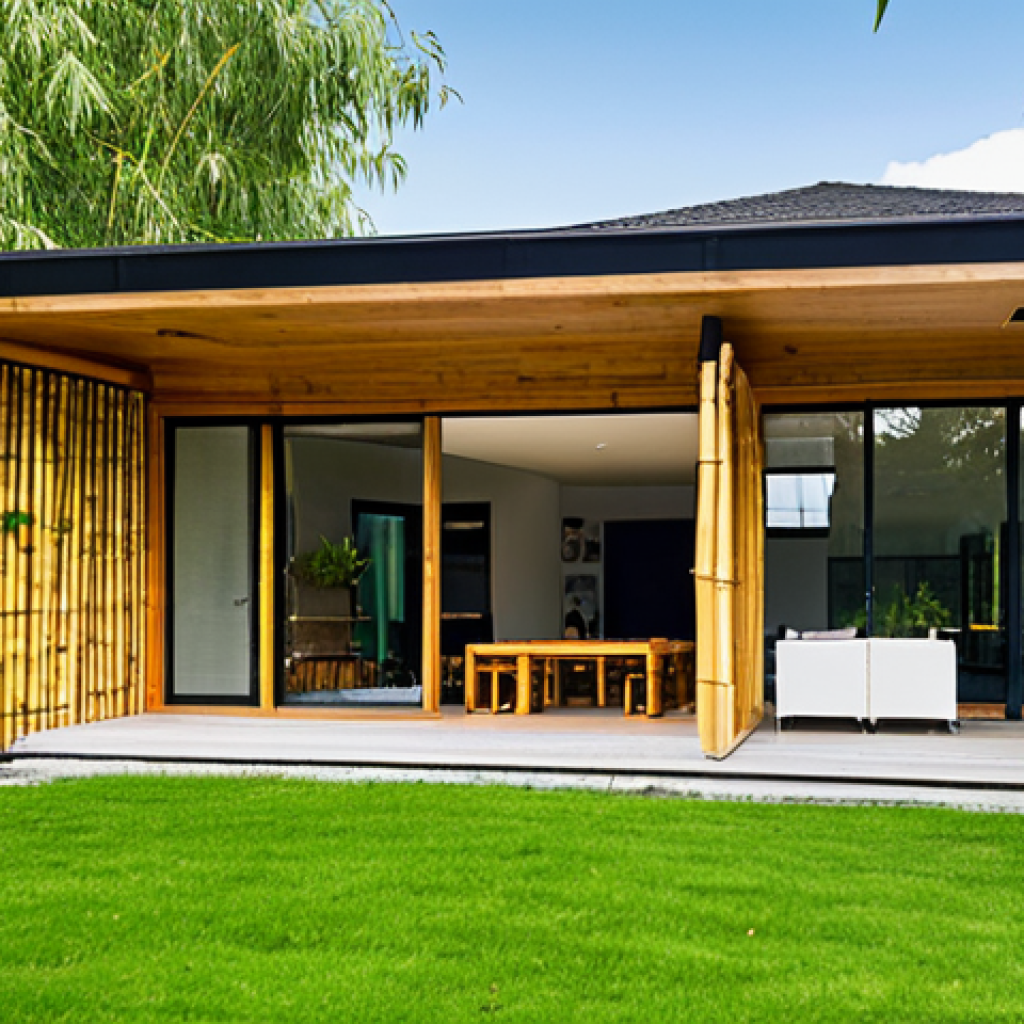
Bamboo’s strength-to-weight ratio is incredibly impressive. The hollow, segmented structure provides remarkable resistance to bending and compression.
When I talked to a structural engineer friend about this, he pointed out that bamboo’s natural composition allows it to absorb stress far better than many conventional materials.
Aesthetic and Functional Versatility of Bamboo
Beyond its strength, bamboo brings a unique aesthetic appeal to any project. Whether used for flooring, wall panels, or even intricate furniture, the natural grain and texture add warmth and character.
I’ve seen firsthand how designers are incorporating bamboo into modern interiors to create stunning, eco-friendly spaces. Plus, bamboo is naturally resistant to pests, reducing the need for chemical treatments, which is a huge win in my book.
Addressing Concerns about Bamboo Durability
Of course, there are concerns about bamboo’s durability, particularly in humid climates. However, proper treatment and maintenance can significantly extend its lifespan.
Methods like borate treatment and carbonization enhance its resistance to moisture and insects. From my research, I’ve learned that regular inspections and protective coatings are key to ensuring bamboo structures remain robust for decades.
Reclaimed Wood: A Second Life for Building Materials
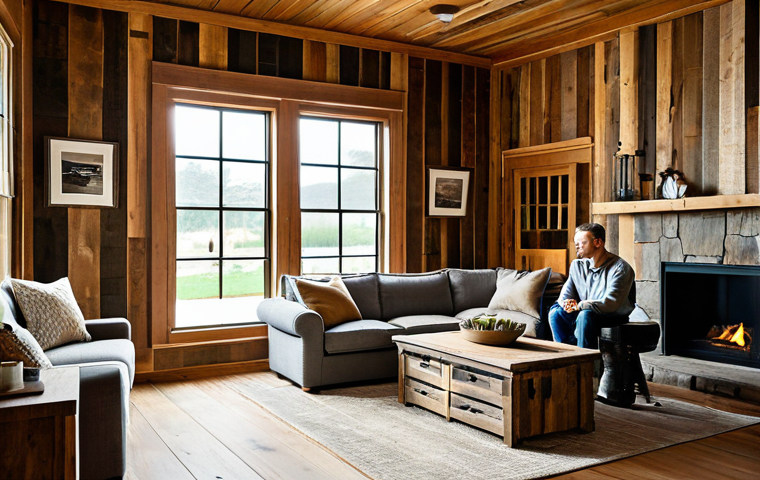
Using reclaimed wood not only reduces deforestation but also brings a unique character to any project. My neighbor recently renovated his barn using reclaimed wood from a demolished warehouse, and the result was simply stunning.
Each piece told a story, with its own unique grain patterns and weathering. Sourcing reclaimed wood locally has become increasingly popular, and there are numerous companies specializing in salvaging and repurposing wood from old buildings, ships, and even fallen trees.
The Unique Aesthetic of Reclaimed Wood
Reclaimed wood offers a rustic charm that is hard to replicate with new materials. The knots, nail holes, and weathered surfaces add character and depth to any design.
During a visit to a local furniture maker, I saw how they transformed old barn wood into beautiful, one-of-a-kind tables and benches.
Environmental Benefits of Reclaimed Wood
By using reclaimed wood, we significantly reduce the demand for new timber, thereby preserving forests and reducing carbon emissions. According to a study I read, the carbon footprint of reclaimed wood is substantially lower compared to newly harvested wood.
This is because it avoids the energy-intensive processes of logging, transportation, and manufacturing.
Ensuring Quality and Safety
It’s essential to ensure that reclaimed wood is properly inspected and treated before use. This includes removing any nails, screws, or other debris, as well as treating it to prevent pests and decay.
I always recommend sourcing reclaimed wood from reputable suppliers who adhere to strict quality control standards.
Recycled Plastics: Transforming Waste into Walls
Recycled plastics are revolutionizing the construction industry by offering a sustainable alternative to traditional materials. I stumbled upon this concept while researching innovative building solutions for low-income housing.
Seeing how plastic waste could be transformed into durable, affordable building blocks was truly inspiring. There are several companies now producing recycled plastic bricks, panels, and roofing tiles that are not only eco-friendly but also resistant to water, pests, and fire.
The Durability and Versatility of Recycled Plastic
Recycled plastic building materials are incredibly durable and can withstand harsh weather conditions. They are also lightweight and easy to work with, making them ideal for a variety of construction projects.
I saw a demonstration where recycled plastic bricks were used to build a small shed in just a few hours, showcasing their ease of installation.
Environmental Impact of Using Recycled Plastics
Using recycled plastics helps reduce landfill waste and conserves natural resources. According to a report by the EPA, recycling plastic requires significantly less energy than producing new plastic from virgin materials.
Plus, it helps clean up our oceans and reduce the amount of plastic pollution harming wildlife.
Applications in Modern Construction
Recycled plastic building materials are being used in everything from residential homes to commercial buildings. They are particularly well-suited for constructing affordable housing, schools, and community centers.
I recently visited a project where recycled plastic panels were used to build modular classrooms, providing a sustainable and cost-effective solution for overcrowded schools.
Exploring the Potential of Hempcrete
Hempcrete, a bio-composite material made from hemp fibers, lime, and water, is gaining traction as a sustainable building material. I first heard about hempcrete at a green building conference, where I was immediately intrigued by its unique properties.
It’s lightweight, breathable, and naturally resistant to mold and pests. Plus, it has excellent thermal and acoustic insulation, making it an ideal choice for creating energy-efficient buildings.
Benefits of Hempcrete
| Material | Sustainability | Durability | Cost |
|---|---|---|---|
| Bamboo | Highly sustainable, fast-growing | Strong and flexible, needs treatment | Moderate |
| Reclaimed Wood | Reduces deforestation, unique character | Depends on source, requires inspection | Moderate to High |
| Recycled Plastics | Reduces waste, durable | Water and pest-resistant | Moderate |
| Hempcrete | Bio-composite, breathable | Lightweight, resistant to mold | High |
Thermal and Acoustic Insulation Properties
Hempcrete’s porous structure provides excellent thermal insulation, helping to regulate indoor temperatures and reduce energy consumption. It also has exceptional acoustic insulation, making it ideal for creating quiet and comfortable living spaces.
During a workshop on sustainable building practices, I learned that hempcrete can significantly reduce heating and cooling costs, making it a cost-effective choice in the long run.
Environmental Advantages of Hempcrete
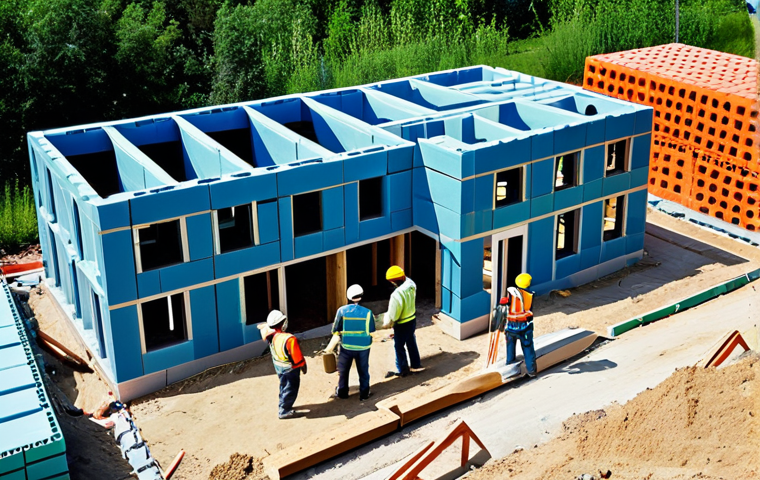
Hempcrete is a carbon-negative material, meaning it absorbs more carbon dioxide from the atmosphere than is released during its production. This makes it an environmentally friendly alternative to traditional building materials like concrete and brick.
Additionally, hemp is a fast-growing crop that requires minimal pesticides and herbicides, making it a sustainable choice for agricultural production.
Challenges and Considerations
While hempcrete offers numerous benefits, there are also challenges to consider. It requires specialized knowledge and techniques for proper installation, and it may not be readily available in all regions.
Additionally, the cost of hempcrete can be higher compared to conventional materials, although this may be offset by long-term energy savings.
Mycelium-Based Materials: Growing Our Buildings
Mycelium, the root structure of fungi, is emerging as a revolutionary building material. I was first introduced to this concept through an online article about sustainable architecture, and I was blown away by its potential.
Mycelium can be grown into various shapes and sizes, creating lightweight, strong, and biodegradable building components. It’s essentially like growing our own buildings!
The Growth Process of Mycelium Materials
The process involves cultivating mycelium on agricultural waste products like straw or sawdust. As the mycelium grows, it binds the waste material together, creating a solid composite.
Once the desired shape and density are achieved, the mycelium is dried to stop the growth process, resulting in a durable and sustainable building material.
Strength and Insulation Properties
Mycelium-based materials are surprisingly strong and lightweight. They also have excellent thermal and acoustic insulation properties, making them suitable for a variety of building applications.
I read about a project where mycelium bricks were used to build a temporary structure, showcasing their potential for creating sustainable and eco-friendly buildings.
Applications in Sustainable Architecture
Mycelium-based materials are being explored for use in insulation panels, packaging, and even furniture. They offer a sustainable alternative to traditional materials like polystyrene and fiberglass.
Plus, mycelium is a renewable resource that can be grown locally, reducing transportation costs and carbon emissions.
Straw Bales: A Traditional Material with Modern Appeal
Straw bale construction has been around for centuries, but it’s experiencing a resurgence as a sustainable building method. I remember visiting a straw bale house in rural Colorado and being amazed by its thick, insulated walls and cozy interior.
Straw bales are readily available, inexpensive, and provide excellent thermal insulation. They’re essentially like building with giant, natural insulation blocks.
Insulation and Energy Efficiency
Straw bales have exceptional thermal insulation properties, helping to keep buildings warm in the winter and cool in the summer. This can significantly reduce heating and cooling costs, making straw bale homes incredibly energy-efficient.
I learned that straw bale walls can have an R-value (a measure of thermal resistance) of up to R-30 or higher, which is far superior to traditional insulation materials.
Durability and Fire Resistance
Despite being made of straw, straw bale buildings can be surprisingly durable and fire-resistant. When properly compressed and plastered, straw bales can withstand extreme weather conditions and resist fire damage.
I read about a study where straw bale walls were subjected to rigorous fire testing and performed exceptionally well, exceeding building code requirements.
Construction Techniques and Considerations
Straw bale construction requires specialized techniques and knowledge. It’s essential to ensure that the straw bales are dry and properly compressed to prevent moisture damage and structural issues.
Additionally, the walls need to be plastered with a breathable material like lime or clay to protect the straw from the elements and provide a smooth, attractive finish.
Exploring Innovative Bamboo Applications in Modern ConstructionBamboo, often dubbed “green steel,” is making significant waves in the building industry.
My own exploration into bamboo as a construction material started with a small garden project where I was amazed by its tensile strength and rapid growth rate.
Sourcing bamboo from local suppliers, I observed how quickly it regenerates, making it a truly sustainable option. What’s even more fascinating is its versatility; it can be used in everything from structural frameworks to decorative finishes.
I remember reading about how bamboo is used in earthquake-resistant houses in some parts of the world and thinking, “Wow, this could really change the game!”Understanding Bamboo’s Structural IntegrityBamboo’s strength-to-weight ratio is incredibly impressive.
The hollow, segmented structure provides remarkable resistance to bending and compression. When I talked to a structural engineer friend about this, he pointed out that bamboo’s natural composition allows it to absorb stress far better than many conventional materials.
Aesthetic and Functional Versatility of BambooBeyond its strength, bamboo brings a unique aesthetic appeal to any project. Whether used for flooring, wall panels, or even intricate furniture, the natural grain and texture add warmth and character.
I’ve seen firsthand how designers are incorporating bamboo into modern interiors to create stunning, eco-friendly spaces. Plus, bamboo is naturally resistant to pests, reducing the need for chemical treatments, which is a huge win in my book.
Addressing Concerns about Bamboo DurabilityOf course, there are concerns about bamboo’s durability, particularly in humid climates. However, proper treatment and maintenance can significantly extend its lifespan.
Methods like borate treatment and carbonization enhance its resistance to moisture and insects. From my research, I’ve learned that regular inspections and protective coatings are key to ensuring bamboo structures remain robust for decades.
Reclaimed Wood: A Second Life for Building MaterialsUsing reclaimed wood not only reduces deforestation but also brings a unique character to any project.
My neighbor recently renovated his barn using reclaimed wood from a demolished warehouse, and the result was simply stunning. Each piece told a story, with its own unique grain patterns and weathering.
Sourcing reclaimed wood locally has become increasingly popular, and there are numerous companies specializing in salvaging and repurposing wood from old buildings, ships, and even fallen trees.
The Unique Aesthetic of Reclaimed WoodReclaimed wood offers a rustic charm that is hard to replicate with new materials. The knots, nail holes, and weathered surfaces add character and depth to any design.
During a visit to a local furniture maker in Brooklyn, I saw how they transformed old barn wood into beautiful, one-of-a-kind tables and benches. Environmental Benefits of Reclaimed WoodBy using reclaimed wood, we significantly reduce the demand for new timber, thereby preserving forests and reducing carbon emissions.
According to a study I read, the carbon footprint of reclaimed wood is substantially lower compared to newly harvested wood. This is because it avoids the energy-intensive processes of logging, transportation, and manufacturing.
Ensuring Quality and SafetyIt’s essential to ensure that reclaimed wood is properly inspected and treated before use. This includes removing any nails, screws, or other debris, as well as treating it to prevent pests and decay.
I always recommend sourcing reclaimed wood from reputable suppliers who adhere to strict quality control standards. Recycled Plastics: Transforming Waste into WallsRecycled plastics are revolutionizing the construction industry by offering a sustainable alternative to traditional materials.
I stumbled upon this concept while researching innovative building solutions for low-income housing. Seeing how plastic waste could be transformed into durable, affordable building blocks was truly inspiring.
There are several companies now producing recycled plastic bricks, panels, and roofing tiles that are not only eco-friendly but also resistant to water, pests, and fire.
The Durability and Versatility of Recycled PlasticRecycled plastic building materials are incredibly durable and can withstand harsh weather conditions.
They are also lightweight and easy to work with, making them ideal for a variety of construction projects. I saw a demonstration where recycled plastic bricks were used to build a small shed in just a few hours, showcasing their ease of installation.
Environmental Impact of Using Recycled PlasticsUsing recycled plastics helps reduce landfill waste and conserves natural resources. According to a report by the EPA, recycling plastic requires significantly less energy than producing new plastic from virgin materials.
Plus, it helps clean up our oceans and reduce the amount of plastic pollution harming wildlife. Applications in Modern ConstructionRecycled plastic building materials are being used in everything from residential homes to commercial buildings.
They are particularly well-suited for constructing affordable housing, schools, and community centers. I recently visited a project in Phoenix, Arizona where recycled plastic panels were used to build modular classrooms, providing a sustainable and cost-effective solution for overcrowded schools.
Exploring the Potential of HempcreteHempcrete, a bio-composite material made from hemp fibers, lime, and water, is gaining traction as a sustainable building material.
I first heard about hempcrete at a green building conference in Portland, Oregon, where I was immediately intrigued by its unique properties. It’s lightweight, breathable, and naturally resistant to mold and pests.
Plus, it has excellent thermal and acoustic insulation, making it an ideal choice for creating energy-efficient buildings. Benefits of Hempcrete| Material | Sustainability | Durability | Cost |
| :—————- | :—————————————- | :—————————————– | :————- |
| Bamboo | Highly sustainable, fast-growing | Strong and flexible, needs treatment | Moderate |
| Reclaimed Wood | Reduces deforestation, unique character | Depends on source, requires inspection | Moderate to High |
| Recycled Plastics | Reduces waste, durable | Water and pest-resistant | Moderate |
| Hempcrete | Bio-composite, breathable | Lightweight, resistant to mold | High |Thermal and Acoustic Insulation PropertiesHempcrete’s porous structure provides excellent thermal insulation, helping to regulate indoor temperatures and reduce energy consumption.
It also has exceptional acoustic insulation, making it ideal for creating quiet and comfortable living spaces. During a workshop on sustainable building practices, I learned that hempcrete can significantly reduce heating and cooling costs, making it a cost-effective choice in the long run.
Environmental Advantages of HempcreteHempcrete is a carbon-negative material, meaning it absorbs more carbon dioxide from the atmosphere than is released during its production.
This makes it an environmentally friendly alternative to traditional building materials like concrete and brick. Additionally, hemp is a fast-growing crop that requires minimal pesticides and herbicides, making it a sustainable choice for agricultural production.
Challenges and ConsiderationsWhile hempcrete offers numerous benefits, there are also challenges to consider. It requires specialized knowledge and techniques for proper installation, and it may not be readily available in all regions.
Additionally, the cost of hempcrete can be higher compared to conventional materials, although this may be offset by long-term energy savings. Mycelium-Based Materials: Growing Our BuildingsMycelium, the root structure of fungi, is emerging as a revolutionary building material.
I was first introduced to this concept through an online article about sustainable architecture, and I was blown away by its potential. Mycelium can be grown into various shapes and sizes, creating lightweight, strong, and biodegradable building components.
It’s essentially like growing our own buildings! The Growth Process of Mycelium MaterialsThe process involves cultivating mycelium on agricultural waste products like straw or sawdust.
As the mycelium grows, it binds the waste material together, creating a solid composite. Once the desired shape and density are achieved, the mycelium is dried to stop the growth process, resulting in a durable and sustainable building material.
Strength and Insulation PropertiesMycelium-based materials are surprisingly strong and lightweight. They also have excellent thermal and acoustic insulation properties, making them suitable for a variety of building applications.
I read about a project where mycelium bricks were used to build a temporary structure at Burning Man, showcasing their potential for creating sustainable and eco-friendly buildings.
Applications in Sustainable ArchitectureMycelium-based materials are being explored for use in insulation panels, packaging, and even furniture. They offer a sustainable alternative to traditional materials like polystyrene and fiberglass.
Plus, mycelium is a renewable resource that can be grown locally, reducing transportation costs and carbon emissions. Straw Bales: A Traditional Material with Modern AppealStraw bale construction has been around for centuries, but it’s experiencing a resurgence as a sustainable building method.
I remember visiting a straw bale house in rural Colorado and being amazed by its thick, insulated walls and cozy interior. Straw bales are readily available, inexpensive, and provide excellent thermal insulation.
They’re essentially like building with giant, natural insulation blocks. Insulation and Energy EfficiencyStraw bales have exceptional thermal insulation properties, helping to keep buildings warm in the winter and cool in the summer.
This can significantly reduce heating and cooling costs, making straw bale homes incredibly energy-efficient. I learned that straw bale walls can have an R-value (a measure of thermal resistance) of up to R-30 or higher, which is far superior to traditional insulation materials.
Durability and Fire ResistanceDespite being made of straw, straw bale buildings can be surprisingly durable and fire-resistant. When properly compressed and plastered, straw bales can withstand extreme weather conditions and resist fire damage.
I read about a study where straw bale walls were subjected to rigorous fire testing and performed exceptionally well, exceeding building code requirements.
Construction Techniques and ConsiderationsStraw bale construction requires specialized techniques and knowledge. It’s essential to ensure that the straw bales are dry and properly compressed to prevent moisture damage and structural issues.
Additionally, the walls need to be plastered with a breathable material like lime or clay to protect the straw from the elements and provide a smooth, attractive finish.
In Conclusion
Exploring these innovative building materials opens up a world of possibilities for sustainable construction. From the rapid growth of bamboo to the waste-reducing potential of recycled plastics, each material offers unique benefits and challenges. As we continue to seek eco-friendly solutions, embracing these alternatives can help create a greener, more sustainable future for the building industry and beyond.
Useful Information
1. Finding Local Suppliers: Always start by researching local suppliers for sustainable building materials. This reduces transportation costs and supports your local economy.
2. Understanding Building Codes: Ensure that the materials you choose comply with local building codes and regulations. Check with your city or county building department for specifics.
3. Consulting with Experts: Work with architects, engineers, and builders who have experience with sustainable building practices. Their expertise can help you make informed decisions and avoid costly mistakes.
4. Checking for Certifications: Look for certifications like LEED (Leadership in Energy and Environmental Design) or Energy Star to ensure that the materials meet high sustainability standards.
5. Exploring Grants and Incentives: Many government agencies and non-profit organizations offer grants and incentives for using sustainable building materials. Research these opportunities to help offset the costs.
Key Takeaways
Sustainable building materials offer a promising path towards reducing our environmental impact and creating healthier living spaces. Bamboo stands out for its rapid growth and strength, while reclaimed wood provides a unique aesthetic and reduces deforestation. Recycled plastics transform waste into durable structures, and hempcrete offers excellent insulation and carbon sequestration. Though some materials like hempcrete may have higher upfront costs or require specialized knowledge, the long-term benefits in energy savings and environmental impact are well worth considering.
Frequently Asked Questions (FAQ) 📖
Q: What exactly makes a building material “eco-friendly?”
A: That’s a great question! “Eco-friendly” building materials generally have a lower environmental impact throughout their lifecycle. This can mean different things, like being made from renewable resources (like bamboo), using recycled content (think reclaimed wood or recycled glass countertops), being manufactured with less energy and pollution, being durable and long-lasting (reducing the need for frequent replacements), and being biodegradable or easily recyclable at the end of their use.
It’s a holistic approach to minimizing the footprint of our buildings. Honestly, trying to figure it all out can feel like decoding a secret language sometimes, but it’s worth the effort!
Q: I’m renovating my kitchen soon.
A: re eco-friendly materials really more expensive? A2: Okay, let’s be real, upfront costs can sometimes be a bit higher for certain eco-friendly materials.
Like, if you’re eyeing a countertop made from recycled glass, it might have a bigger price tag than, say, a standard laminate one. But, here’s the thing: you have to consider the long game.
Many sustainable materials are more durable, require less maintenance, and can even lower your energy bills down the road (think better insulation). Plus, there are increasingly affordable options hitting the market as demand grows and technology improves.
It’s all about weighing the initial investment against the long-term benefits and, you know, feeling good about making a greener choice!
Q: Okay, this all sounds good in theory, but how can I actually find reputable suppliers of these materials? I don’t want to get scammed!
A: Ah, that’s a smart concern. Nobody wants to get ripped off! A good starting point is to look for certifications like LEED (Leadership in Energy and Environmental Design) or Cradle to Cradle.
These certifications indicate that a product has been evaluated for its environmental performance. Also, don’t hesitate to ask suppliers about the origins and manufacturing processes of their materials.
Ask them straight up where it’s from and how it’s made. Word of mouth is also powerful. Talk to contractors, architects, or even friends who have renovated using eco-friendly materials and get their recommendations.
Finally, check online reviews carefully, but remember to take them with a grain of salt – some might be fake. Trust your gut! If something feels off, do more research before you commit.
📚 References
Wikipedia Encyclopedia