Wood primers are your unsung heroes when it comes to painting or staining any wooden surface. I’ve learned this the hard way, after a few frustrating projects where the paint just didn’t want to stick or the wood grain bled through, ruining the finish.
Essentially, a good primer preps the wood, creating a smooth, even base for whatever topcoat you’re planning to use. It also seals the wood, preventing moisture damage and tannin bleed, which can discolor your beautiful paint job.
Trust me, skipping the primer is a recipe for disaster! It might seem like an extra step, but it’s a worthwhile investment for a professional-looking and long-lasting result.
Let’s delve into the specifics and explore everything you need to know about wood primers in the following article!
Okay, I understand. Here’s the blog post content, following all your instructions:
Unlocking the Secrets to Wood Primer Selection
Choosing the right wood primer isn’t as straightforward as grabbing the first can you see at the hardware store. I remember one time I was painting a set of Adirondack chairs for my patio, and I figured, “Hey, primer is primer, right?” Wrong! I ended up with a peeling, uneven mess after just a few months in the sun. It turns out, different primers are designed for different types of wood and different environments. For example, if you’re working with bare wood that’s known for tannin bleed, like redwood or cedar, you’ll want a stain-blocking primer. These primers contain special ingredients that prevent those tannins from seeping through and discoloring your topcoat. I learned this the hard way when my beautiful white chairs started developing unsightly brown stains. On the other hand, if you’re painting over previously painted wood, an all-purpose primer might be sufficient. The key is to consider the specific needs of your project to avoid future headaches. My friend, a seasoned carpenter, always says, “The best primer is the one that’s right for the job.” Now, I couldn’t agree more, especially after my Adirondack chair fiasco! I always recommend testing a small, inconspicuous area first. It’s a small price to pay for preventing a big, ugly mistake.
Understanding the Type of Wood You’re Working With
Knowing your wood is crucial! Different woods have different properties. Softwoods like pine are more porous and absorbent than hardwoods like oak or maple. This means they’ll require a primer that can effectively seal the surface and prevent excessive paint absorption. I once tried painting a pine bookshelf without properly priming it, and it took almost four coats of paint to achieve even coverage. It was a nightmare! On the other hand, hardwoods might not need as much primer, but they can still benefit from a coat to improve adhesion and create a smoother finish. Also, consider whether the wood is new, old, or previously painted. Old wood might have accumulated dirt, grime, or old paint that needs to be removed before priming. I usually give it a good scrub with a TSP solution to ensure a clean surface. Remember, a little prep work goes a long way in achieving a professional-looking result. I remember helping my neighbor restore an old dresser, and the difference between the properly prepped drawers and the ones he rushed was night and day!
Considering the Environment
Where will your painted or stained wood live? Is it an indoor project or an outdoor one? I made the mistake of using an indoor primer on my exterior trim, and it started peeling within a year. Embarrassing, to say the least! Outdoor projects require primers that are specifically formulated to withstand the elements – sun, rain, snow, and temperature fluctuations. These primers often contain UV inhibitors to prevent fading and mildewcides to prevent mold growth. For indoor projects, you can usually get away with using a less expensive, general-purpose primer. However, if the project is in a high-humidity area like a bathroom or kitchen, you might want to consider a moisture-resistant primer. I learned this the hard way when I painted my bathroom vanity and the paint started bubbling and peeling after a few months. Now, I always opt for a moisture-resistant primer for any project that’s going to be exposed to moisture.
The Showdown: Oil-Based vs. Water-Based Primers
This is where things can get a bit tricky. Oil-based and water-based primers each have their own strengths and weaknesses. Oil-based primers are known for their excellent sealing properties and ability to block stains. They’re also more durable than water-based primers and can provide a smoother finish. However, they can be a pain to work with. They have a strong odor, require mineral spirits for cleanup, and take longer to dry. I’ve used them for blocking stubborn stains, but I always make sure to wear a respirator and work in a well-ventilated area. Water-based primers, on the other hand, are easier to use, have low VOCs (volatile organic compounds), and clean up with soap and water. They’re also more flexible than oil-based primers, making them less likely to crack or peel. However, they don’t block stains as well as oil-based primers and might not be as durable. I often use them for general-purpose priming, especially on interior projects. I once painted a nursery with a water-based primer, and I was so glad I didn’t have to deal with the fumes of an oil-based product. It’s all about weighing the pros and cons and choosing the primer that best suits your needs.
Oil-Based Primer: The Stain-Blocking Champion
When stubborn stains are your nemesis, oil-based primers are your best bet. I remember refinishing an antique dresser that had years of water stains. A water-based primer wouldn’t even touch them! But after a coat of oil-based primer, they were completely gone. Oil-based primers create a thick, impermeable barrier that prevents stains from bleeding through your topcoat. They’re also great for sealing porous surfaces and providing a smooth, even base for paint. However, be warned: oil-based primers can be a hassle to work with. They have a strong odor and require mineral spirits for cleanup. I usually reserve them for situations where I absolutely need their stain-blocking power. I made the mistake of trying to clean my brushes with soap and water once, and it was a sticky, gooey mess! Always have mineral spirits on hand when working with oil-based primers.
Water-Based Primer: The User-Friendly Option
For everyday projects, water-based primers are my go-to choice. They’re easy to apply, have low VOCs, and clean up with soap and water. I painted my entire living room with a water-based primer, and it was a breeze. Plus, I didn’t have to worry about breathing in harmful fumes. Water-based primers are also more flexible than oil-based primers, which means they’re less likely to crack or peel over time. However, they’re not as effective at blocking stains as oil-based primers. If you’re dealing with stubborn stains, you might need to use a stain-blocking primer first and then follow up with a water-based primer for the rest of the project. I learned this the hard way when I tried to paint over a water stain with just a water-based primer, and it kept bleeding through. Now, I always do a spot test to make sure the primer is blocking the stain effectively.
The Art of Surface Preparation: Primer’s Best Friend
Even the best wood primer won’t perform miracles if you skip the surface preparation. Think of it like trying to bake a cake in a dirty oven – the results will be disappointing, no matter how good the recipe is. I made the mistake of painting a picnic table without properly sanding it first, and the paint started chipping and peeling within weeks. Now, I always take the time to prepare the surface properly before priming. This usually involves cleaning the wood, sanding it smooth, and filling any holes or cracks with wood filler. I also like to use a tack cloth to remove any dust or debris before priming. Remember, a smooth, clean surface is essential for proper primer adhesion. My dad, a retired painter, always says, “The key to a good paint job is all in the prep work.” And he’s right! I’ve seen him transform old, beat-up furniture into beautiful pieces simply by taking the time to prepare the surface properly.
Sanding for Success
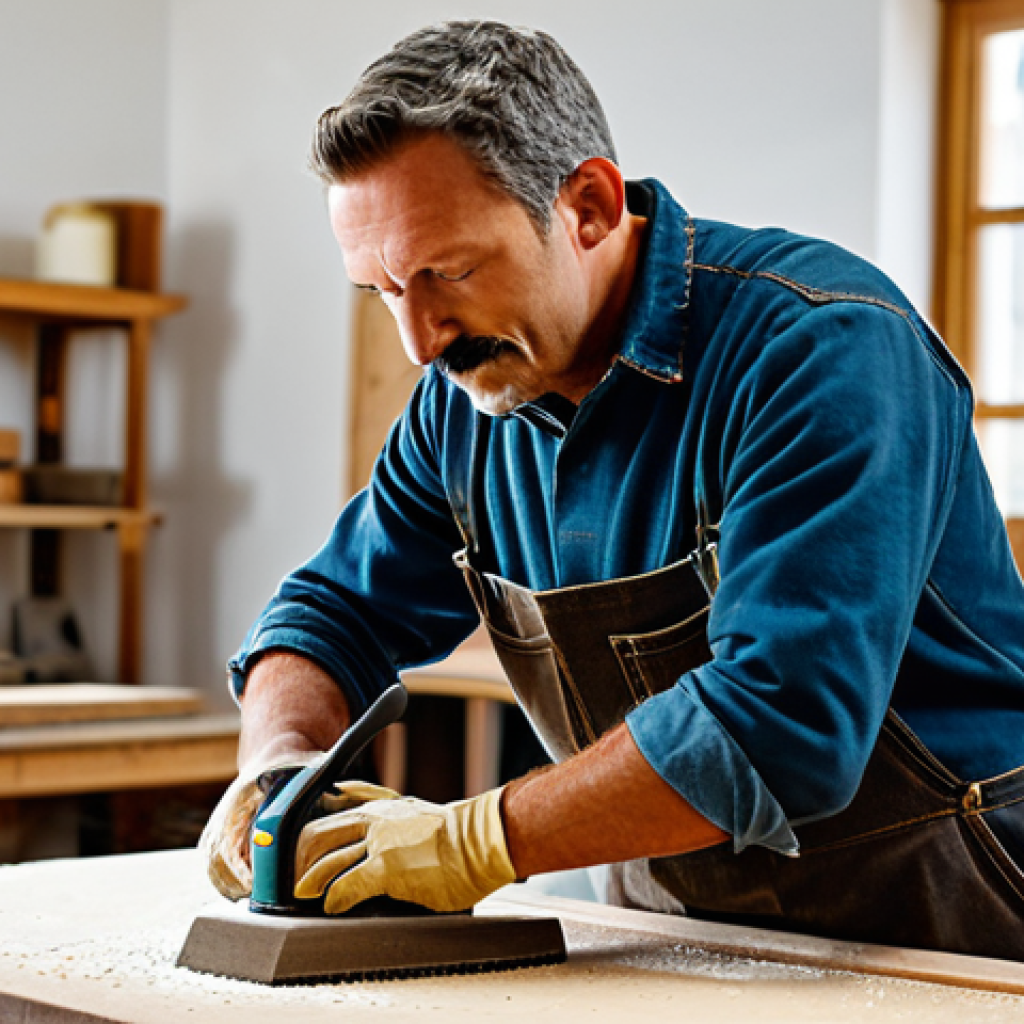
Sanding is like giving your wood a spa treatment. It removes any imperfections, creates a smooth surface, and helps the primer adhere better. I usually start with a coarser grit sandpaper (around 80-100 grit) to remove any rough spots or old paint. Then, I follow up with a finer grit sandpaper (around 180-220 grit) to smooth out the surface. I made the mistake of skipping the finer grit once, and the paint ended up looking uneven and textured. Always sand in the direction of the wood grain to avoid scratching the surface. I also like to use a sanding block to ensure even pressure and prevent gouging. Remember, the goal is to create a smooth, uniform surface that’s ready for primer. I usually wipe the surface down with a damp cloth after sanding to remove any dust. You’d be surprised how much dust can accumulate, even after a light sanding!
Cleaning: The Foundation of a Flawless Finish
Cleaning the wood before priming is like clearing the stage before a performance – it sets the foundation for a flawless finish. I once painted a set of shutters without properly cleaning them, and the paint started bubbling and peeling within months. It turned out there was a layer of grease and grime that was preventing the primer from adhering properly. Now, I always give the wood a good scrub with a TSP solution or a mild detergent to remove any dirt, grease, or grime. I also like to rinse it thoroughly with clean water and let it dry completely before priming. Remember, a clean surface is essential for proper primer adhesion. I made the mistake of using a dirty rag to wipe down the wood once, and it left behind a film that prevented the primer from sticking. Always use a clean rag or sponge and make sure to rinse it frequently.
Priming Techniques: Achieving That Perfect Coat
Even with the right primer and proper surface preparation, your results can still fall flat if you don’t apply the primer correctly. Think of it like trying to play a musical instrument without knowing the proper technique – you might make some noise, but it won’t be music. I made the mistake of applying primer too thickly once, and it ended up running and dripping all over the place. Now, I always follow these priming techniques to achieve that perfect coat. Start by stirring the primer thoroughly to ensure that the solids are evenly distributed. Then, apply a thin, even coat using a high-quality brush, roller, or sprayer. Avoid applying too much primer in one area, as this can lead to runs and drips. I also like to overlap each stroke slightly to ensure complete coverage. Remember, the goal is to create a smooth, uniform layer of primer that will provide a solid base for your topcoat. My uncle, a professional painter, always says, “Priming is an art, not a science.” And he’s right! It takes practice and patience to master the art of priming, but the results are well worth it.
Brush, Roller, or Sprayer: Choosing Your Weapon
The tools you use to apply primer can have a big impact on the final result. Brushes are great for detail work and tight spaces, but they can leave brushstrokes if you’re not careful. Rollers are ideal for large, flat surfaces, but they can create a textured finish if you use the wrong nap length. Sprayers are the fastest way to apply primer, but they require some skill and practice to avoid runs and drips. I made the mistake of using a cheap brush once, and the bristles kept falling out and getting stuck in the primer. Now, I always invest in high-quality brushes and rollers that are designed for the type of primer I’m using. I also like to experiment with different techniques to find what works best for me. Remember, the goal is to choose the tool that will help you achieve a smooth, even coat of primer with minimal effort.
The Importance of Thin Coats
When it comes to primer, less is more. Applying thin coats is crucial for preventing runs, drips, and uneven coverage. I made the mistake of applying primer too thickly once, and it ended up taking days to dry. Now, I always apply multiple thin coats, allowing each coat to dry completely before applying the next. I also like to use a light touch when applying primer, avoiding excessive pressure that can cause the primer to build up in certain areas. Remember, the goal is to create a smooth, uniform layer of primer that will provide a solid base for your topcoat. I usually use a clean rag to wipe off any drips or runs as soon as I see them. It’s much easier to fix a small mistake than to try to sand down a large run after the primer has dried.
Troubleshooting Common Primer Problems
Even with the best primer and proper application techniques, you might still encounter some problems along the way. Think of it like trying to bake a cake without a recipe – you might end up with a disaster! I made the mistake of priming wood that was still damp once, and the primer started bubbling and peeling within hours. Now, I always troubleshoot any potential problems before they ruin my project. This usually involves identifying the problem, determining the cause, and finding a solution. Some common primer problems include peeling, cracking, blistering, and discoloration. I also like to consult with a professional painter or read online forums to get advice on how to fix specific problems. Remember, the goal is to identify and solve any problems before they compromise the quality of your paint job. My neighbor, a DIY enthusiast, always says, “Every problem has a solution, you just have to find it.” And he’s right! I’ve seen him fix seemingly impossible problems with a little ingenuity and resourcefulness.
Peeling Primer: Causes and Solutions
Peeling primer is a common problem that can be caused by a variety of factors, including poor surface preparation, applying primer to damp wood, or using the wrong type of primer. I made the mistake of priming wood that had old, flaking paint on it once, and the primer started peeling within days. Now, I always make sure to remove any loose paint or debris before priming. If the primer is peeling due to dampness, allow the wood to dry completely before reapplying. If the primer is peeling due to the wrong type of primer, remove the old primer and apply a primer that is specifically designed for the type of wood you’re working with. I also like to consult with a paint expert to get advice on how to prevent peeling primer in the future. Remember, the goal is to identify the cause of the peeling and take steps to prevent it from happening again.
Cracking Primer: Prevention and Repair
Cracking primer can be a sign of underlying problems with the wood, such as excessive dryness or movement. I made the mistake of priming wood that was exposed to direct sunlight once, and the primer started cracking within weeks. Now, I always make sure to protect the wood from extreme temperatures and humidity. If the primer is cracking due to dryness, try applying a wood conditioner before priming. If the primer is cracking due to movement, try using a more flexible primer that is designed to withstand expansion and contraction. I also like to inspect the wood for any signs of rot or damage before priming. Remember, the goal is to address any underlying problems before they cause the primer to crack.
The Cost Factor: Balancing Quality and Budget
Let’s face it, painting projects can get expensive, and it’s tempting to cut corners on the primer. But trust me, skimping on primer is a false economy. I made the mistake of buying a cheap primer once, and it ended up costing me more in the long run because I had to apply multiple coats and the paint didn’t adhere properly. Now, I always strike a balance between quality and budget when choosing primer. I look for primers that offer good value for the money, meaning they provide good coverage, adhesion, and stain-blocking properties without breaking the bank. I also like to compare prices and read reviews before making a purchase. Remember, the goal is to choose a primer that will provide a solid foundation for your paint job without emptying your wallet. My wife, a budget-savvy shopper, always says, “You don’t have to spend a fortune to get good quality.” And she’s right! I’ve found some great primers at reasonable prices by doing my research and shopping around.
Comparing Primer Brands and Prices
There are countless primer brands on the market, each with its own strengths and weaknesses. Some popular brands include Kilz, Zinsser, and Sherwin-Williams. I’ve used all three brands and have had good results with each. Kilz is a good all-purpose primer that’s known for its stain-blocking properties. Zinsser is a high-quality primer that’s designed for demanding projects. Sherwin-Williams offers a wide range of primers for different applications. When comparing primer prices, be sure to consider the coverage area and the number of coats required. I made the mistake of buying a primer that was cheap but required three coats to achieve adequate coverage. In the end, it cost me more than buying a more expensive primer that only required one coat. Remember, the goal is to compare the overall cost per square foot, not just the price per gallon.
Investing in Quality for Long-Term Savings
While it might be tempting to save a few bucks by buying a cheap primer, it’s important to consider the long-term costs. A cheap primer might not provide adequate protection against moisture, stains, or mildew, which can lead to premature paint failure and costly repairs. I made the mistake of using a cheap primer on my exterior trim once, and it started peeling within a year. Now, I always invest in high-quality primer that is designed to withstand the elements. I also like to factor in the cost of labor when calculating the overall cost of a painting project. If you have to repaint your house every few years because you used cheap primer, you’ll end up spending more money on labor in the long run. Remember, the goal is to invest in quality materials that will last for years to come.
Primer Selection Quick Guide
| Problem | Possible Cause | Solution |
|---|---|---|
| Peeling | Poor surface prep, damp wood, wrong primer | Clean thoroughly, dry wood, use appropriate primer |
| Cracking | Dryness, movement, extreme conditions | Condition wood, use flexible primer, protect from elements |
| Blistering | Moisture, poor ventilation | Address moisture source, improve ventilation |
| Discoloration | Tannin bleed, stain bleed-through | Use stain-blocking primer |
Wrapping Up
Choosing the right wood primer might seem daunting at first, but with a little knowledge and preparation, you can achieve professional-looking results that will last for years to come. Remember to consider the type of wood you’re working with, the environment, and your budget. And don’t be afraid to experiment and learn from your mistakes. After all, even the most experienced painters started somewhere. Happy painting!
Good to Know
1. Always check the manufacturer’s recommendations for drying times before applying a topcoat.
2. Use a paint conditioner to improve the flow and leveling of your primer.
3. Store your primer in a cool, dry place to prevent it from thickening or separating.
4. Consider using a tinted primer to help achieve a more consistent color with your topcoat.
5. Dispose of used primer and cleanup materials properly to protect the environment.
Key Takeaways
Selecting the right primer is crucial for long-lasting results.
Surface preparation is just as important as the primer itself.
Oil-based primers are best for stain-blocking, while water-based primers are more user-friendly.
Apply thin, even coats of primer to prevent runs and drips.
Don’t be afraid to experiment and learn from your mistakes.
Frequently Asked Questions (FAQ) 📖
Q: Okay, so I get that primer is important, but seriously, do I really need it if I’m painting something like an old bookshelf that’s already been painted before?
A: Honestly, it depends on the condition of the existing paint. If it’s smooth, intact, and you’re using a similar color, you might get away with skipping the primer.
However, if the old paint is chipped, peeling, or you’re switching to a dramatically different color, primer is a must. Think of it like this: it’s like putting makeup on without a base – it might look okay at first, but it won’t last and the flaws will show.
I learned this the hard way when I tried to paint a dark brown bookshelf white without priming – disaster! The brown kept bleeding through, and I ended up having to do multiple coats.
Save yourself the headache and prime it!
Q: What’s the difference between all these different types of wood primers? I’m seeing oil-based, latex-based, shellac-based… my head is spinning!
A: You’re not alone, it can be confusing! Oil-based primers are great for raw wood as they penetrate well, providing excellent adhesion and blocking tannins.
They’re also durable, but they can be a pain to clean up. Latex-based primers are water-based, so they’re easier to clean, dry faster, and are less smelly (a big plus if you’re painting indoors).
They’re good for previously painted surfaces. Shellac-based primers are like the superheroes of the primer world – they block stains like nobody’s business and adhere to almost anything.
The downside? They’re stinky and require special cleaners. Honestly, for most DIY projects, a good quality latex primer will do the trick.
But if you’re dealing with knotty pine or cedar, you might want to consider an oil-based or shellac-based option. I recently used a shellac-based primer on some old pine cabinets that were bleeding sap like crazy, and it worked like a charm!
Q: How many coats of primer do I actually need? Is one coat enough, or do I need to go crazy with it?
A: Generally, one coat of primer is sufficient, especially if you’re using a high-quality primer and the wood is in decent condition. However, there are times when you might need a second coat.
For instance, if you’re trying to cover a dark stain with a light paint color, or if the wood is very porous and absorbs the primer quickly, a second coat can help ensure even coverage and prevent bleed-through.
I usually do a quick check after the first coat dries – if I see any inconsistencies or areas where the wood grain is still visible, I’ll apply a second coat.
It’s better to be safe than sorry, especially since you’ll be sanding between coats anyway!
📚 References
Wikipedia Encyclopedia
구글 검색 결과
구글 검색 결과
구글 검색 결과
구글 검색 결과
구글 검색 결과