Hey there, design enthusiasts and home improvement adventurers! You know, it seems like everywhere I look these days, from chic urban cafes to breathtaking modern homes, louvers are having a serious moment.
And honestly, it’s not hard to see why. These architectural marvels aren’t just about looking good; they’re absolute workhorses when it comes to managing light, privacy, and even energy efficiency.
But here’s the million-dollar question that always pops up: should you go for the sleek, robust appeal of metal, or lean into the natural warmth and timeless charm of wood?
It’s a debate I’ve personally wrestled with on more than one occasion, especially when helping friends revamp their patios or consult on a new build. I mean, my own backyard pergola almost became a casualty of this very decision!
Both materials bring so much to the table, but they also come with their own unique quirks and considerations that can truly make or break your vision and your wallet.
If you’re pondering which way to lean for your next big project, trust me, you’re not alone. Let’s dive in and explore the details below, I promise to give you the real scoop!
The Material World: Unpacking Durability and Upkeep
Longevity: Who Wins the Marathon?
When you’re pouring your hard-earned money and precious time into a home improvement project, the last thing you want is something that’s going to fall apart in a few years, right?
I’ve seen it happen, and it’s always heartbreaking. This is where the durability debate between metal and wood louvers really heats up. Metal, especially aluminum, is incredibly tough.
I mean, it’s practically impervious to rot, insects, and most weather-related wear and tear. Living in an area where we get everything from scorching summers to surprisingly harsh winters, I appreciate materials that can truly stand the test of time without constant babying.
Think about it: once those metal louvers are up, they’re generally there for the long haul, shrugging off whatever Mother Nature throws their way. On the other hand, wood, while undeniably beautiful, is a bit more of a high-maintenance friend.
It’s organic, which means it’s susceptible to all sorts of natural adversaries like termites, carpenter ants, and the dreaded wood rot from consistent moisture exposure.
If you live somewhere humid, or where rain is a regular guest, untreated wood can quickly become a headache, warping and decaying much faster than you’d expect.
That said, certain hardwoods, with proper treatment, can also last for decades, but it’s a commitment.
Maintenance Matters: Time and Money on Your Hands
Let’s talk about the real-world impact of keeping these beauties looking good. My neighbor, bless her heart, installed a gorgeous set of cedar louvers on her patio last spring, and she’s already spent countless hours cleaning, staining, and sealing them to maintain that pristine look.
It’s a labor of love, for sure, but it’s a *lot* of labor! Wood louvers typically demand a recurring investment of time and money for maintenance. Depending on the type of wood and your local climate, you’re looking at sanding, staining, painting, or sealing every few years to protect them from UV damage, moisture, and pests.
Neglect this, and you’ll quickly see that beautiful wood turn gray, crack, and potentially harbor mold or mildew. It’s a never-ending cycle if you want to preserve its original charm.
Metal, however, is a different story. Most metal louvers, especially those with a powder-coated finish, are practically set-it-and-forget-it. A quick wash with soap and water a couple of times a year is usually all they need to stay looking fantastic.
This low-maintenance aspect is a huge selling point for busy homeowners like myself who’d rather spend their weekends enjoying their outdoor spaces than constantly working on them.
For me, the fewer chores, the better!
Aesthetic Appeal: Crafting the Perfect Vibe
Natural Warmth vs. Modern Sleekness
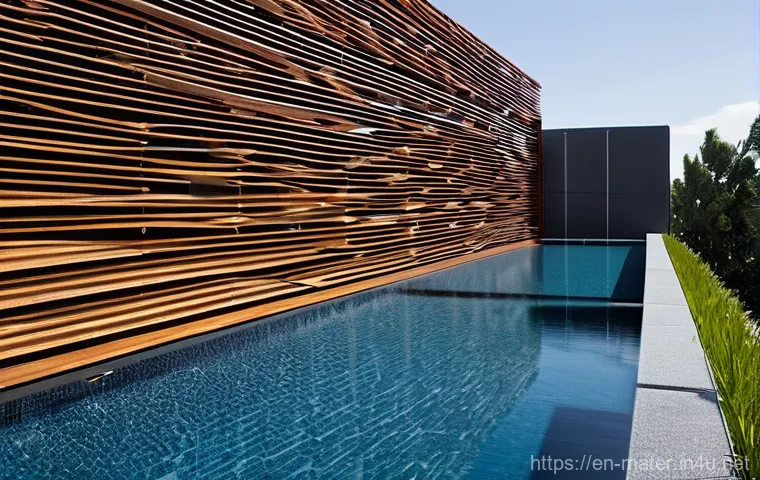
When it comes to the “look” of your space, both wood and metal louvers offer distinct and compelling aesthetics. Wood, with its inherent grain patterns and natural tones, brings an undeniable warmth, organic feel, and a timeless elegance that’s hard to replicate.
It connects us to nature, creating a cozy, inviting atmosphere that makes a house feel like a home. I’ve seen beautifully stained wood louvers complement everything from rustic farmhouses to coastal retreats, adding a touch of classic charm that instantly elevates the space.
There’s a certain softness and textural richness that only real wood can provide, making it a favorite for those seeking a more traditional or earthy aesthetic.
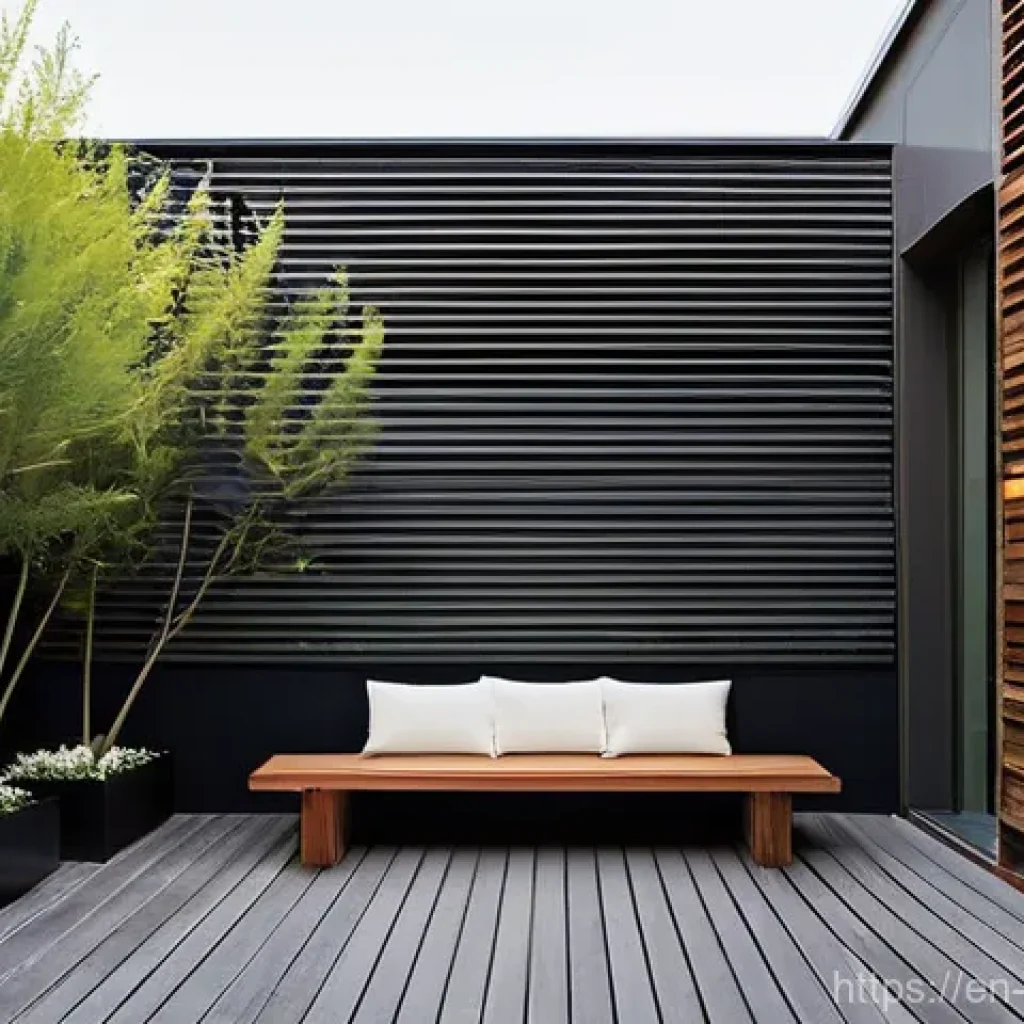
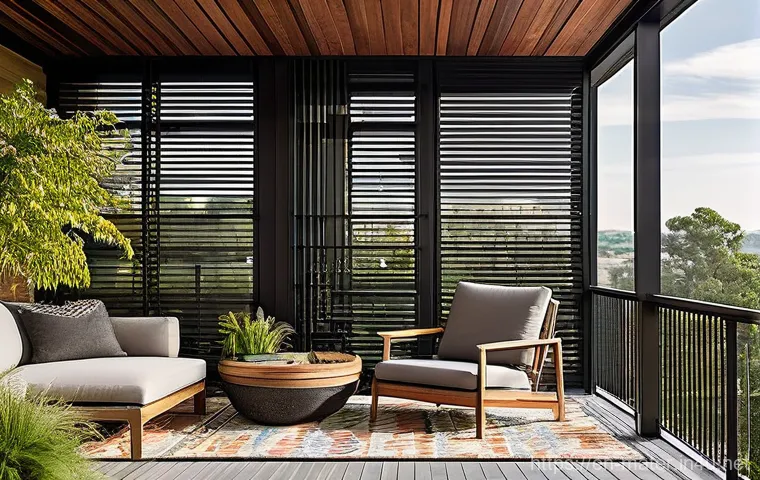
Metal, on the other hand, particularly aluminum, screams modernity and sleek sophistication. Its clean lines and precise angles lend themselves perfectly to contemporary architectural styles, urban lofts, and minimalist designs.
The ability to achieve sharp, defined edges and a smooth, uniform finish gives metal louvers a distinctly modern edge. For someone aiming for a bold, architectural statement or a more industrial-chic vibe, metal is often the go-to choice.
It’s about creating that crisp, refined look that truly stands out in a metropolitan setting or a cutting-edge home design.
Customization and Design Flexibility
Beyond their inherent material qualities, both wood and metal louvers offer an impressive degree of customization, allowing you to truly tailor them to your unique design vision.
With wood, the possibilities are vast when it comes to finishes. You can paint it any color under the sun to match your existing décor, stain it to enhance its natural grain, or even apply a clear sealant to preserve its raw beauty.
The variety of wood species available, from rich mahogany to light cedar, also provides a spectrum of natural colors and textures to play with. This adaptability makes wood incredibly versatile for various design themes, from bohemian to classic.
However, don’t count metal out. While you might initially think of metal as being rigid, modern metal louvers come in an astonishing array of powder-coated colors and finishes.
I recently helped a client select a matte black finish for their patio louvers, and it looked absolutely stunning against their light-colored stucco. You can get finishes that mimic wood grain, or go for vibrant, eye-catching hues that add a pop of color to your exterior.
Furthermore, metal can be fabricated into more intricate and precise shapes, offering a level of geometric versatility that’s sometimes harder to achieve with wood.
This allows for really unique architectural details and custom configurations that can truly make your space one-of-a-kind.
Performance Under Pressure: Weathering the Storms (and Sun!)
Battling the Elements: Sun, Rain, and Wind
When you’re investing in something that’s going to be exposed to the great outdoors 24/7, how it stands up to the elements is a massive deal. I’ve personally seen less robust materials buckle under the pressure of a harsh summer or a particularly windy storm, and trust me, you don’t want that headache.
Metal louvers, especially those made from high-grade aluminum, are like the superheroes of weather resistance. They laugh in the face of driving rain, shrug off intense UV rays that would fade and crack wood, and generally hold their own against strong winds without warping or suffering structural damage.
Their non-porous surface means they won’t absorb moisture, which eliminates concerns about rot, mold, or mildew. This makes them an excellent choice for coastal areas or regions with heavy rainfall and humidity, where wood would require constant vigilance and treatment.
Wood, conversely, is a natural material that inherently reacts to its environment. Without diligent sealing and maintenance, prolonged exposure to direct sunlight will cause it to gray, dry out, and crack, while excessive moisture will lead to swelling, warping, and eventually, rot.
It’s like a living thing that needs constant care. While some hardwoods are more resilient than softwoods, none can truly match the long-term, low-maintenance elemental resistance of metal.
Energy Efficiency and Climate Control
Beyond just looking good, louvers play a crucial role in managing your indoor and outdoor climate, and the material choice can definitely impact their effectiveness.
Both wood and metal louvers are excellent at providing shade, which is a fundamental way to reduce solar heat gain and keep your spaces cooler during hot months.
By strategically blocking direct sunlight, they can significantly lower your cooling costs – something my utility bill always thanks me for! However, there are subtle differences in their thermal properties.
Wood, being a natural insulator, can offer a slight edge in terms of thermal performance. It absorbs and releases heat more slowly than metal, which means it might contribute marginally to a more stable temperature, especially in cooler climates where you want to retain warmth.
Metal, on the other hand, can absorb and radiate heat more readily, which might be a consideration in extremely hot, sunny exposures if not properly designed or coated.
That said, the primary function of louvers for climate control is managing airflow and sunlight. Metal louvers, often designed with adjustable blades, can be incredibly effective at directing breezes and controlling light precisely, allowing you to optimize ventilation and minimize glare.
It really boils down to how you plan to use them and your specific climate challenges. For light and airflow management, both are champions, but wood has that natural insulating quality that is sometimes overlooked.
The Bottom Line: Costs and Long-Term Value
Initial Investment: Sticker Shock or Sweet Deal?
Let’s be honest, the cost is often the deciding factor in any home improvement project. Nobody wants to blow their budget on one element! Generally speaking, the initial upfront cost of wood louvers can often be lower than metal, especially if you opt for more common, readily available wood species like pine or cedar.
This can be appealing if you’re working with a tighter budget or if it’s a temporary installation. However, this is where the old adage “you get what you pay for” really rings true.
While the initial sticker price might be lower, remember that wood requires significant ongoing investment in terms of maintenance. We’re talking about the cost of stains, sealants, paints, brushes, and potentially hiring someone to do the work every few years.
Those costs add up over time, stealthily eating into any initial savings you might have had. Metal louvers, particularly those made from aluminum or steel with high-quality finishes, typically come with a higher initial price tag.
This is due to the manufacturing processes, material costs, and often, more specialized installation. However, that higher initial investment often translates into substantially lower long-term costs due due to their minimal maintenance requirements and superior durability.
It’s about looking at the total cost of ownership, not just the purchase price.
Resale Value and Return on Investment
Thinking about selling your home down the line? Then you should definitely consider how your louver choice impacts resale value and overall return on investment.
High-quality home improvements are a big draw for potential buyers, and well-maintained, attractive louvers can certainly boost your home’s curb appeal.
Metal louvers, with their reputation for durability and low maintenance, often represent a strong long-term investment. They retain their aesthetic appeal and structural integrity for decades with minimal fuss, which is a huge selling point for buyers who dread home upkeep.
Imagine a potential buyer seeing a sleek, modern metal louver system that looks just as good as the day it was installed years ago – that speaks volumes about quality and value.
While beautiful wood louvers can also add significant value, their impact on ROI can be more sensitive to their condition. If they’ve been meticulously maintained, they can absolutely be a selling point.
However, if they show signs of neglect, such as peeling paint, warping, or rot, they can quickly become a detractor, signaling potential future expenses for the new homeowner.
For me, the peace of mind that comes from a durable, value-adding feature like metal louvers is often worth the extra upfront cost.
Beyond the Basics: Sound, Sustainability, and Safety
Acoustic Qualities and Peace of Mind
Here’s something many people don’t often consider until it becomes an issue: sound. Our homes are meant to be sanctuaries, right? And sometimes, outside noise can really disrupt that peace.
This is where the material choice for your louvers can subtly play a role. Wood, being a natural, porous material, has inherent sound-dampening properties.
It can absorb and diffuse sound waves, which means wood louvers might offer a slight advantage in reducing ambient noise from busy streets or chatty neighbors.
If you’re looking to create a more tranquil, enclosed feeling in your outdoor space, or even hoping to reduce some noise spill into your home, the acoustic qualities of wood can be a pleasant bonus.
It adds to that overall sense of warmth and quiet comfort. Metal, on the other hand, being a harder and denser material, tends to reflect sound rather than absorb it.
While this isn’t usually a major issue for most applications, if you’re in a particularly noisy environment and sound insulation is a priority, it’s something to keep in mind.
However, well-designed metal louvers can still create a barrier that helps mitigate direct sound paths. It really comes down to the specific design and environment, but if you’re chasing that serene, quiet ambiance, wood might just have a slight edge in absorbing those unwanted echoes.
Eco-Consciousness and Fire Resistance
For many of us, making environmentally responsible choices is becoming increasingly important, and our building materials are no exception. When it comes to sustainability, wood has a compelling story.
It’s a renewable resource, and if sourced from sustainably managed forests (look for certifications like FSC), it’s often considered a highly eco-friendly option.
Its production generally requires less energy compared to metal. However, the environmental impact can increase if the wood requires frequent chemical treatments or if it’s not disposed of responsibly.
Metal, particularly aluminum, also has strong environmental credentials, primarily due to its recyclability. Aluminum is one of the most recycled materials on the planet, and recycling it requires significantly less energy than producing new aluminum.
So, while its initial production might be energy-intensive, its potential for endless recycling makes it a very sustainable choice in the long run. Now, let’s talk about safety, specifically fire resistance – a critical factor, especially in areas prone to wildfires or where building codes are strict.
This is where metal truly shines. Metal louvers are inherently non-combustible. They won’t catch fire, fuel a blaze, or contribute to its spread, making them a safer choice in fire-prone regions.
Wood, by its very nature, is combustible. While treated wood can offer some fire resistance, it will ultimately burn, which is a significant consideration for peace of mind and meeting safety regulations.
| Feature | Wood Louvers | Metal Louvers (e.g., Aluminum) |
|---|---|---|
| Durability | Prone to rot, insects, warping; requires consistent maintenance to last. | Highly resistant to rot, insects, rust (with coating), warping; long lifespan. |
| Maintenance | High: Regular sanding, staining/painting, sealing required every few years. | Low: Occasional cleaning with soap and water; finishes are very durable. |
| Aesthetics | Natural warmth, organic textures, timeless charm; customizable with stains/paints. | Sleek, modern, contemporary appeal; wide range of powder-coated colors and finishes. |
| Cost (Initial) | Can be lower, especially for common wood types. | Generally higher due to material and manufacturing processes. |
| Cost (Long-term) | Higher due to ongoing maintenance materials and labor. | Lower due to minimal maintenance and exceptional longevity. |
| Weather Resistance | Sensitive to UV, moisture; can crack, fade, warp without protection. | Excellent resistance to sun, rain, wind; retains integrity well. |
| Fire Resistance | Combustible; can be treated for some resistance but will burn. | Non-combustible; provides superior fire safety. |
| Sustainability | Renewable resource if responsibly sourced (FSC); lower initial energy use. | Highly recyclable (especially aluminum); initial production can be energy-intensive. |
Installation Realities: What to Expect On-Site
Weight and Structural Considerations
Alright, let’s talk about getting these beautiful louvers actually *up* and in place, because it’s not just about what they look like once they’re done.
The physical installation process itself can be a major factor, especially when considering the weight of the materials. Wood, depending on the species and density, can be surprisingly heavy, particularly for larger or thicker louvers.
This means that if you’re dealing with substantial wood structures, you might need more robust supporting elements or even professional assistance to ensure everything is structurally sound and safely mounted.
I once saw a DIY project go sideways because the homeowner underestimated the sheer weight of their chosen wood louvers, leading to a much more complex (and expensive!) fix than anticipated.
Metal, especially aluminum, generally offers a distinct advantage here due to its high strength-to-weight ratio. Aluminum louvers are often significantly lighter than their wooden counterparts of similar size and dimension.
This can make them easier to handle, quicker to install, and put less stress on your existing structure, potentially reducing the need for extensive reinforcement.
For larger installations, or if you’re considering a DIY approach, the lighter weight of metal can be a real game-changer, making the whole process less physically demanding and potentially safer.
Professional vs. DIY: A Personal Experience
As someone who’s tackled more than my fair share of home projects, I can tell you that the complexity of installation can seriously impact your budget and sanity!
For wood louvers, especially if they are pre-fabricated or modular, a seasoned DIYer might feel confident taking on the installation. There’s a certain satisfaction that comes from working with wood, cutting, fitting, and finishing it yourself.
However, if custom cuts, intricate angles, or precise alignment are required, bringing in a professional can save you a world of headaches. I’ve seen some absolutely gorgeous custom wood louver installations that simply wouldn’t have been possible without expert carpentry.
With metal louvers, while some basic, pre-assembled systems can be DIY-friendly, custom metal fabrication and installation often lean more towards requiring professional expertise.
Precision is key with metal, and specialized tools might be needed for cutting, welding, or ensuring perfectly flush fittings. Trying to force metal into place or making inexact cuts can easily compromise the aesthetic and structural integrity.
For a truly seamless, durable, and architecturally precise look with metal louvers, I’d almost always recommend biting the bullet and hiring skilled installers.
They have the right equipment and experience to get the job done right the first time, preventing costly mistakes and ensuring your investment looks exactly as it should for years to come.
Long-Term Aesthetics: How They Age
The Graceful Patina vs. Factory Fresh
One of the most fascinating aspects of choosing between wood and metal louvers is how they evolve over time. It’s not just about how they look when they’re first installed, but how they age and wear in their environment.
Wood, with its natural fibers, has a unique way of developing what many call a “patina” – a beautiful, weathered look that tells a story. Untreated or naturally finished wood will gradually gray and soften in tone as it’s exposed to the sun and elements.
Think of old barnwood or weathered cedar shingles; there’s a rustic charm to that natural aging process that many homeowners absolutely adore. It blends seamlessly into natural landscapes and can enhance a home’s character over decades.
Of course, if you’re meticulously staining and sealing, you can maintain that “new” look for longer, but even then, wood retains an organic quality that subtly changes with time.
Metal, on the other hand, particularly high-quality powder-coated aluminum, is designed to retain its factory-fresh appearance for an incredibly long time.
The finish is engineered to resist fading, chalking, and corrosion, meaning your metal louvers will likely look almost identical years down the line as they did the day they were installed.
For those who prefer a consistent, unchanging aesthetic and a pristine, low-maintenance look that doesn’t show its age, metal is the clear winner. It’s less about evolving beauty and more about enduring perfection.
Repairability and Replacements Over Time
Accidents happen, and sometimes, a louver can get damaged, whether it’s from a stray ball, a particularly bad storm, or just general wear and tear in a high-traffic area.
The ease and cost of repairing or replacing a damaged louver can be a significant long-term consideration. With wood louvers, individual slats can often be replaced or repaired relatively easily, especially if you have matching lumber or can readily source it.
A carpenter might be able to craft a new slat, stain it to match, and integrate it fairly seamlessly. However, if the damage is widespread, or if the surrounding wood is also compromised (say, by rot or extensive insect damage), a more substantial replacement of entire sections might be necessary, which can get costly.
Metal louvers often present a different scenario. Because they are typically manufactured with precision, individual damaged blades can sometimes be replaced if the manufacturer offers spare parts.
However, if a specific section is bent or severely damaged, repairing it can be trickier, and it might necessitate replacing an entire panel or section of the louver system to maintain its clean lines and structural integrity.
This can sometimes be more involved and potentially more expensive than a simple wood repair, depending on the system. It’s worth considering the modularity and availability of replacement parts when making your initial choice.
Wrapping Things Up
Whew, that was quite the deep dive into the world of wood versus metal louvers, wasn’t it? As we’ve explored, both materials bring their own unique charm, challenges, and benefits to the table. Ultimately, the “best” choice really isn’t about one being inherently superior, but rather which one aligns perfectly with your lifestyle, budget, aesthetic goals, and the specific demands of your local climate. It’s a personal journey to weigh the pros and cons, and I truly hope this comprehensive guide has shed some light and helped you feel more confident in making a decision that you’ll absolutely love for years to come.
Handy Tips You’ll Be Glad You Knew
1. Climate is King: Seriously, your local weather patterns are the biggest factor. If you’re in a humid, rainy, or fire-prone area, metal might save you a lot of future headaches. If you have mild weather and love the natural look, wood could be perfect.
2. Think Beyond the Price Tag: That initial cost is just one piece of the puzzle. Factor in the long-term maintenance and potential replacement costs. Sometimes, paying a bit more upfront for metal saves you a fortune (and a lot of weekend hours!) in the long run.
3. Consider Your Home’s Style: Do you have a rustic farmhouse, a modern minimalist abode, or something in between? Matching your louver material to your home’s existing architecture and décor will create a cohesive and appealing look that truly elevates your curb appeal.
4. Don’t Skimp on Installation: Whether you go DIY or hire a pro, proper installation is crucial for both durability and performance. Metal often requires more precision, while larger wood installations need serious structural consideration. Get it right the first time to avoid costly fixes later.
5. Future-Proof Your Investment: If you’re planning to sell your home down the line, think about how your choice will be perceived by potential buyers. Low-maintenance, durable features like high-quality metal louvers often add significant, worry-free value that buyers will appreciate.
Key Takeaways
When weighing wood against metal louvers, remember that wood offers natural warmth and aesthetic versatility but demands consistent maintenance and is less resistant to weather and fire. Metal, particularly aluminum, excels in durability, low maintenance, and fire resistance, providing a sleek, modern look. Your decision should hinge on your climate, budget (considering both initial and long-term costs), desired aesthetic, and willingness to commit to upkeep. Both can be fantastic choices, but understanding their distinct characteristics will lead you to the perfect fit for your home.
Frequently Asked Questions (FAQ) 📖
Q: Which material is more durable and easier to maintain for outdoor louvers, metal or wood?
A: This is probably the number one question I get asked, and for good reason! When you’re investing in something for your home, especially outdoors, you want it to last.
From my experience, metal louvers, particularly those made from aluminum or steel, are generally the champions of durability. They laugh in the face of harsh weather, pests, and rot.
I’ve seen aluminum louvers in coastal areas brave salty air for years with just a quick wash, no problem. I remember a client’s old wooden louvers on their patio that had started to warp and splinter after a particularly rainy winter – it was a real heartbreak to see all that beautiful craftsmanship decay.
Metal typically needs very little upkeep beyond an occasional wipe-down. Wood, on the other hand, while incredibly charming, is a bit more high-maintenance.
It’s organic, so it’s susceptible to rot, insects, and UV damage. You’ll likely need to stain, seal, or paint it every few years to keep it looking its best and protect it from the elements.
Think of it as a beautiful pet that needs regular grooming – totally worth it for the right person, but it does require commitment!
Q: When it comes to cost, how do metal and wood louvers compare, both upfront and long-term?
A: Ah, the age-old budget question! This one’s always tricky because it’s not just about the sticker price, right? Initially, you might find that certain types of wood, especially common varieties like cedar or pine, can be less expensive per linear foot than high-quality aluminum or steel.
However, if you’re eyeing exotic hardwoods, that price gap can quickly close or even reverse. Where things really shift is in the long-term. Remember that maintenance I just talked about for wood?
Those regular staining, sealing, or painting jobs aren’t free! You’re looking at recurring costs for materials and, potentially, labor. With metal, your upfront investment might be a bit higher, especially for custom designs or durable powder-coated finishes, but your ongoing costs are significantly lower.
It’s truly a “pay now or pay later” scenario. I always tell my friends to calculate the “cost of ownership” over 10-15 years, not just the initial purchase.
You’d be surprised how often the seemingly more expensive metal option actually ends up being more economical in the long run when you factor in all those upkeep expenses.
Q: What are the key aesthetic and functional differences that might make someone choose metal over wood, or vice-versa?
A: This is where the heart truly weighs in! Aesthetically, wood louvers bring an undeniable warmth, natural texture, and a classic, often rustic or traditional charm to any space.
They can soften harsh lines and blend beautifully with natural landscapes, creating that cozy, inviting vibe. The grain, the knots, the way light plays on the natural surface – it’s just timeless.
Functionally, wood also offers decent light and privacy control, and some woods have natural insulating properties. Metal louvers, however, lean into a more modern, sleek, and industrial aesthetic.
They can create sharp lines, a sophisticated contemporary look, and often come in a wider range of finishes and colors through powder coating, giving you incredible design flexibility.
Functionally, metal is often praised for its precision. I helped a couple last year decide between the two for their ultra-modern backyard patio. They initially loved the idea of wood, but once we started looking at the clean, crisp lines of the black aluminum louvers against their concrete and glass, they instantly knew it was the right fit.
It just clicked with their vision. Metal can also be engineered to be incredibly strong yet lightweight, allowing for larger spans or more intricate designs without the bulk.
So, while wood offers that organic, timeless feel, metal offers a more contemporary, low-maintenance, and often more robust structural solution. It really boils down to the overall vibe you’re trying to create and what kind of commitment you’re willing to make to maintenance!