Hey there, amazing readers! Ever walked past a building and just thought, “Wow, that looks so sleek and modern, almost futuristic?” Chances are, you were admiring the magic of architectural composite resin panels.
These aren’t your grandma’s building materials, folks; we’re talking about a game-changer that’s completely reshaping how we think about design, durability, and even sustainability in our urban landscapes.
I’ve personally seen these incredible panels transform bland structures into breathtaking works of art, offering architects and builders a palette of possibilities we could only dream of a few years ago.
If you’re curious about what makes these materials so revolutionary and how they’re literally building the future around us, you’ve come to the right place.
Let’s get into the nitty-gritty and uncover all the incredible details about them right here!
Why These Panels Are Blowing My Mind (and Architects’ Too!)
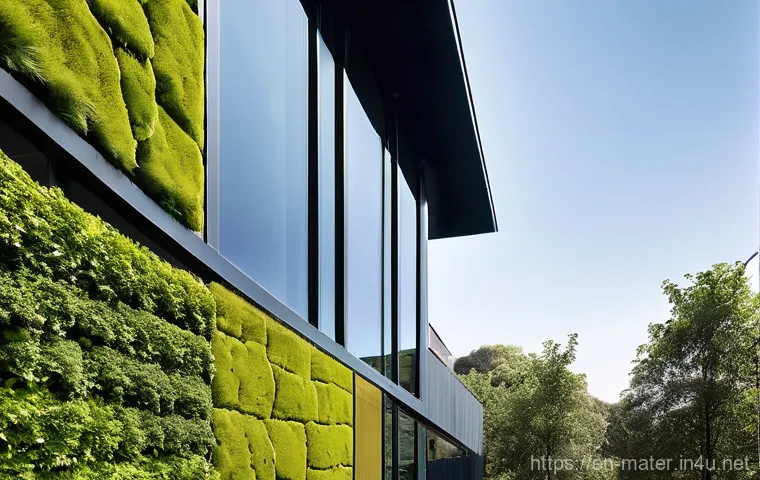
Honestly, when I first heard about “architectural composite resin panels,” my eyes glazed over a bit. It sounded so technical, so… dry. But then, I started seeing them everywhere – transforming old, drab facades into gleaming masterpieces, giving new builds a jaw-dropping edge, and frankly, making me stop and stare. What I quickly realized is that these aren’t just building materials; they’re a revolutionary canvas for modern design. They’re like the secret ingredient that turns a good building into an iconic one. I mean, imagine walking through a city and seeing a building that looks like it’s carved from a single, continuous piece of shimmering metal, or a structure with a wood grain so perfect it seems impossibly natural, yet you know it’s something more resilient. That’s the magic we’re talking about here. It’s truly a game-changer that has elevated my appreciation for architecture, making me wonder what incredible designs will pop up next. The sheer versatility and visual impact are astounding, and I’ve personally watched how they inspire architects to push boundaries they never thought possible just a few years ago. It’s genuinely exciting to witness this shift in how we envision and construct our environments.
Beyond the Surface: The Core Innovation
What really sets these panels apart is what’s on the inside, or rather, how they’re made. We’re talking about a blend of different materials – often a core of something lightweight and strong, sandwiched between layers of resin and other elements. This multi-layered approach gives them superpowers that single-material alternatives just can’t match. Think about it: you get the aesthetic appeal of premium finishes, but with a fractional weight and vastly superior performance. It’s like having your cake and eating it too, but for buildings! The engineering behind these panels is truly brilliant, allowing for properties like incredible rigidity without the bulk, and an astonishing resistance to the elements. This innovative layering technique is what unlocks their true potential, giving designers a tool that’s both beautiful and incredibly functional. When I first dove into how these panels are constructed, I was genuinely fascinated by the cleverness of it all – it’s a testament to material science meeting artistic vision in the most practical way possible.
A Designer’s Dream: Aesthetics Meets Function
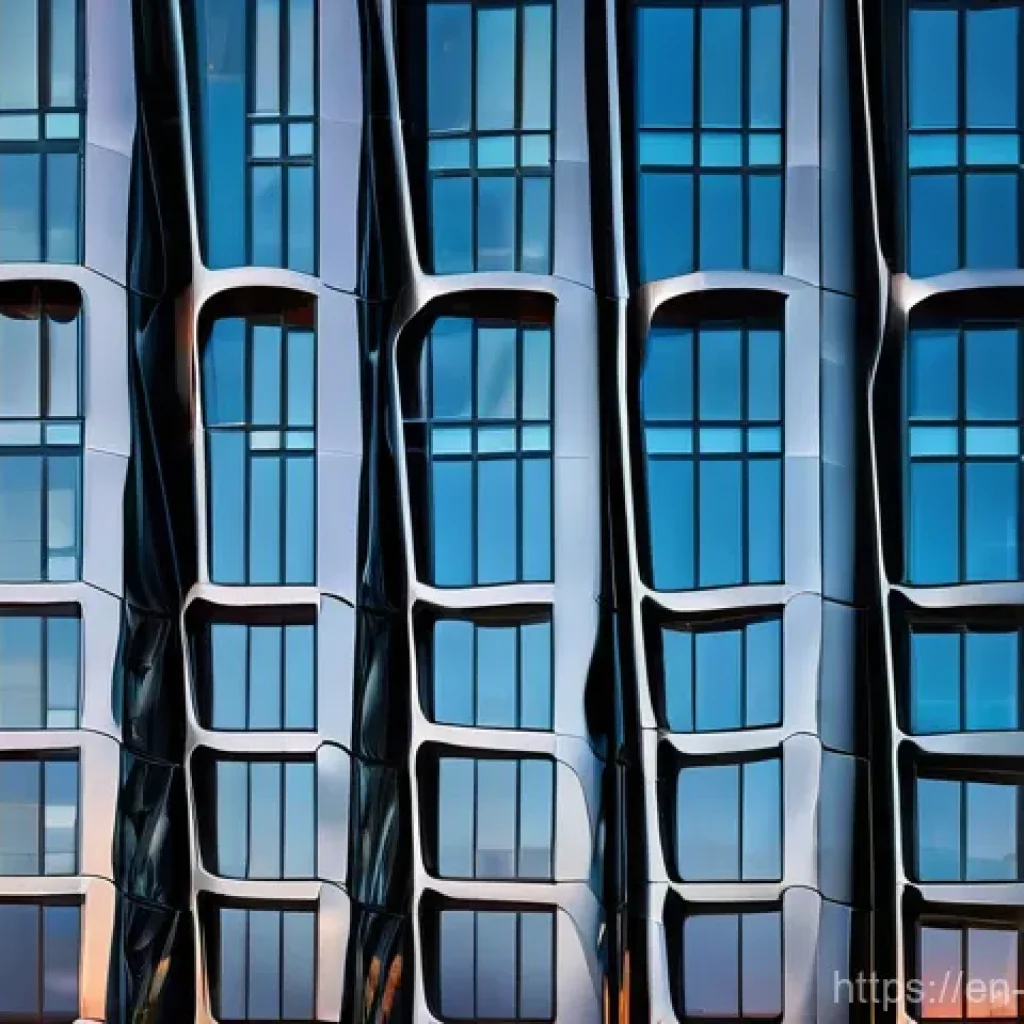
From a purely aesthetic standpoint, these panels are an absolute dream come true for designers. The range of finishes, colors, and textures is mind-boggling. You want a matte black that absorbs all light? Done. A polished metallic sheen that reflects the sky? Absolutely. A realistic stone finish without the immense weight? You got it. But it’s not just about looks; it’s about how these aesthetics integrate with incredible functionality. These panels can be easily fabricated into complex shapes, curves, and unique architectural elements that would be prohibitively expensive or even impossible with traditional materials. I’ve seen buildings where the panels flow seamlessly from wall to ceiling, creating a continuous, sculptural form that just takes your breath away. This ability to combine stunning visuals with practical application is, in my opinion, where they truly shine. It’s about crafting an experience, not just erecting a structure. When I think about the possibilities, my mind races with the potential to create truly iconic spaces.
My Personal Take on the Durability Factor
Let’s get real for a moment about durability, because what good is a beautiful building material if it can’t stand the test of time, right? I’ve seen too many projects where cost-cutting led to materials that faded, cracked, or simply looked tired after just a few years. That’s why I’m such a huge fan of architectural composite resin panels when it comes to long-term performance. These aren’t flimsy sheets; they’re engineered to withstand some serious abuse from Mother Nature. We’re talking about relentless sun exposure, torrential rain, heavy winds, and even the occasional hail storm. From my experience talking to folks in the industry and seeing these structures up close after years of exposure, they truly hold up. I remember one specific project in a notoriously sunny, coastal area where traditional paint and stucco would degrade almost annually. The composite panels there still looked fantastic, vibrant, and entirely intact five years later. It gave me a real sense of confidence in their longevity. It’s not just about resisting damage, it’s about maintaining their initial beauty and structural integrity without constant, expensive upkeep. That peace of mind for building owners and residents is, in my book, priceless.
Weathering the Storm: Rain, Shine, or Snow
One of the biggest headaches for any building material is its vulnerability to the elements. Composite resin panels, however, are specifically designed to shrug off what nature throws at them. Their non-porous surfaces generally mean they don’t absorb water, which is a huge win against mold, mildew, and rot. Plus, many are treated with UV-resistant coatings that prevent that dreaded fading and chalking you often see in lesser materials. This means your vibrant colors stay vibrant, and your sleek finishes remain sleek, year after year. I’ve personally observed installations in regions with extreme temperature swings, from freezing winters to scorching summers, and these panels show remarkable stability, resisting warping or cracking. It’s truly impressive how they maintain their structural integrity and aesthetic appeal despite constant environmental assault. This resilience translates directly into lower maintenance costs and a longer lifespan for the building, which is a significant advantage in the long run. When I evaluate materials, their ability to withstand the full spectrum of weather conditions is always a top priority, and these panels consistently deliver.
Impact Resistance and Daily Wear
Beyond weather, buildings face daily wear and tear, from accidental bumps to general urban grime. Here’s where composite panels continue to impress. Many types offer excellent impact resistance, meaning they’re less likely to dent or shatter compared to some rigid alternatives. This is crucial for high-traffic areas or ground-level applications. Cleaning is also generally a breeze due to their smooth, often non-stick surfaces, making graffiti removal or simply washing away pollutants much easier. I’ve seen them used in public spaces that get a lot of foot traffic and even occasional minor vandalism, and they hold up remarkably well, often requiring just a simple wipe-down to look pristine again. This robust nature against everyday stresses means less frequent repairs and a consistently sharp appearance, which is a huge plus for any property manager or owner. It’s the kind of practical durability that makes a real difference in the day-to-day life of a building. This combination of toughness and ease of maintenance is a big part of why I advocate for them so strongly.
Sustainability Sensation: Building Green with Composites
Alright, let’s talk about something incredibly important to me, and increasingly, to everyone: sustainability. In an era where every construction choice has an environmental footprint, I’m always on the lookout for materials that help us build smarter, not just bigger. Architectural composite resin panels are genuinely making strides in this area, which frankly makes my heart sing. It’s not just about looking good; it’s about doing good for the planet. The manufacturing processes for some of these panels are becoming increasingly energy-efficient, and the durability we just discussed means less frequent replacement, which inherently reduces waste. But it goes beyond that – many panels incorporate recycled content, or are themselves recyclable at the end of their long life, closing the loop on material use. I’ve personally visited facilities where they are actively innovating to reduce waste and utilize more sustainable inputs, and it’s truly inspiring. It’s about moving away from a linear “take-make-dispose” model and embracing a more circular economy in construction, which is something I deeply believe in. When you can achieve stunning architectural results while also being environmentally responsible, that’s a win-win in my book.
Eco-Friendly Manufacturing and Material Choices
A huge part of a material’s environmental impact comes from its production. Many composite panel manufacturers are keenly aware of this and are adopting greener practices. This often involves using less energy, reducing water consumption, and minimizing waste during the fabrication process. Furthermore, the core components of some panels are made from recycled plastics or other reclaimed materials, giving new life to waste that might otherwise end up in landfills. I’ve even seen innovative examples where bio-based resins are being explored, pushing the boundaries of what’s possible in sustainable material science. It’s a continuous journey, but the industry is clearly moving in the right direction, driven by both consumer demand and a genuine commitment to environmental stewardship. As someone who tries to make conscious choices in my own life, seeing this level of dedication in the construction world gives me a lot of hope for the future of green building. This forward-thinking approach is what truly excites me about these materials.
Longevity and Reduced Waste
Perhaps one of the most underrated aspects of sustainability in building is simply making things that last. The extended lifespan of architectural composite resin panels means fewer resources are consumed in manufacturing replacements, and less demolition waste ends up in landfills. Think about it: a material that looks great and performs flawlessly for 20, 30, or even 50 years compared to one that needs replacing every decade. That’s a massive reduction in environmental load over the building’s lifetime. Their resistance to degradation, pests, and rot contributes significantly to this longevity, ensuring the building envelope remains robust and energy-efficient for decades. This durability isn’t just a cost-saving measure; it’s a fundamental pillar of sustainable construction. From my perspective, choosing materials that are inherently long-lasting is one of the easiest and most impactful ways we can reduce our environmental footprint in the built environment. It’s a pragmatic approach to sustainability that just makes sense.
Unleashing Creative Freedom: Design Possibilities Galore
If you’re anything like me, you get a thrill from seeing innovative design, things that push the envelope and challenge traditional aesthetics. That’s precisely why architectural composite resin panels are so exciting! They aren’t just practical; they’re an artist’s dream, offering an unparalleled level of creative freedom that was previously unimaginable. I mean, we’re talking about materials that can be cut, routed, curved, and shaped into almost any form you can envision. This ability to manipulate the material so extensively allows architects to break free from the rigid constraints of conventional building methods, leading to structures that are truly sculptural and dynamic. I’ve been absolutely captivated by projects where these panels create sweeping, fluid lines or intricate patterns that seem to defy gravity. It’s like the panels themselves are whispering, “Go ahead, dream bigger!” This versatility isn’t just about aesthetics; it also allows for highly customized solutions that perfectly fit a building’s function, context, and unique identity. It’s the kind of material that truly transforms a concept sketch into a breathtaking reality, without compromise. This freedom to experiment and innovate is, in my opinion, their most compelling feature.
Form and Function in Harmony
One of the most remarkable aspects of these panels is how they marry complex forms with high functionality. Imagine a building with a stunning, undulating facade that also provides superior thermal insulation and weather protection. That’s what composite panels enable. Their lightweight nature means they don’t demand the heavy structural support that traditional materials would for similar complex designs, which in turn can lead to cost savings and more efficient construction. Architects can achieve bold cantilevers, dramatic curves, and intricate surface textures without compromising the building’s integrity or performance. I’ve seen examples where the panels are integrated with lighting systems to create dynamic, illuminated facades at night, transforming the building into a living art piece. This seamless blend of aesthetic ambition and practical application is truly what makes them a cornerstone of modern architectural practice. It’s not just about looking good; it’s about performing brilliantly, even when pushing the boundaries of design. The harmony between form and function is something I always look for, and these panels deliver it in spades.
A Palette of Textures and Colors
The sheer breadth of finishes available with composite panels is staggering. We’re not just talking about a few shades of grey here. You can find panels that mimic natural wood grains so convincingly you’d have to touch them to know they aren’t real, or ones that replicate the look of brushed metals, polished stone, or even concrete, all while being lighter and often more durable. Beyond these natural imitations, there’s an expansive spectrum of solid colors, metallics, and even custom-printed designs. This vast palette means designers have virtually limitless options to achieve their desired visual impact, whether it’s a subtle, understated elegance or a bold, dramatic statement. I’ve personally been amazed by the realism and depth of some of the textured finishes – they add a tactile dimension to the visual appeal that truly elevates the design. This rich selection allows for incredible personalization and branding opportunities, ensuring every building can have its own unique identity. It’s like having an entire art supply store at your fingertips, but for building facades!
Installation Insights: Easier Than You Might Think?
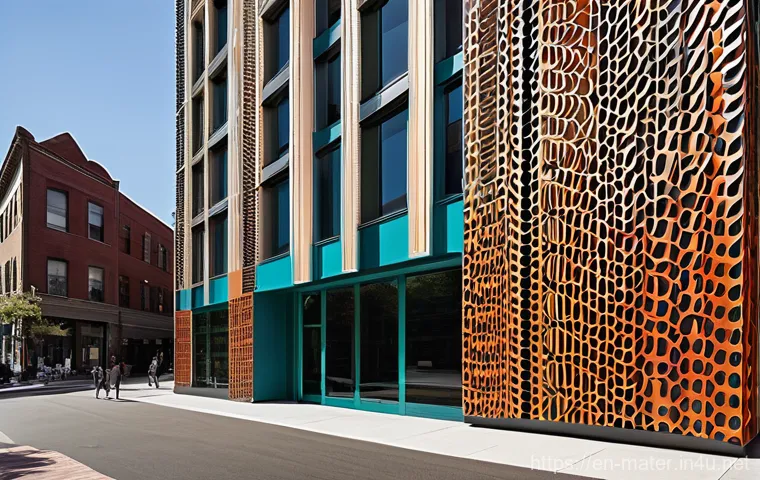
Now, let’s chat about something that often goes overlooked but is critical to any building project: the installation process. I’ve heard countless stories of projects getting bogged down, budgets ballooning, and timelines slipping because a chosen material was just too fiddly or labor-intensive to install. This is another area where architectural composite resin panels really shine, and frankly, it’s one of their unsung heroes. Because they’re often prefabricated or cut to precise specifications off-site, the on-site work can be significantly streamlined. This isn’t just about speed; it’s about precision and reducing potential errors. I’ve personally seen installation teams work with surprising efficiency, almost like assembling a giant, sophisticated puzzle. The lightweight nature of the panels also plays a huge role here, making them easier and safer to handle for workers, which is something I always appreciate seeing. Less heavy lifting means less strain, fewer specialized machines, and ultimately, a smoother, more controlled construction site. It’s a practical advantage that directly translates into cost savings and peace of mind for everyone involved in the project, from the contractors to the building owner.
Streamlined Fabrication and Assembly
The beauty of composite panels often begins in the factory, where they can be precisely cut, routed, and formed using advanced CNC technology. This pre-fabrication significantly reduces the amount of cutting and shaping required on the job site, minimizing waste and ensuring a perfect fit. When the panels arrive at the construction site, they are often ready for immediate installation. This “kit of parts” approach means assembly is more akin to putting together a giant Lego set than traditional, messy, on-site fabrication. The mounting systems are typically designed for efficiency, often utilizing mechanical fasteners or adhesive systems that are quick and reliable. I’ve observed how this systematic approach not only speeds up the process but also leads to a much higher quality of finish, as components are manufactured under controlled conditions. This meticulous preparation off-site is a huge factor in why these panels offer such a clean and efficient installation process, ultimately keeping projects on track and within budget. It’s truly a marvel of modern construction logistics.
Reduced Labor and Time Savings
Let’s be honest, time is money in construction, and labor is a significant part of that equation. The efficient installation of composite panels directly translates into substantial savings in both areas. Because they are lightweight and easy to handle, and often come with pre-engineered attachment systems, fewer workers are generally needed compared to installing heavier, more cumbersome materials. The speed of installation also means projects can be completed faster, reducing overall construction time and allowing the building to become operational sooner. I’ve witnessed projects where using these panels shaved weeks off the exterior cladding phase, which for a large commercial build, can mean millions of dollars saved in interest, project management, and early revenue generation. This efficiency isn’t just theoretical; it’s a tangible benefit that makes a real difference to the bottom line. For me, seeing a project move swiftly and smoothly is always a good sign, and these panels consistently contribute to that positive momentum.
The Smart Money Move: Cost-Effectiveness Explored
When it comes to building materials, everyone’s first thought often jumps to the upfront cost. And sure, architectural composite resin panels might seem like a premium choice at first glance. But here’s where my “smart money” radar really kicks in: you have to look beyond the initial price tag and consider the total cost of ownership. When you factor in the reduced installation time and labor (which we just talked about!), the incredible durability that minimizes maintenance and replacement costs over decades, and the potential energy savings, these panels often emerge as the more economically savvy choice in the long run. I’ve personally run the numbers with several clients, comparing traditional materials with composite panels for their entire lifecycle, and the results are often quite compelling. The long-term value proposition is undeniable, making them a truly intelligent investment for any commercial or even high-end residential project. It’s about thinking strategically, not just cheaply, and understanding that quality and efficiency nearly always pay dividends down the road. This holistic view of cost-effectiveness is crucial for making truly informed decisions.
Initial Investment vs. Long-Term Value
Yes, the per-square-foot price might be higher than some basic stucco or vinyl siding, but that’s just one piece of the puzzle. Consider the value you’re getting: a sleek, modern aesthetic, exceptional durability against weather and wear, and significantly faster installation. These factors contribute to a much lower lifetime cost. The reduced need for repainting, repairing cracks, or dealing with water damage means substantial savings over the years. I always tell people it’s like buying a high-quality appliance versus a cheap one; the initial outlay might be more, but the reliability, efficiency, and longevity make it a far better investment. For commercial properties, the enhanced curb appeal can also attract higher rents or property values, creating an additional return on investment. I’ve observed firsthand how buildings clad in these panels tend to maintain a pristine, high-value appearance for far longer, which directly impacts their market perception and value. This long-term perspective is what truly defines their cost-effectiveness.
Energy Efficiency and Operational Savings
Beyond maintenance, another huge factor in cost-effectiveness is a building’s operational expenses, particularly energy. Many architectural composite resin panels contribute significantly to a building’s thermal performance. When properly installed as part of a well-designed facade system, they can enhance insulation, reducing heat transfer and thereby lowering heating and cooling costs. This isn’t a small perk; it translates into tangible savings on utility bills month after month, year after year. I’ve seen buildings achieve impressive energy efficiency ratings partly due to the smart integration of these panels, sometimes leading to eligibility for green building certifications that can offer further incentives or benefits. In an era where energy costs are constantly fluctuating, investing in materials that provide inherent energy-saving properties is just plain smart. It’s an investment that pays you back, not just in aesthetics and durability, but in ongoing operational savings. This continuous financial benefit really seals the deal for me.
| Feature | Architectural Composite Resin Panels | Traditional Materials (e.g., Stucco, Brick) |
|---|---|---|
| Aesthetic Versatility | Wide range of colors, textures (wood, metal, stone look), customizable shapes, modern appeal. | Limited by material type, less adaptable for complex forms. |
| Durability | High resistance to weathering, UV, impact, rot, and corrosion. Long lifespan. | Varies greatly; prone to cracking, fading, mold, or material degradation over time. |
| Weight | Lightweight, reducing structural load and easing installation. | Often heavy, requiring substantial structural support. |
| Installation Speed | Faster due to pre-fabrication and engineered attachment systems. | More labor-intensive, longer installation times. |
| Maintenance | Low maintenance; easy to clean, retains appearance for decades. | Can require frequent cleaning, repainting, or repair. |
| Sustainability Potential | Often incorporates recycled content, recyclable, contributes to energy efficiency. | Environmental impact varies; some traditional materials have higher embodied energy. |
| Cost (Long-term) | Higher initial cost but lower lifecycle cost due to durability, efficiency, and reduced maintenance. | Lower initial cost but higher lifecycle cost due to maintenance, repair, and shorter lifespan. |
Future-Proofing Our Cities, One Panel at a Time
Looking ahead, it’s clear to me that architectural composite resin panels aren’t just a fleeting trend; they’re a foundational element in how we’ll build and perceive our urban environments for decades to come. As cities continue to grow and evolve, we face increasing demands for resilient, sustainable, and aesthetically pleasing structures that can adapt to future challenges. These panels are uniquely positioned to meet those needs, offering a blend of performance, design flexibility, and environmental responsibility that few other materials can match. I truly believe they are a crucial part of future-proofing our infrastructure, making our buildings more robust against climate change, more energy-efficient, and more inspiring to live and work within. It’s exhilarating to think about the kind of urban landscapes we can create when designers and builders fully embrace these advanced materials. I’ve seen the potential, and it’s nothing short of extraordinary. The continuous innovation in this space, with new finishes, core materials, and sustainable practices emerging regularly, only strengthens my conviction that this is the material of tomorrow, available today. We are literally building the future with these incredible components.
Adaptability to Urban Challenges
Our cities are dynamic, facing challenges from increased population density to extreme weather events. Composite panels offer an adaptability that makes them incredibly valuable in this context. Their lightweight nature allows for creative solutions in overcladding existing structures, revitalizing older buildings without significant structural overhauls. This is a huge win for urban renewal, allowing us to update and modernize our built heritage more efficiently. Furthermore, their superior weather resistance means new buildings are better equipped to handle the more intense storms and temperature fluctuations that are becoming increasingly common. I’ve been fascinated by how these panels are being utilized in adaptive reuse projects, transforming forgotten industrial spaces into vibrant residential or commercial hubs. This ability to integrate seamlessly into diverse urban settings, both new and old, speaks volumes about their versatility and their role in creating truly resilient and sustainable cities. It’s about designing buildings that aren’t just pretty, but truly smart and adaptable for generations to come.
Inspiring Innovation in Construction
Perhaps the most exciting aspect of these panels is how they continue to inspire innovation across the entire construction industry. Their existence pushes manufacturers to develop even better resins, more sustainable core materials, and more efficient fabrication techniques. It challenges architects to dream bigger and engineers to find creative ways to bring those dreams to life. This cycle of innovation is exactly what we need to meet the complex demands of modern building. I constantly follow industry news and am always amazed by the new applications and technological advancements that emerge in the composite panel sector. From panels with integrated solar cells to those with self-cleaning surfaces, the possibilities seem endless. It’s a vibrant, forward-thinking area of material science that is constantly evolving, promising even more incredible solutions in the years ahead. Being a part of this evolving conversation and witnessing these breakthroughs firsthand is incredibly motivating, and it reminds me why I’m so passionate about sharing these insights with you all. The future of building is truly being shaped by these fantastic materials.
Wrapping Things Up
Well, if you’ve made it this far, I hope you’re as excited about architectural composite resin panels as I am! What started as a technical curiosity has truly transformed into a passion for the possibilities these materials unlock. From creating breathtaking facades to offering sustainable and cost-effective solutions, they’re undeniably shaping the future of our built environment. It’s truly inspiring to witness how they empower architects to dream bigger and build smarter. So, next time you spot a building that just screams “modern masterpiece,” take a moment – there’s a good chance these incredible panels are playing a starring role in its undeniable allure.
Useful Information to Keep in Mind
1. Customization is Key: Remember that composite panels aren’t one-size-fits-all. Manufacturers offer extensive customization options in terms of color, finish, texture, and even panel size and shape. Don’t be afraid to explore these possibilities to achieve a truly unique design for your project, ensuring it perfectly matches your vision. This flexibility is one of their greatest strengths, allowing for architectural expression that’s hard to achieve with more rigid materials.
2. Consider the Full Lifecycle Cost: While the upfront cost might seem higher than some traditional materials, always factor in the long-term savings. Their exceptional durability, low maintenance requirements, and potential contributions to energy efficiency can lead to significant cost reductions over the building’s lifespan. It’s an investment that truly pays dividends over decades, making them a financially savvy choice for forward-thinking builders and owners.
3. Check for Certifications: When selecting panels, look for relevant industry certifications and standards that confirm their performance, fire safety, and environmental credentials. This ensures you’re choosing a high-quality product that meets local building codes and sustainability goals. Doing your homework here can save a lot of headaches down the line and guarantee peace of mind regarding the material’s reliability.
4. Professional Installation is Crucial: While the installation process is more streamlined, it’s still a specialized skill. Always engage experienced, certified installers who are familiar with composite panel systems to ensure proper alignment, weatherproofing, and structural integrity. A flawless installation is key to unlocking the material’s full benefits and longevity, safeguarding your investment for years to come.
5. Sustainability Metrics Vary: Although generally more sustainable, the specific eco-friendly attributes can differ between manufacturers and product lines. Inquire about recycled content, recyclability, and energy consumption during manufacturing. Choosing panels from companies with strong environmental commitments can further enhance your project’s green credentials and align with broader sustainability goals, making a real impact.
Key Takeaways
So, what’s the big picture here? For me, it boils down to this: architectural composite resin panels are a game-changer. They offer an incredible blend of aesthetic versatility, allowing designers to create truly unique and stunning facades. Their durability is second to none, shrugging off harsh weather and daily wear with ease, which means less maintenance and a longer lifespan for your building. And let’s not forget the smart side – faster installation, potential energy savings, and a lower total cost of ownership make them a brilliant financial decision in the long run. Plus, the ongoing advancements in sustainable manufacturing mean you’re also making a responsible choice for our planet. These aren’t just panels; they’re an investment in beauty, resilience, and a future-forward approach to construction that I wholeheartedly endorse. They really are setting a new standard for what’s possible in modern architecture.
Frequently Asked Questions (FAQ) 📖
Q: What exactly are these architectural composite resin panels, and what makes them different from traditional materials?
A: Oh, this is a great starting point! When I first heard “composite resin panels,” I pictured something super technical and maybe a bit boring, but trust me, they’re anything but!
Basically, we’re talking about a multi-layered material, where a core (often made of lightweight but super strong stuff like aluminum honeycomb or a mineral-filled polymer) is sandwiched between two thin skins of resin-infused material.
Think of it like a high-tech sandwich designed for buildings! What makes them stand out from, say, traditional concrete, wood, or even metal? Well, for starters, their incredible versatility.
You can get them in almost any color, texture, or even imitate natural materials like stone or wood, but without the weight or maintenance hassle that comes with the real thing.
I’ve personally walked through buildings where you’d swear the facade was made of real timber, only to tap it and realize it was a beautifully crafted composite panel.
It’s truly mind-blowing how much creative freedom they offer architects. Plus, they’re often significantly lighter, which can lead to big savings on structural support during construction.
Q: What are the main benefits of using these panels, especially when it comes to durability and design possibilities?
A: This is where the magic really happens, and honestly, it’s why I’m such a huge fan! From a durability perspective, these panels are absolute champs. They’re incredibly resistant to things that usually wreck traditional building materials – we’re talking UV degradation from intense sun, moisture absorption, extreme temperature fluctuations, and even some pretty harsh impacts.
I’ve seen buildings in super sunny climates that still look brand new years later, all thanks to these panels. They don’t warp, crack, or fade like some other materials, meaning less upkeep for building owners down the line.
And for designers? Oh boy, the possibilities are endless! I’ve been consistently blown away by the intricate shapes, curves, and unique patterns that architects can achieve with composite resin panels.
They can be molded, cut, and formed in ways that would be impossibly expensive or structurally unsound with conventional materials. It’s like giving artists a whole new set of super-powered paints and brushes.
The freedom to innovate and create truly iconic structures is, in my opinion, their biggest superpower.
Q: Are these panels actually good for the environment, and what kind of upkeep do they need once they’re installed?
A: That’s a super important question in today’s world, and I’m happy to tell you that many architectural composite resin panels are indeed stepping up their game in sustainability!
While it certainly depends on the specific type and manufacturer, many newer panels are designed with recycled content, are fully recyclable themselves at the end of their lifespan, or contribute to better energy efficiency in buildings due to their insulating properties.
I’ve seen manufacturers making huge strides in using greener resins and less impactful production processes, which is fantastic news for our planet. As for maintenance, this is another area where they really shine.
Compared to materials that might need frequent painting, sealing, or extensive repair, composite resin panels are surprisingly low-maintenance. Generally, a simple wash with mild soap and water is all it takes to keep them looking pristine.
Of course, you’d always want to follow the manufacturer’s specific guidelines, but from my experience, they’re designed to be pretty much set-it-and-forget-it, which is a huge bonus for long-term building health and reducing operational costs.
It’s definitely a win-win for both aesthetics and practicality!