Hey there, fellow tech enthusiasts and future-builders! You know how obsessed I am with finding out what’s next, especially when it comes to innovations that truly change our everyday lives.
And seriously, the progress in 3D printing for construction materials is absolutely jaw-dropping right now. I’ve been deep-diving into the latest developments, and it’s clear we’re standing at the edge of an architectural revolution.
Gone are the days when 3D printers were just for small gadgets; we’re talking about printing entire, resilient homes in a fraction of the time, often using sustainable materials that are kinder to our planet.
It’s not just about speed and cost savings, though those are huge. It’s about creating entirely new design possibilities, addressing housing shortages with incredible efficiency, and even dreaming bigger for off-world settlements.
I truly believe this technology holds the key to a more sustainable, equitable, and imaginative future for building. If you’re ready to discover how this incredible tech is actually shaping our world and what’s coming next, then you’ve come to the right place.
Let’s dive into the revolutionary advancements in 3D printing construction materials right now!
Revolutionizing the Way We Build: Unpacking the 3D Printing Hype
Okay, so let’s get real about 3D printing in construction. For years, it felt like something out of a sci-fi movie, right? We’d hear whispers about printing houses, but it always seemed so far off. Well, let me tell you, those whispers have turned into a full-blown roar! I’ve been watching this space like a hawk, and what’s happening now is nothing short of incredible. We’re talking about a paradigm shift, moving from slow, labor-intensive methods to automated, precise, and surprisingly quick construction. It’s like we’ve fast-forwarded through decades of traditional building practices in just a few short years. This isn’t just about cool tech; it’s about fundamentally changing how we approach housing, infrastructure, and even disaster relief. The sheer potential for efficiency and innovation is mind-boggling, and I honestly get giddy thinking about the future it’s building for us. From what I’ve seen, every new project pushes the boundaries a little further, making this once-niche technology a serious contender for mainstream adoption.
The Digital Blueprint to Real-World Structures
At its core, 3D printing in construction, or additive manufacturing as the pros call it, is about building structures layer by layer from a digital model. Think of it like a giant robotic arm or gantry system extruding material, almost like squeezing toothpaste from a tube, but with incredible precision. This process starts with a detailed Computer-Aided Design (CAD) or Building Information Modeling (BIM) program, which slices the structure into thin horizontal layers. The printer then follows this digital blueprint meticulously, depositing materials like concrete, polymers, or specialized composites. This layer-by-layer approach eliminates the need for extensive formwork, which is a massive time and cost saver in traditional construction. It’s a complete reimagining of the construction workflow, moving from a manual assembly line to an automated, digitally driven fabrication process. It’s truly fascinating to see how a digital file can transform into a tangible, robust structure so seamlessly.
Beyond the Buzzwords: What Does “Advancement” Really Mean?
When I talk about “advancements,” I’m not just referring to bigger printers or faster print speeds, though those are certainly part of it. We’re seeing huge leaps in the sophistication of the materials themselves, the integration of robotics, and the software that controls it all. This means more durable, more resilient structures that can be built in increasingly diverse environments. We’re seeing multi-story buildings being conceptualized and constructed, not just small, single-floor prototypes. Companies are refining everything from the nozzle design to the material’s curing time, ensuring that each layer adheres perfectly and quickly. It’s a holistic evolution, where every component of the process is being optimized to deliver high-quality, long-lasting results. I’ve personally been following projects where they’re even experimenting with mobile, on-site printers, reducing transportation logistics and carbon footprint even further – talk about thinking outside the box!
Beyond Concrete: The Incredible Material Innovations Powering This Shift
While concrete is still the most common material in 3D printed construction, let me tell you, the material science happening behind the scenes is absolutely blowing my mind! It’s not just any old concrete; we’re talking about specialized, proprietary mixes engineered for specific extrusion properties, quick setting times, and enhanced layer adhesion. Researchers are constantly tweaking these formulas, adding fibers for improved tensile strength or incorporating various admixtures to optimize flowability and buildability. This precision material engineering is what allows for the complex geometries and structural integrity that these printed buildings boast. It’s a world where chemistry meets construction, creating building blocks that are both high-performing and incredibly versatile. I’ve heard about some mixes that can even withstand extreme weather better than traditional builds, which is a huge win for resilience.
Sustainable Solutions from Unexpected Sources
One of the areas I’m most passionate about is the drive towards sustainable and eco-friendly materials in 3D printing. It’s a game-changer! Imagine building homes using materials that significantly reduce our carbon footprint. We’re seeing exciting developments with geopolymer concrete, for example, which uses industrial by-products like fly ash and slag as binders, dramatically cutting down on CO2 emissions compared to traditional Portland cement. Beyond that, there’s incredible innovation in incorporating recycled materials. Think construction and demolition waste, ground glass, or even agricultural by-products like rice husk ash being repurposed into printable mixtures. It’s a brilliant move towards a circular economy in construction, minimizing waste and maximizing resource efficiency. I even read about efforts to use local soil, turning our own backyards into a source of sustainable building material – how cool is that for a low-cost, low-impact solution? The potential for using bio-based composites, like those made from polylactic acid (PLA) and wood flour, for structural elements is also really exciting me, as they offer strength comparable to traditional materials while being fully recyclable.
Smart Additives and Enhanced Performance
The innovation doesn’t stop at the main structural materials. We’re seeing a rise in “smart” additives and composite polymers that elevate the performance of 3D printed structures to new heights. Fiber-reinforced concrete, for instance, incorporates steel or synthetic fibers to boost strength and crack resistance, making structures more durable and resilient against natural wear and tear. Then there are composite polymers, which combine the versatility of plastics with reinforcing agents like glass or carbon fibers, yielding materials with superior mechanical strength and durability. And get this: some researchers are even experimenting with nano-materials like carbon nanotubes and graphene oxide to enhance mechanical properties at a molecular level! This means stronger, lighter, and potentially even more energy-efficient buildings. The integration of these advanced materials is what truly sets modern 3D printed construction apart, allowing for custom performance characteristics tailored to specific project needs, whether it’s for enhanced insulation, fire resistance, or even acoustic properties. It’s a fascinating blend of high-tech materials engineering meeting real-world construction needs.
Faster, Cheaper, Greener: The Triple Threat of Additive Construction
Honestly, when I first started looking into 3D printing for construction, I was skeptical about the cost savings. But after seeing the data and hearing from folks directly involved, I’m a true believer! This technology is truly a triple threat, delivering on speed, cost-efficiency, and environmental responsibility in ways traditional methods just can’t match. Imagine cutting construction time by 50% or even 70% for some projects – that’s a huge deal for developers and for addressing housing shortages globally. It’s not just the speed of printing, but the reduction in overall project timelines that really makes an impact. And the financial benefits? They’re compelling. Reduced labor costs are a significant factor, as printers can automate repetitive tasks, requiring fewer workers on-site. Plus, the precision of 3D printing dramatically minimizes material waste, sometimes by as much as 95% for concrete, which translates directly into cost savings and a smaller environmental footprint.
Significant Cost Reductions and Accelerated Timelines
From what I’ve gathered, the economic advantages of 3D printed homes are incredibly compelling. Studies suggest that adopting this technology can slash overall building costs by up to 35%, primarily due to less manual labor and reduced material wastage. I mean, think about it: a 3D printer can operate almost around the clock, needing fewer people compared to a traditional construction site. This directly impacts labor expenses, which often make up a huge portion of a project’s budget. Some reports even indicate labor cost reductions of 50% to 80% on certain projects. And when you can build a house in a matter of days or weeks instead of months, the return on investment (ROI) for developers and homeowners skyrockets. This rapid turnaround is particularly valuable in areas needing quick housing solutions, whether for affordable housing initiatives or post-disaster reconstruction. It’s clear that the financial case for 3D printing is becoming stronger every day, making housing more attainable for a broader population.
Pioneering Sustainable Building Practices
The environmental benefits of 3D printed construction are something I truly appreciate. The reduction in material waste, often up to 95% less concrete waste, is a massive step towards more sustainable building. Traditional construction generates so much debris, but with 3D printing, materials are deposited exactly where needed, significantly reducing scrap. Beyond waste reduction, the process often consumes less energy compared to conventional methods, leading to a smaller carbon footprint. Many projects are now actively incorporating recycled aggregates, bio-based materials, and geopolymers, further enhancing their eco-friendliness. I’ve seen examples where even locally sourced soil is being used, eliminating the need for extensive manufacturing and transportation, which slashes both costs and emissions. This commitment to sustainability is not just a nice-to-have; it’s becoming a core driver of innovation in the industry, making 3D printed homes a greener, more responsible choice for our planet.
| Feature | Traditional Construction | 3D Printed Construction |
|---|---|---|
| Construction Time | Months to Years | Days to Weeks (e.g., small home in 24-48 hours) |
| Labor Costs | High (large skilled workforce) | Significantly Reduced (automation, fewer workers) |
| Material Waste | Substantial (cutting errors, overestimation) | Minimal (precise deposition, up to 95% reduction for concrete) |
| Design Flexibility | Limited by conventional methods | High (complex geometries, customized designs) |
| Environmental Impact | Higher carbon footprint, significant waste | Lower carbon footprint, reduced waste, sustainable material options |
| Cost Efficiency | Higher overall project costs | Lower overall project costs (up to 35% reduction) |
Unlocking Architectural Wonders: Design Freedom Like Never Before
One of the aspects of 3D printing in construction that genuinely excites the creative side of me is the incredible design freedom it offers. For ages, architects have been constrained by the practicalities and costs of traditional building methods. Complex curves, intricate patterns, and unique structural elements were often relegated to luxury projects or deemed impossible. But with 3D printing, those limitations are melting away. It’s like architects finally have a magic wand to bring their wildest visions to life! We’re talking about buildings that are not just functional, but truly artistic and expressive, pushing the boundaries of what a structure can look and feel like. This technology allows for unparalleled customization and personalization, turning every building into a unique masterpiece. From my perspective, this isn’t just about constructing buildings; it’s about elevating architecture to an entirely new level of artistry and innovation.
Creating Complex Geometries with Ease
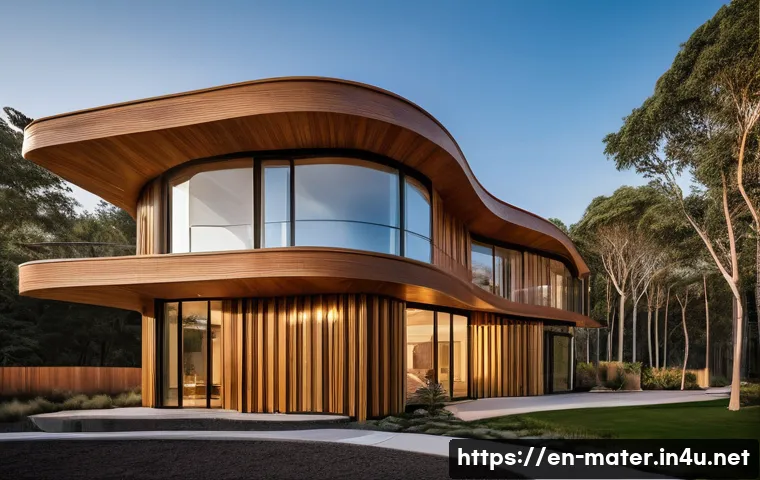
The ability to create complex geometries with relative ease is arguably one of the most transformative advantages of 3D printing in architecture. Traditional methods often struggle with curves, organic shapes, or highly intricate details, usually requiring costly and labor-intensive custom molds or fabrication. However, 3D printers simply follow digital instructions, layering material to form virtually any shape imaginable. This means architects can design buildings with flowing, non-linear forms, integrated decorative elements, and innovative structural components that would be incredibly difficult or even impossible using conventional techniques. I’ve seen fascinating designs for facades, ornamentation, and even entire building layouts that seem to defy gravity, all made possible by the precision and flexibility of additive manufacturing. It truly unlocks a new realm of architectural expression and allows for highly optimized designs that maximize both aesthetics and structural efficiency.
Customization and Personalization at Scale
Beyond complex shapes, 3D printing empowers an unprecedented level of customization and personalization. Imagine a housing development where every home is unique, tailored to the specific needs and aesthetic preferences of its occupants, yet built with the efficiency of mass production. This isn’t a distant dream anymore. Architects and designers can now easily adapt digital models to incorporate bespoke features, integrate personalized elements, or create unique layouts without incurring the exorbitant costs typically associated with custom builds. This flexibility extends from individual rooms to entire structural components, allowing for on-demand fabrication that truly reflects the individual. For me, this means moving away from cookie-cutter neighborhoods and towards more diverse, character-filled communities, where each building tells its own story. It’s about empowering choice and making personalized architecture accessible to more people, rather than just the elite.
Addressing Global Challenges: From Housing Crises to Off-World Dreams
It’s easy to get caught up in the “cool factor” of 3D printed buildings, but what truly resonates with me is its potential to tackle some of the world’s most pressing challenges. We’re facing a global affordable housing crisis, and traditional construction simply can’t keep up with demand in many regions. That’s where 3D printing steps in as a real game-changer. By drastically cutting down on costs and construction timelines, this technology offers a viable pathway to providing safe, durable, and affordable homes for millions. But it doesn’t stop there. The vision extends even further, to building vital infrastructure more efficiently, and believe it or not, even to conceptualizing settlements on other planets. This isn’t just about building faster; it’s about building smarter, more equitably, and with an eye toward a future that was once only imagined in science fiction novels.
Building Affordable Homes, Faster
The ability of 3D printing to accelerate construction and reduce costs makes it a powerful tool for addressing the affordable housing crisis, both domestically and abroad. I’ve seen projects, like those by ICON in Austin, Texas, which include units under the city’s affordable housing program, showcasing how this technology can make homeownership more accessible. In disaster-prone areas or regions with rapid population growth, the speed of 3D printing means communities can rebuild or expand housing much faster than ever before. Imagine building a resilient home in just a few days or weeks – that’s a lifeline for people in need. Companies like Habitat for Humanity are even partnering with 3D printing firms, demonstrating the real-world impact this technology can have on vulnerable populations. It’s not a perfect solution yet, but it’s a massive leap forward in making dignified housing a reality for more people.
Infrastructure and Beyond: The Martian Dream
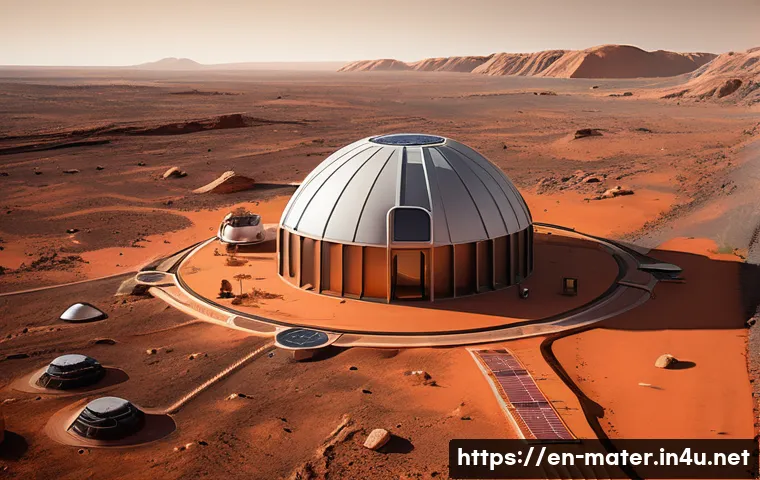
While homes are a primary focus, the impact of 3D printing extends far into infrastructure development. Think about the potential for fabricating bridges, tunnel linings, or even custom components for public spaces with greater efficiency and less waste. The precision and speed of additive manufacturing can streamline complex infrastructure projects, often critical for urban development and connectivity. But here’s where it gets truly mind-blowing: the long-term vision for 3D printing stretches beyond Earth. Researchers are actively exploring how this technology could be used to build settlements on the Moon or Mars, utilizing local regolith (soil and rock fragments) as building materials. The idea of printing habitats in an extraterrestrial environment, reducing the need to transport heavy materials from Earth, is not just a dream but an active area of research. It’s truly inspiring to see how this technology is pushing the boundaries of human habitation, from solving earthly housing shortages to enabling future space exploration.
The Road Ahead: Navigating the Obstacles and Forging New Paths
Now, as much as I’m an evangelist for 3D printing in construction, I’m also a realist. It’s not all smooth sailing, and there are definitely hurdles we need to overcome before this technology reaches its full, widespread potential. From the practicalities of material handling on-site to the complexities of regulatory frameworks, there’s a lot of groundwork still being laid. But what I find incredibly encouraging is the collaborative spirit within the industry – universities, startups, and established construction giants are all working together to find solutions. This isn’t a solo race; it’s a collective effort to refine processes, innovate materials, and build the infrastructure (pun intended!) for a new era of construction. It feels like we’re at a pivotal moment, where the challenges are clearly defined, and the resolve to tackle them is stronger than ever.
Material Challenges and Quality Control
One of the persistent challenges revolves around material selection and ensuring consistent quality. While we have amazing concrete and composite mixes, the range of compatible materials for large-scale, load-bearing structures is still somewhat limited compared to traditional construction. Ensuring these specialized materials meet rigorous structural and durability requirements is absolutely critical. I mean, nobody wants a house that’s going to fall apart, right? Maintaining uniformity and consistent quality across large-scale printed structures can be tricky, and variability in print quality or material properties could affect structural integrity over time. Plus, developing materials that cure quickly enough for rapid layering but remain workable during the printing process requires a delicate balance of chemical engineering. It’s a constant area of research, with new formulations being tested all the time to improve printability, buildability, and overall long-term performance.
Regulatory Landscapes and Scalability Hurdles
Another significant obstacle is the regulatory environment. Since 3D printing in construction is relatively new, many building codes and standards simply haven’t caught up. This can lead to permitting issues and uncertainty for developers. Who’s responsible if something goes wrong? Insurance providers can also be hesitant without clear precedents, which makes securing coverage a challenge. Beyond regulations, scaling up the technology for truly massive projects is still a work in progress. While we’ve seen impressive multi-story prototypes, deploying huge robotic printers on every job site comes with its own logistical and cost considerations. Initial investment in industrial-scale 3D printers can be substantial, making it harder for smaller firms to adopt the technology. However, progress is being made; for instance, Project Milestone in the Netherlands is actively working on two and three-story 3D printed homes, demonstrating the increasing complexity and scalability of these structures. It’s an exciting time, but one where clear guidelines and continued technological refinement are key.
Smart Buildings and Integrated Systems: The Future is Now
When I think about the future of 3D printing in construction, it’s not just about printing walls; it’s about building “smart” from the ground up. We’re already seeing incredible strides in integrating technology directly into the construction process and the final structures themselves. Imagine buildings that are not only rapidly constructed but are also inherently energy-efficient, with optimized insulation and integrated systems for everything from wiring to plumbing. This isn’t just a vision; it’s happening! The precision of 3D printing allows for channels and conduits to be designed and embedded directly within the walls as they are printed, streamlining the installation of utilities and reducing post-construction work. This holistic approach, where design and functionality are intertwined from the very first layer, is what truly defines the next generation of architectural innovation. I honestly believe this level of integration is going to redefine our expectations of what a building can be.
Embedding Utilities and Enhancing Efficiency
One of the coolest things about 3D printing construction is the potential to embed building services directly into the structure during the printing process. Think about it: instead of laboriously cutting channels for electrical wiring, plumbing pipes, or HVAC ducts after the walls are up, these pathways can be precisely designed and integrated as each layer is extruded. This not only saves an immense amount of time and labor but also leads to more efficient and aesthetically cleaner installations. Some designs are even incorporating optimized wall compositions to enhance insulation, which in turn reduces energy use and utility costs for occupants. It’s a holistic approach to building, where the intelligence of the structure is considered from its foundational layers, contributing to more energy-efficient and smarter homes right from the start. This level of precision and integration is something traditional methods just can’t easily replicate.
Robotics, AI, and the Connected Construction Site
The convergence of 3D printing with other cutting-edge technologies like robotics and artificial intelligence is truly paving the way for the connected construction site of the future. Robotic arms are becoming more agile, capable of not just extruding materials but also potentially assisting with other on-site tasks. Generative AI is playing a powerful role in optimizing designs for 3D printing, creating structures that are optimized for specific environments, materials, and performance criteria. This means more efficient use of materials and designs that are inherently stronger or better suited to their purpose. We’re talking about autonomous construction systems that can operate with minimal human intervention, ensuring precision and reducing human error. This future isn’t just about faster builds; it’s about creating intelligent, adaptive, and highly efficient buildings that are designed, constructed, and operated with a level of sophistication we’ve only dreamed of before. I’m personally excited to see how these integrated systems will transform urban landscapes and push the boundaries of architectural possibility.
Wrapping Things Up
Honestly, diving into the world of 3D printing in construction leaves me feeling incredibly optimistic! It’s more than just a technological marvel; it’s a genuine game-changer that promises to tackle everything from housing shortages to environmental concerns. We’ve seen how it empowers architects with unprecedented freedom and offers a greener, faster, and more cost-effective way to build. While there are definitely hurdles to clear, the momentum and innovation happening in this field are undeniable. I’m truly excited to see what amazing structures emerge next, and I hope you’re as thrilled as I am about the future this technology is building for us all!
Useful Insights to Keep in Mind
1. Innovation is Rapid: The field of 3D construction printing is advancing incredibly fast. New materials, faster printers, and more sophisticated software are being developed constantly, so staying updated is key.
2. Cost-Benefit Analysis: While initial investment in the technology can be high, the long-term savings in labor, materials, and construction time can make it a highly cost-effective solution for specific projects.
3. Sustainability Focus: Many projects prioritize eco-friendly materials and waste reduction, making 3D printed construction a strong option for sustainable building practices.
4. Design Freedom: Architects can explore complex, organic, and custom designs that are difficult or impossible with traditional methods, opening up new creative avenues.
5. Addressing Global Challenges: This technology holds immense potential for addressing affordable housing crises and even enabling extraterrestrial construction, proving its far-reaching impact.
Key Takeaways
At its heart, 3D printing is poised to revolutionize construction by delivering speed, cost efficiency, and remarkable design flexibility, all while pushing the boundaries of sustainability. It’s truly a transformative force, moving us towards a future where building is smarter, more accessible, and environmentally conscious. The journey ahead involves refining materials and navigating regulations, but the collective drive for innovation ensures that this exciting technology will continue to shape our world, layer by layer.
Frequently Asked Questions (FAQ) 📖
Q: What materials are revolutionizing 3D printed homes, and are they really sustainable?
A: Oh, this is such a fantastic question because it gets right to the core of why I’m so passionate about this! When we first heard about 3D printing, many of us probably pictured plastic widgets, right?
But for construction, we’re talking about seriously robust stuff. The game-changer is often a specialized concrete mix. Think about it: a proprietary cement-based mixture, usually enhanced with additives to get that perfect flow for printing and then to cure super fast.
It’s what companies like ICON use with their “Lavacrete” material, for example, which is designed to adapt to environmental factors. But it doesn’t stop there!
What’s truly exciting me right now, looking at the advancements in late 2024 and heading into 2025, is the push for sustainability. We’re seeing innovations like geopolymers and even bioplastics, which are made from renewable sources like corn starch or sugarcane.
Some brilliant minds are even experimenting with natural materials like wood composites (sawdust, cellulose fibers), bamboo, hemp, and even local soil or clay, making for some seriously eco-friendly structures.
Researchers at places like the University of Maine are developing single-piece floor panels from biologically based materials like polylactic acid (PLA) and repurposed wood flour – and guess what?
They’re as strong as traditional steel-concrete versions! My personal take is that the move towards integrating recycled materials, like construction and demolition waste or even ground glass into printable concrete, is absolutely monumental.
It’s not just about building; it’s about building smarter, with less waste, and being kinder to our planet. It truly feels like we’re moving towards a future where our homes can almost “grow” from the earth, or at least from its recycled remnants, which is just incredible.
Q: How does 3D construction printing truly impact the speed and cost of building compared to traditional methods?
A: This is where the rubber meets the road, isn’t it? We all want to know the tangible benefits. From what I’ve seen, and the latest reports confirm this for 2025, the impact on speed is absolutely jaw-dropping.
We’re talking about printing the shell of a house in a matter of days, not weeks or months. Imagine that! Companies like ICON have even talked about churning out multiple homes a week with their printers running consistently.
This kind of speed isn’t just impressive; it’s transformative, especially when we consider addressing urgent housing needs or rebuilding after natural disasters.
Now, for the cost, it’s a compelling story too. Industry analysis from late 2024 shows that 3D-printed house construction can slash building costs by 20-50% compared to traditional methods.
A 1,500-square-foot 3D-printed home might typically cost around $140,000-$180,000, and that’s often 15-40% faster and requires up to 70% less labor. The big savings come from a few key areas: significantly reduced labor requirements (often 50-80% less!), minimal material waste because the printer uses only what’s needed (up to 30-60% less waste), and faster project completion which means less overhead.
While the industrial-scale printers themselves are a big initial investment, the long-term savings are clear. One company, Azure Printed Homes, has reportedly seen projects come in 25-30% less expensive.
For me, the personal satisfaction of knowing that this tech can make homeownership more accessible, reducing the financial burden for so many, is truly motivating.
It’s not just about cold hard numbers; it’s about creating opportunities.
Q: Beyond housing, what are some of the most exciting or surprising applications of 3D construction printing we might see soon?
A: Okay, so if you thought homes were cool, just wait until you hear about what else is brewing! The beauty of 3D construction printing is its incredible design flexibility, letting architects and engineers dream up things that were once impossible.
While housing is a huge focus (and rightly so, with global housing shortages), the applications are truly expanding. We’re already seeing bridges being 3D printed, which is just wild when you think about it!
Beyond that, imagine entire neighborhoods of unique, tailor-made homes popping up. What I find particularly fascinating are the infrastructure projects: think 3D-printed data centers, warehouses, water tanks, or even seawalls.
The US Department of Defense actually unveiled 3D-printed barracks in March 2025 at Fort Bliss for soldiers, designed to be adaptable and durable. And honestly, the sky isn’t even the limit anymore!
Companies like ICON, in collaboration with NASA, are heavily researching how to 3D print habitats on the Moon and eventually Mars. They’re exploring ways to use lunar regolith – basically moon dust – as the primary building material, potentially melting and solidifying it with lasers.
I mean, building on the moon? That blows my mind every time I think about it. The idea of using in-situ resources to build off-world settlements, reducing the need to haul materials from Earth, is not just innovative; it’s a giant leap for humanity.
These aren’t just futuristic fantasies; they’re projects actively being developed right now, and it’s truly thrilling to witness this architectural and engineering revolution unfold before our eyes.