You know, it feels like everywhere you look these days, we’re all trying to make more conscious choices, right? From what we eat to how we power our homes, sustainability is finally getting the spotlight it deserves.
But sometimes, it’s the little things that trip us up, isn’t it? Like adhesives! For ages, glues and sticky stuff were just… well, sticky stuff, full of chemicals and mystery ingredients.
I remember tackling a big upcycling project once, feeling all proud, only to realize the strong smell lingering for days was probably doing more harm than good.
That got me thinking: could there really be eco-friendly options that work just as well, without compromising on performance or our planet? It turns out, the world of adhesives is changing fast, and for the better!
With incredible innovations in bio-based materials and non-toxic formulations, there’s a whole new landscape of greener glues emerging. We’re moving beyond just “less bad” to genuinely sustainable solutions that align with a circular economy.
But with so many options popping up – some truly revolutionary, others just clever marketing – it can be incredibly tough to figure out what’s genuinely good and what’s just greenwashing.
As someone who’s constantly experimenting with DIY, crafts, and home improvements, I’ve spent a fair bit of time sifting through the noise, trying to find those true gems.
You deserve to know which eco-friendly adhesives actually deliver on their promises, keeping your projects strong and your conscience clear. Let’s dive in and uncover the best choices together.
Discovering the “Why” Behind Eco-Adhesives
You know, it wasn’t too long ago that I’d just grab whatever glue was cheapest or seemed strongest off the shelf, without a second thought. My crafting space used to smell pretty intense after a big project, and I’d often get a headache, dismissing it as just part of the creative process. But honestly, it bothered me. That lingering chemical scent, the vague feeling of “ick” about what I was actually putting into my projects and, by extension, into my home. It turns out, that uneasy feeling was completely justified. Traditional adhesives are often packed with volatile organic compounds (VOCs) and petroleum-based ingredients that aren’t just unpleasant to smell; they’re actively harmful to our indoor air quality and, let’s face it, pretty terrible for the planet in the long run. We’re talking about components that contribute to smog, ozone depletion, and are derived from non-renewable resources, creating a truly concerning environmental footprint from production to disposal. My own experience with that strong, lingering odor after a furniture upcycling project really hammered home the realization that while I was being “eco-friendly” by reusing, I was still introducing harmful chemicals. It felt like a contradiction, and that’s when I started my deep dive into greener alternatives.
The Hidden Costs of Conventional Glues
Think about it: every time you squeeze out that regular super glue or spread industrial-strength adhesive, you’re not just creating a bond; you’re often releasing a cocktail of chemicals into your immediate environment. I remember one time, trying to fix a beloved ceramic vase, and the fumes were so potent they made my eyes water. It wasn’t just discomfort; it was a clear sign that what I was using wasn’t exactly benign. Many conventional glues contain formaldehyde, phthalates, and other nasties that have been linked to respiratory issues, skin irritation, and even more serious health concerns over prolonged exposure. And beyond our personal health, the environmental impact is significant. The production of these synthetic glues consumes vast amounts of fossil fuels, and their breakdown in landfills can release harmful microplastics and chemicals back into our ecosystems. It’s a full-circle problem, from the extraction of raw materials to the disposal of waste, all contributing to a cycle that’s simply unsustainable. Understanding these hidden costs made me question every tube and bottle in my workshop, pushing me to find better solutions.
Shifting Towards a Healthier Home and Planet
Making the switch to eco-friendly adhesives isn’t just about feeling a little bit better; it’s about making a tangible difference for your health and the health of the planet. For me, the most immediate benefit was the improved air quality in my craft room. No more headaches, no more lingering chemical smells – just the scent of creativity! But it goes much deeper than that. By choosing glues made from plant-based materials, natural resins, or with significantly reduced VOCs, you’re actively supporting industries that prioritize sustainable sourcing and production methods. You’re reducing your personal exposure to harmful chemicals, which is a huge win for your well-being, especially if you spend a lot of time on DIY projects like I do. Moreover, many eco-adhesives are biodegradable or compostable, meaning they won’t sit in a landfill for centuries, leaching toxins. It feels incredibly empowering to know that even something as small as the glue I choose can contribute to a healthier home environment and a more circular economy. It’s about aligning my daily actions with my values, and honestly, that’s a pretty great feeling.
Navigating the Green Glue Aisles: Labels & Lingo
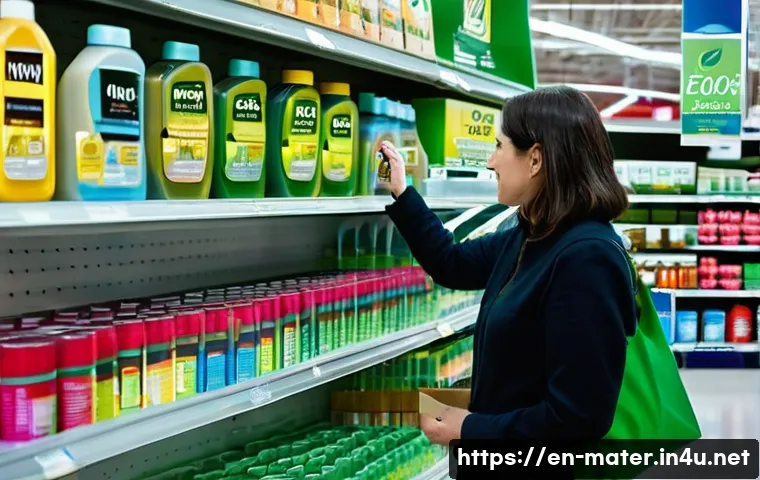
Stepping into the world of eco-friendly adhesives can feel a bit like learning a new language. You’ll see terms like “non-toxic,” “low VOC,” “plant-based,” and “biodegradable” plastered everywhere, and it can be super overwhelming trying to figure out what actually means something and what’s just clever marketing. I’ve definitely fallen for a few “greenwashed” products in my time, thinking I was making a good choice only to later realize the claims were pretty flimsy. It’s a frustrating experience, especially when you’re genuinely trying to do the right thing. My advice? Don’t just take a label at face value. Dig a little deeper, because understanding the nuances of these terms is absolutely crucial to making informed decisions. Some companies are truly committed to sustainability, investing in research and transparent practices, while others might just be jumping on the bandwagon with minimal effort. It’s a jungle out there, but with a bit of knowledge, you can become a savvy green glue shopper, spotting the genuine articles from the pretenders.
Understanding Certifications and Buzzwords
When you see a label screaming “ECO-FRIENDLY!”, your first instinct might be to grab it. But hold on a minute! That’s where certifications come in handy. Look for third-party certifications like USDA Certified BioPreferred, which indicates a product has a certain percentage of bio-based content, or GreenGuard Gold, meaning it meets stringent chemical emission standards. These aren’t just random badges; they’re stamps of approval from independent organizations that have done the homework for us. “Non-toxic” can be a tricky one – it often means it’s non-toxic *if ingested in small amounts*, but might still have fumes. Always check for low or zero VOC (Volatile Organic Compounds) ratings; these are key for indoor air quality. “Plant-based” is fantastic, but inquire about the specific plant sources and how sustainably they’re harvested. “Biodegradable” sounds amazing, but does it degrade in a home compost, or only in industrial facilities? These distinctions matter a lot, and understanding them helps cut through the noise and identify products that genuinely align with your values and project needs.
Decoding Ingredient Lists
Honestly, reading ingredient lists on adhesives can feel like deciphering ancient hieroglyphs sometimes, but it’s one of the most powerful tools you have. My personal rule of thumb? If I can’t pronounce half the ingredients, it’s probably not as eco-friendly as I’d like it to be. Look for ingredients derived from natural sources, such as starches (corn, potato), proteins (casein, soy), natural rubber, or tree resins. These are usually much safer bets. Conversely, be wary of long lists of unpronounceable chemicals, especially those ending in “-ate” or starting with “poly-“. Watch out for ingredients like formaldehyde, toluene, xylene, and phthalates, which are common culprits in conventional glues. Sometimes, brands will list “proprietary blend,” which is a red flag for me because it usually means they’re not being transparent about potentially questionable ingredients. A truly eco-conscious brand will typically be proud to list its natural, safe components. Learning to spot these red flags and green lights empowers you to make genuinely better choices for your health and the environment, rather than just relying on catchy marketing phrases.
My Personal Favorites: Adhesives That Actually Work (and are Green!)
After countless hours of research, trial, and error (and more than a few sticky mishaps!), I’ve finally zeroed in on some fantastic eco-friendly adhesives that actually live up to their promises. It’s not just about finding a “green” option; it’s about finding one that performs just as well, if not better, than its conventional counterparts. I’ve been through phases of trying everything from homemade flour paste – great for kids’ crafts, not so much for a lasting bond – to expensive “eco” brands that just didn’t hold up. But through it all, I’ve discovered some true gems that I now swear by for everything from intricate paper crafts to robust furniture repairs. The key, I’ve found, is understanding what each type is best for, because just like traditional glues, there’s no single eco-adhesive that’s perfect for every single job. It’s been an exciting journey of discovery, and I’m thrilled to share my personal top picks and why they’ve earned a permanent spot in my eco-conscious toolkit. You deserve to know which ones will truly deliver a strong, lasting, and guilt-free bond.
Natural Wonders: Plant-Based & Water-Soluble Options
For lighter projects, especially paper, fabric, and some wood applications, natural, plant-based, and water-soluble glues are my absolute go-to. I’ve had incredible success with simple corn starch glues for journaling and scrapbooking – they’re incredibly gentle, totally non-toxic, and dry clear. For slightly stronger bonds on wood and porous materials, casein glue, which is milk-protein based, has been a revelation. It dries hard and strong, perfect for small woodworking repairs. I also love using natural rubber latex (responsibly sourced, of course!) for fabric projects and even creating temporary holds because it’s flexible and often peelable once dry. It’s important to remember that “natural” doesn’t mean “weak.” Many of these glues have been used for centuries and offer fantastic performance for their intended applications. The best part? Cleanup is usually a breeze with just water, which is a huge bonus in my book. No more harsh solvents or sticky residues on my hands or workbench! It truly makes the crafting and DIY process so much more enjoyable and worry-free.
Innovators in Sustainability: Advanced Formulations
While the natural, traditional glues are great, I’m also incredibly excited about the newer, high-performance eco-friendly options emerging. These are the adhesives that truly bridge the gap, offering incredible strength and durability without compromising on environmental values. I’ve recently been experimenting with certain epoxy resins that incorporate bio-based components, reducing their petroleum content significantly. They’re fantastic for heavy-duty applications, like repairing structural elements or creating a super strong, waterproof bond. There are also some really impressive soy-based construction adhesives out there that I’ve used for minor home improvement projects, and they hold up beautifully. These advanced formulations often have very low VOCs and are designed with their entire lifecycle in mind, from sustainable sourcing to easier disposal. It’s clear that innovation in this space is booming, and manufacturers are finally realizing that consumers want high performance *and* eco-consciousness. It’s a win-win, allowing us to tackle bigger, more challenging projects with a clear conscience. The performance gap is closing, and it’s truly exciting to witness and be a part of.
| Adhesive Type | Primary Composition | Best For | Key Eco Benefit |
|---|---|---|---|
| Plant-Based (Starch, Dextrin) | Corn, wheat, potato starch | Paper, light cardstock, kids’ crafts | Biodegradable, non-toxic, water-soluble cleanup |
| Casein Glue | Milk protein | Wood, porous materials, small repairs | Natural, strong bond, biodegradable |
| Natural Rubber Latex | Tree sap (responsibly sourced) | Fabric, flexible bonds, temporary holds | Renewable resource, flexible, often water-based |
| Bio-Based Epoxy/Resins | Plant oils, recycled content | Heavy-duty repairs, structural bonding, waterproof needs | Reduced petroleum, high performance, durable |
| Soy-Based Adhesives | Soybean proteins | Wood, construction, panels | Renewable resource, low VOC, strong bond |
Putting Them to the Test: Real-World Applications
It’s one thing to read about an eco-friendly adhesive on a label, and another entirely to see how it performs in the trenches of a real-world project. I’m a firm believer that the true measure of any product is its practical application, and I’ve certainly put these greener glues through their paces. From intricate crafting sessions with my niece to fixing a wobbly leg on an antique chair, I’ve experimented with a wide range of tasks to really understand their strengths and limitations. What I’ve learned is that while they might require a slightly different approach than the glues we’re used to, their effectiveness can be truly impressive. It’s all about matching the right adhesive to the right job, and sometimes, a little patience goes a long way. This hands-on experience has completely transformed my perspective, proving that “eco-friendly” doesn’t mean sacrificing quality or durability. In fact, in many cases, I’ve found these alternatives to be just as reliable, if not more so, for the specific tasks they’re designed for.
Crafting & DIY: From Paper to Furniture Upcycles
For my crafting endeavors, particularly with paper and lighter fabrics, water-soluble plant-based glues have become indispensable. I used a rice glue recently for a delicate origami project, and it held beautifully without warping the paper, something harsher glues often do. For larger scrapbooking layouts, a dextrin-based glue gives me ample working time and dries clear and flat. When it came to upcycling an old wooden side table, I opted for a casein-based wood glue to re-secure some loose joints. It cured incredibly strong, and I felt great knowing I wasn’t off-gassing nasty chemicals into my living room. I even used a natural rubber latex adhesive to attach some felt details to a homemade toy, and its flexibility was perfect for the job. The key here is understanding that for crafting and DIY, where precise, clean, and often reversible bonds are desired, the lighter, natural options shine. They allow for creativity without the chemical baggage, and that, for me, makes the entire process so much more enjoyable and truly sustainable.
Around the House: Everyday Fixes with a Conscience
It’s not just about big projects; eco-friendly adhesives are fantastic for those everyday household fixes too. I’ve used soy-based construction adhesives for everything from re-attaching a loose kickplate in the kitchen to securing a small piece of trim that had come undone. The initial grab is excellent, and the bond feels incredibly secure once cured. For minor ceramic repairs, like a chipped mug, I’ve found certain low-VOC, bio-based epoxies to be incredibly effective. They create a strong, waterproof seal, and I don’t have to worry about the lingering chemical smell that often accompanies traditional epoxies. I even used a natural resin-based adhesive to fix a torn book spine, and it worked like a charm, preserving my beloved novel without introducing harsh chemicals. The beauty of these options for home use is twofold: you get the repair done effectively, and you maintain a healthier indoor environment for your family and pets. It’s about making conscious choices even for the small stuff, demonstrating that you can keep your home functional and beautiful while staying true to your green values.
Troubleshooting & Tips: Making Your Green Switch Smooth
Making the switch to eco-friendly adhesives can sometimes feel like a bit of a learning curve, and I totally get it. I’ve definitely had my moments of frustration, wondering why a certain glue wasn’t setting as quickly or holding as strongly as I expected. But what I’ve learned through all these trials is that often, it’s not the glue itself that’s the issue; it’s about adapting our techniques slightly to get the best out of these amazing products. These aren’t your grandpa’s super glues, and they sometimes require a different kind of patience and preparation. Think of it as learning a new recipe – you might need to adjust cooking times or ingredients slightly for the best result. Once you get the hang of these minor adjustments, you’ll find that working with eco-adhesives becomes second nature, and the results are just as reliable, if not more so, than what you’re used to. It’s all about understanding their unique characteristics and giving them the little bit of extra care they sometimes need to shine.
Prep is Key: Maximizing Adhesion for Eco-Friendly Glues
If there’s one golden rule for working with eco-friendly glues, it’s this: preparation, preparation, preparation! I cannot stress enough how vital a clean, dry, and properly prepared surface is. Unlike some traditional glues that might forgive a bit of dust or grease, many greener options really thrive on pristine conditions. I always make sure to thoroughly clean surfaces with rubbing alcohol or a natural degreaser, then let them dry completely before applying any adhesive. For porous materials like wood, a light sanding can create a better “tooth” for the glue to grab onto. And here’s a big one: understanding cure times. Many eco-adhesives, especially water-based ones, need a little more time to fully set and achieve maximum strength. Don’t rush it! Proper clamping or pressure during the curing process is also incredibly important. I’ve found that giving my projects ample time to cure, sometimes even overnight, makes all the difference in achieving a super strong and lasting bond. Patience truly is a virtue here, and it pays off with fantastic results.
Storage and Shelf Life: Keeping Your Green Glues Fresh
Just like organic produce, some eco-friendly adhesives, especially those made from natural ingredients, can be a bit more sensitive to storage conditions than their chemical-laden counterparts. I’ve definitely learned this the hard way, opening a tube only to find it had hardened or separated prematurely. To avoid this heartache, always check the manufacturer’s recommendations for storage. Generally, keeping them in a cool, dry place away from direct sunlight is a good rule of thumb. Some might even benefit from being stored in the refrigerator to extend their shelf life, particularly those based on natural proteins or starches. Make sure the caps are tightly sealed after each use to prevent air exposure, which can cause premature drying or degradation. It’s a small extra step, but it makes a huge difference in ensuring your eco-adhesives remain fresh and effective for as long as possible. A little bit of care in storage can save you from wasted product and frustration down the line.
Cleanup Made Easy: Post-Project Pointers
One of the absolute joys of working with many eco-friendly adhesives is the incredibly easy cleanup! I still remember the days of needing harsh chemical solvents, scraping tools, and a lot of elbow grease to get rid of sticky residues. With most water-based or natural glues, a damp cloth or a bit of warm water is usually all it takes to wipe away any excess before it dries. Even after drying, some can be re-activated with water for easier removal, which is fantastic for those accidental drips or misplaced applications. For the more robust bio-based epoxies or construction glues, while they might require a bit more effort, they generally still clean up much more readily and with less toxic solvents than their traditional counterparts. This not only saves you time and frustration but also significantly reduces the amount of harsh chemicals you’re using and disposing of, making your entire DIY process cleaner and greener from start to finish. It’s a small detail, but trust me, it makes a huge difference to your hands and your workshop!
The Economic & Environmental Payoff: Is It Worth It?
Let’s be real: when you first start looking at eco-friendly products, there’s often that little voice in your head wondering, “Is this going to cost me more?” And it’s a valid question, especially when you’re trying to be mindful of your budget. I’ve definitely had moments where I’ve hesitated at the checkout, comparing the price tag of a conventional glue to its greener alternative. It’s true that sometimes, the upfront cost of eco-friendly adhesives can be a tad higher. This often reflects the investment in sustainable sourcing, responsible manufacturing processes, and sometimes, the smaller scale of production compared to industrial chemical giants. However, what I’ve consistently found is that this initial investment often comes with significant long-term value, not just for your wallet, but for your health and the planet. It’s about looking beyond the immediate price tag and considering the broader picture, the true cost and benefits that extend far beyond a single purchase.
Initial Investment vs. Long-Term Value
While some eco-friendly adhesives might have a slightly higher price point per tube or bottle, it’s crucial to consider the full value proposition. For starters, you’re investing in your health. Avoiding toxic fumes and exposure to harmful chemicals can lead to fewer headaches, better respiratory health, and a generally safer working environment. How do you put a price on that? Then there’s the environmental benefit. By choosing sustainable options, you’re directly reducing your carbon footprint, minimizing waste, and supporting companies that are actively working towards a more sustainable future. This contributes to a healthier planet for everyone. Furthermore, many of these glues are incredibly effective, meaning your projects are built to last, reducing the need for re-repairs and additional material purchases down the line. I’ve personally found that the peace of mind knowing I’m not bringing harmful substances into my home or contributing to pollution is worth every extra penny. It’s an investment in a better future, both for you and for the world around us.
The Ripple Effect: Supporting Sustainable Choices
Every time we choose an eco-friendly product, no matter how small, we’re sending a powerful message to manufacturers and the market as a whole. It’s a message that says, “We value sustainability, and we’re willing to put our money where our values are.” This consumer demand creates a fantastic ripple effect. It encourages more companies to invest in research and development for greener alternatives, driving innovation and ultimately making these products more accessible and often more affordable over time. Think about how much the organic food market has grown – it all started with conscious consumers demanding better options. By choosing eco-adhesives, you’re not just making a personal choice; you’re contributing to a larger movement, helping to accelerate the shift towards a more sustainable economy. It’s incredibly empowering to know that your individual purchasing decisions have such a collective impact, pushing the industry forward and creating a future where eco-friendly options are the norm, not the exception. Be part of that positive change!
Looking Ahead: What’s Next in Sustainable Stickiness
The world of eco-friendly adhesives isn’t static; it’s a rapidly evolving landscape, full of exciting innovations and groundbreaking research. It’s truly inspiring to see how scientists and companies are pushing the boundaries, finding new ways to create powerful, reliable bonds using materials and methods that are radically kinder to our planet. Just when I think I’ve seen it all, something new and brilliant emerges, challenging my perceptions and expanding the possibilities for sustainable crafting and DIY. This constant evolution is exactly what we need to meet the growing demand for truly green solutions across all industries. From biomimicry – taking inspiration from nature’s own sticky solutions – to advanced material science, the future of adhesives is looking incredibly bright, and wonderfully sustainable. It’s a testament to human ingenuity when focused on a collective good, and honestly, it makes me so hopeful for what’s to come.
Emerging Technologies and Materials
Get ready, because some of the upcoming innovations in eco-adhesives sound like something straight out of a sci-fi movie! Researchers are exploring incredible concepts, like mushroom-based glues that utilize fungal mycelium to create incredibly strong, biodegradable bonds. Imagine fixing your broken vase with a glue derived from mushrooms! Then there’s the fascinating field of mussel-inspired adhesives. Mussels are masters of sticking to surfaces underwater, and scientists are replicating their unique proteins to create incredibly powerful, non-toxic, and water-resistant glues. I’ve also read about adhesives derived from algae and other ocean biomass, tapping into a vast, renewable resource. These aren’t just minor tweaks; these are truly revolutionary approaches that could completely redefine how we think about “sticky.” It’s an exciting time to be interested in sustainable materials, and I’m personally thrilled to see these cutting-edge technologies move from the lab into commercially available products. The possibilities for truly regenerative materials are endless!
Your Role in the Green Adhesive Revolution
It’s easy to feel like individual choices don’t make a huge difference, but when it comes to the green adhesive revolution, every single one of us plays a vital role. By continuing to choose eco-friendly glues, even for small projects, you’re sending a clear signal to the market. Share your experiences, good and bad, with friends, family, and online communities. Talk about what works, what doesn’t, and what you’d like to see more of. Demand transparency from brands and ask tough questions about their ingredients and sourcing. The more we collectively push for sustainable options, the faster innovation will occur, and the more accessible these products will become. So, keep experimenting, keep advocating, and most importantly, keep sticking with a conscience! Your small actions are part of a much larger, incredibly impactful movement that’s shaping a healthier, more sustainable future for all of us. Let’s keep this sticky revolution going strong!
Closing Thoughts
It’s been quite a journey, hasn’t it? From those initial moments of unease with traditional glues to a full embrace of eco-friendly alternatives, I truly believe that making this switch is one of the most impactful, yet often overlooked, ways we can live more sustainably.
My hope is that sharing my experiences helps you feel more confident in exploring these greener options, making it less daunting and more exciting. It’s about feeling good not just about your finished project, but about every single step of the creative process, knowing you’re making choices that benefit both your personal well-being and our precious planet.
Honestly, it’s a truly wonderful feeling to craft and create with a perfectly clear conscience, knowing you’re part of a positive change.
Useful Information to Know
1. When you’re standing in the aisle, ready to pick out an eco-adhesive, remember that a little label savvy goes a long, long way. Don’t just grab the first product that screams “green” – that’s a common pitfall! Instead, take a genuine moment to really inspect the packaging for robust third-party certifications like USDA BioPreferred, which signals bio-based content, or GreenGuard Gold, which assures low chemical emissions and better indoor air quality. These aren’t just pretty stickers; they’re genuine indicators that the product has met rigorous, independent standards for environmental impact or health. Also, take a close look at the ingredient list. My personal rule of thumb is: the simpler and more recognizable the ingredients, the better. If you see a lot of long, unpronounceable chemical names, or vague “proprietary blends,” it’s probably best to put it back on the shelf and explore other options. Prioritize low or zero VOCs (Volatile Organic Compounds) for your indoor air quality – your lungs will thank you!
2. Patience isn’t just a virtue when working with eco-friendly glues; it’s practically a requirement for success. Many of these natural and bio-based adhesives need a bit more time to fully cure and achieve their absolute maximum bond strength compared to their conventional, fast-drying counterparts. I’ve definitely made the mistake of rushing a project, pulling clamps too early, only to find the bond wasn’t as strong or durable as it could have been. Always, always allow ample drying time, often extending beyond what you might be accustomed to with traditional glues. Seriously, read the manufacturer’s instructions for cure times – they’re there for a reason! Applying proper clamping or maintaining consistent pressure during this critical period can also dramatically improve the final result, ensuring a truly lasting and reliable hold for your hard work.
3. Proper surface preparation is the unsung hero of successful adhesion, especially when you’re working with eco-friendly options. Think of it like painting a masterpiece: if the canvas isn’t impeccably clean and smooth, your artwork won’t truly shine, right? The same goes for glue. Before applying any green glue, ensure your surfaces are impeccably clean, thoroughly dry, and completely free from any dust, grime, grease, or old adhesive residue. A quick wipe-down with rubbing alcohol or a natural degreaser, followed by thorough drying, can make a world of difference in the bond quality. For porous materials like wood, a light sanding can create microscopic abrasions – or a “tooth” – that gives the glue a much better surface to grip onto. This meticulous prep work ensures optimal contact and significantly enhances the bond strength, preventing frustrating failures and re-dos down the line.
4. Don’t underestimate the profound power of your choices in shaping the market and driving change. Every single time you consciously opt for an eco-friendly adhesive, you’re not just making a purchase; you’re casting a powerful vote for sustainability. This collective consumer demand sends an unmistakable message to manufacturers that there’s a real, growing hunger for greener products. It actively encourages them to invest more heavily in crucial research and development, to innovate new solutions, and to scale up production of sustainable alternatives. This, in turn, can lead to increased accessibility for everyone and, eventually, more competitive pricing as these products become mainstream. Your individual purchasing decisions create a fantastic ripple effect, contributing to a much larger movement that pushes entire industries towards more responsible and environmentally conscious practices. So, keep choosing wisely – your impact is genuinely far greater than you might realize!
5. Storage isn’t the most glamorous or exciting part of DIY, but it’s absolutely crucial for maximizing the life and sustained effectiveness of your eco-adhesives. Because many of these glues are made from natural, often more delicate ingredients, they can be much more sensitive to temperature fluctuations, humidity, and air exposure than their chemical-laden counterparts. Always ensure the caps are sealed tightly after each and every use to prevent drying out, premature hardening, or degradation of the product. Store them in a cool, dry place, consistently away from direct sunlight, extreme heat, or freezing temperatures. For some, especially those with natural proteins or starches, refrigerating them might even extend their shelf life considerably, though always double-check the manufacturer’s specific recommendations on the packaging. A little bit of proactive care in storage will save you from frustratingly wasted product and ensure your eco-adhesives are fresh and ready to perform beautifully when you need them most.
Key Takeaways
Embracing eco-adhesives is a powerful step towards a healthier home and planet. Always make it a priority to check labels for trusted certifications and look for low or zero VOC content to ensure a safer environment. Remember that patience with cure times and meticulous surface preparation are your best friends for achieving strong, lasting bonds. By choosing green options, you’re not just making a purchase; you’re actively supporting a sustainable market and inspiring further innovation. So, keep experimenting, keep learning, and most importantly, keep sticking with a clear, eco-conscious conscience – every choice makes a difference!
Frequently Asked Questions (FAQ) 📖
Q: What exactly makes an adhesive “eco-friendly” anyway, and how do I spot the real deal?
A: That’s such a fantastic question, and honestly, it’s one I wrestled with for ages! You know, it’s not always as simple as a “green” label on the package.
For me, an adhesive truly earns its “eco-friendly” stripes when it ticks a few key boxes. First off, it’s all about the ingredients. We’re talking about glues made from natural, renewable resources like plant-based starches, natural latex, or even milk proteins, rather than petroleum-derived plastics and harsh chemicals.
When I started digging, I was amazed to find how many innovative companies are using things like potato starch or soy to create powerful bonds! Another huge factor is biodegradability or compostability.
What happens to the glue once your project is done, or if it ends up in a landfill? The best eco-friendly options break down naturally without leaving behind toxic residues.
And then there’s the whole lifecycle – how was it manufactured? Was it done with less energy, less water, and fewer harmful emissions? Did they use recycled packaging?
When I’m shopping, I always look for certifications from trusted third-party organizations like Green Seal or USDA BioPreferred. These aren’t just pretty labels; they mean the product has gone through rigorous testing to meet specific environmental standards.
My rule of thumb? If they’re vague about what’s inside, or if it just says “natural ingredients” without specifying, I usually steer clear. Transparency is key!
Q: Okay, but do these eco-friendly glues actually work? I’m worried about my projects falling apart!
A: Oh, trust me, I completely get that hesitation! I’ve been there, staring at a bottle of “natural” glue, wondering if my carefully crafted project was going to collapse in a week.
For a long time, there was this perception that “eco-friendly” meant “less effective,” and honestly, some early versions of these glues might have reinforced that idea.
But let me tell you, things have changed dramatically! I’ve personally used bio-based wood glues that hold just as strong, if not stronger, than their traditional counterparts.
For paper crafts, I’ve found natural rubber cement and plant-based glues that deliver excellent, long-lasting adhesion without the nasty fumes. The key is knowing what you’re gluing and choosing the right eco-friendly adhesive for the job.
You wouldn’t use a hot glue gun for a structural wood joint, right? It’s the same principle. For heavy-duty tasks, you’ll want to look for phrases like “high-strength,” “industrial-grade bio-adhesive,” or glues specifically designed for the material you’re working with, whether it’s fabric, wood, or ceramics.
I even tested an eco-friendly fabric glue recently on some upcycled denim, and it’s held up beautifully through multiple washes. My advice? Don’t be afraid to experiment a little, maybe on a test piece first, and read reviews from other makers.
You’ll be pleasantly surprised by their performance, I promise!
Q: Where can I even find reliable eco-friendly adhesives, and what brands should I keep an eye out for?
A: Finding these amazing greener glues has become so much easier, which is fantastic news for all of us conscious crafters and DIYers! My go-to starting points are usually online eco-friendly product retailers or specialized craft and hardware stores that emphasize sustainable options.
You might even find them popping up in larger mainstream stores as demand grows, so always check their “green” or “natural living” sections. When I’m browsing online, I often search for terms like “non-toxic glue,” “bio-based adhesive,” “VOC-free glue,” or “sustainable craft adhesive.” As for specific brands that have impressed me?
Elmer’s, believe it or not, has an “EcoGlue” line that’s plant-based and works great for paper and light crafts. For more robust projects, I’ve had excellent experiences with brands like Titebond, which offers some fantastic professional-grade, water-based wood glues that are much lower in VOCs.
Also keep an eye out for smaller, dedicated eco-friendly adhesive companies – they often pop up with truly innovative products. They might not be household names yet, but a quick online search for “sustainable adhesive brands” will often lead you to some real gems.
Don’t be shy about checking out the brand’s website too; truly sustainable companies are usually very proud to share their ingredient lists, sourcing practices, and environmental certifications.
It’s all about doing a little detective work, and believe me, it’s totally worth it for the peace of mind!